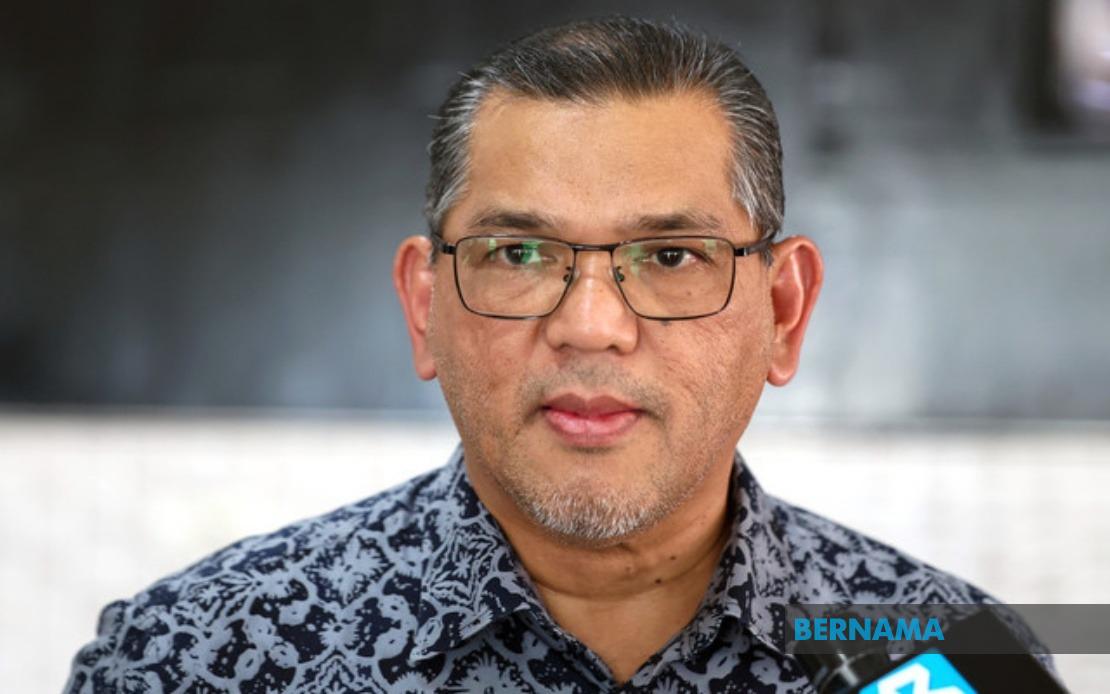
The Sabah Youth Entrepreneur Scheme (SYABAS) has emerged as a substantial economic empowerment initiative for the state's younger generation, with figures presented to the State Legislative Assembly revealing that 6,951 young entrepreneurs have benefited from RM21 million in funding since the scheme's establishment in 2022. The broad reach of the programme underscores a comprehensive approach to addressing youth unemployment and underemployment in Malaysian Borneo, where economic diversification beyond traditional sectors remains a pressing policy objective. Datuk Nizam Abu Bakar Titingan, who holds the portfolio for Youth, Sports Development and Creative Economy, highlighted the tangible outcomes emerging from this investment during parliamentary proceedings, pointing to success stories that demonstrate the programme's capacity to generate viable commercial enterprises.
The sectoral diversity of SYABAS beneficiaries reflects a deliberate effort to nurture entrepreneurship across multiple economic domains. Recipients operate hydroponic vegetable farming operations, artisanal bakeries producing bread and confectionery products, and cosmetics manufacturing ventures, among other business categories. This spread across primary production, food manufacturing, and personal care industries suggests that the scheme's design encourages applicants from varied backgrounds rather than concentrating support within a single sector. The inclusion of 64 young entrepreneurs specifically within the Nabawan state constituency during the questioning period indicates that the programme reaches beyond urban centres to support rural and semi-rural business development, a critical consideration for states like Sabah where geographic dispersion and infrastructure constraints often limit economic participation.
What distinguishes SYABAS from straightforward capital injection schemes is its embedded support infrastructure designed to sustain entrepreneurial success beyond the initial funding allocation. The ministry maintains detailed monitoring systems and provides ongoing mentorship through coaching, capacity building, and regular assessment mechanisms. This hands-on approach recognises that capital alone frequently proves insufficient for business sustainability, particularly among first-time entrepreneurs lacking prior commercial experience or established networks. By pairing financial resources with technical guidance and business development support, the scheme addresses a common weakness in government-funded entrepreneurship programmes across the region, where many recipients struggle with operational management, market access, and strategic planning despite having received initial capital.
Internationalisation of products from SYABAS-supported businesses indicates that the scheme has succeeded in creating enterprises capable of competing beyond domestic markets. Several recipient entrepreneurs have managed to export their goods, suggesting that either the support mechanism includes assistance with quality standards, certification, and export logistics, or that the scheme has attracted inherently capable individuals already positioned for growth. This international dimension holds particular significance for Malaysian youth entrepreneurship policy, as it demonstrates that targeted investment in young business owners can contribute to the broader economic objective of increasing non-resource-based exports and enhancing Malaysia's international commercial profile. For Southeast Asia more broadly, SYABAS illustrates how state-level initiatives can complement federal-level entrepreneurship programmes and regional integration efforts like the ASEAN Economic Community.
The strategic collaborations established between the ministry and external stakeholders—including government agencies, educational institutions, and private sector entities—extend the reach and relevance of SYABAS beyond direct funding. By formalising partnerships with tourism, agricultural, industrial, construction, logistics, aquaculture, fisheries, digital technology, and creative economy sectors, the scheme creates structured pathways for young entrepreneurs to access industry-specific expertise, supply chains, and market opportunities. These collaborations effectively transform SYABAS from a purely financial intervention into a comprehensive ecosystem development initiative, acknowledging that entrepreneurial success depends upon access to specialised knowledge, reliable suppliers, qualified employees, and informed customer networks.
Parallel policy developments in Sabah's tourism sector further contextualise the entrepreneurship agenda within a broader state economic strategy. The government has designated 2027 as Visit Sabah Year, positioning tourism as a driver of inclusive economic growth across multiple value chain segments. This designation creates a crucial opportunity for SYABAS beneficiaries, particularly those operating within hospitality, handicrafts, food and beverage, accommodation, transport, and experience-based tourism offerings. The tourism campaign's emphasis on building comprehensive value chains—rather than merely attracting tourist arrivals—directly aligns with the entrepreneurship scheme's objective of creating sustainable livelihoods, as it ensures that economic benefits from visitor spending distribute throughout local communities rather than concentrating within large corporate operators.
The Visit Sabah Year 2027 framework, being developed around four core pillars—culture, adventure, nature, and sustainability—creates synergies with youth entrepreneurship objectives. Young business owners in heritage crafts, eco-tourism ventures, adventure guide services, and sustainably-sourced food production can position themselves strategically to capture opportunities during the promotional campaign. The emphasis on grassroots economic distribution, explicitly mentioned during parliamentary discussion, suggests government recognition that tourism growth benefits accrue unequally unless deliberately structured to include small operators and local communities. For SYABAS participants, this alignment between enterprise development schemes and high-profile tourism initiatives amplifies market visibility and creates time-bound promotional opportunities that smaller businesses typically cannot generate independently.
Implementation mechanisms for supporting small and medium enterprises during Visit Sabah Year 2027 include targeted promotional assistance, expanded market access opportunities, and financial incentives for industry players. These measures directly complement SYABAS by providing additional competitive advantages to young entrepreneurs whose businesses align with tourism sector development. The Sabah Tourism Board's commitment to stepping up promotional efforts specifically for local tour packages and small operators creates a conducive environment where SYABAS graduates can scale their operations, moving from subsistence-level or modest ventures toward meaningful income generation and employment creation. This layered approach—combining seed capital, mentorship, and market access support—represents current best practice in entrepreneurship policy and distinguishes more effective programmes from those offering capital alone.
The participation of legislative representatives in questioning initiatives regarding youth entrepreneurship reflects broader political recognition that youth employment and economic empowerment constitute crucial policy domains. Datuk Abdul Ghani Mohamed Yassin's enquiry regarding programme participation within his Nabawan constituency indicates constituent engagement with youth-related policies and suggests that elected officials actively monitor implementation of schemes affecting their electoral areas. This level of parliamentary oversight creates accountability mechanisms encouraging programme administrators to maintain quality standards and ensure equitable geographic distribution of benefits. For Malaysian states, this model of legislative scrutiny combined with executive programme delivery creates incentive structures that align individual politician interests with broader policy objectives.
The RM21 million cumulative allocation since 2022 translates to approximately RM3,000 per beneficiary on average, suggesting that SYABAS operates as a seed funding mechanism rather than providing substantial capital for major investments. Recipients typically require smaller initial capital injections than manufacturing or infrastructure ventures, consistent with the scheme's focus on young entrepreneurs potentially lacking collateral or credit histories. This funding approach wisely acknowledges resource constraints while positioning allocated capital as catalytic investment designed to leverage recipient effort, creativity, and market opportunities. For Sabah specifically, where state revenues depend significantly upon resource extraction and federal transfers, deploying available capital through extensive but modest funding to numerous beneficiaries creates broader political legitimacy and distributes economic opportunity across more constituent households than would concentrating equivalent resources within fewer large projects.
The documented success cases—Amran Jining's hydroponic vegetable operation, Erliana Said's bakery business, and Sitti Fatimah Janna's cosmetics enterprise—collectively illustrate the programme's capacity to support ventures addressing different market segments and customer bases. Vegetable hydroponics responds to domestic food security imperatives while meeting urban demand for fresh produce; artisanal bakeries serve both local and tourism markets; cosmetics production taps regional and potentially international markets. This diversity prevents overconcentration within single sectors susceptible to market saturation or cyclical downturns, distributing entrepreneurial efforts across multiple economic foundations. The geographic spread from Keningau to Tawau to unnamed locations reflects implementation across Sabah's major population centres and economic zones, suggesting reasonably equitable programme distribution rather than concentration in capital city advantages.
Moving forward, the scheduled release of comprehensive Visit Sabah Year 2027 campaign details by year's end will provide SYABAS administrators and young entrepreneurs with clarified market opportunities and promotional windows. Ongoing engagement sessions between government officials and industry players indicate that programme design remains responsive to stakeholder feedback, allowing adjustments that enhance relevance and impact. For Malaysian policymakers examining youth entrepreneurship frameworks, the SYABAS model—combining accessible capital deployment with ongoing support infrastructure, sectoral collaborations, and alignment with broader economic initiatives—offers replicable elements applicable across states and regions. The scheme's evolution and outcomes warrant continued monitoring to establish whether RM21 million investment generates proportionate economic returns, employment multiplication, and sustainable enterprise creation justifying expansion to additional cohorts of young entrepreneurs seeking economic participation opportunities.

