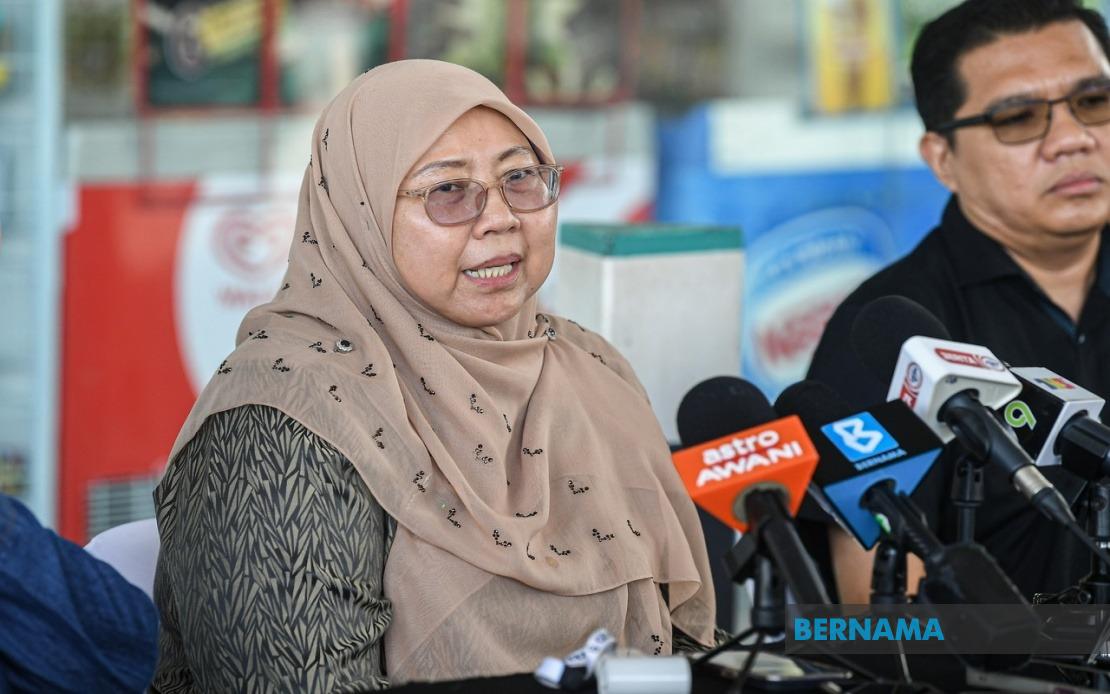
The Pakatan Harapan coalition is maintaining campaign momentum in the Johor state election despite a series of incidents involving the destruction of party materials, according to PKR secretary-general Datuk Fuziah Salleh. Speaking in Johor Bahru on July 2, Fuziah downplayed the significance of various vandalism incidents that have occurred during the campaign period, characterizing them as isolated disruptions rather than meaningful obstacles to the coalition's electoral prospects.
The incidents cited by Fuziah included the removal and tearing of campaign posters, damage to billboards, and the burning of party flags across contested constituencies. While acknowledging these acts, she emphasized that such incidents have not materially undermined the overall campaign atmosphere in Johor or deterred the coalition's organizational efforts. Fuziah, who also serves as Deputy Minister of Domestic Trade and Cost of Living, made her remarks at a press conference held in conjunction with a review of the Budi MADANI diesel subsidy assistance programme at a petrol station in Johor Bahru.
The coalition's campaign machinery in Johor appears to be operating at full intensity despite these disruptions. According to Fuziah, every Pakatan Harapan candidate in the state election has adopted an aggressive grassroots strategy, maintaining packed daily schedules that typically extend from early morning through midnight hours. Candidates are reportedly participating in up to ten separate campaign programmes each day, suggesting a coordinated and well-resourced mobilization effort across the state's contested seats.
The feedback Pakatan Harapan is receiving from voters indicates the campaign strategy is resonating with the electorate, particularly among younger demographics and first-time voters. Fuziah reported that voter responses toward PH candidates have been notably positive, with increasing indicators of support for the federal ruling coalition at the state level. This grassroots reception stands in contrast to the minor vandalism incidents, suggesting that while opponents may resort to property damage, the electoral momentum appears to favour the coalition.
A point of clarification emerged regarding candidate-specific announcements from the Skudai and Perlis constituencies, which some observers had interpreted as comprehensive party policy documents. Fuziah distinguished between candidate-level pledges and official party manifestos, explaining that localized commitments concerning constituency issues such as waste collection services do not constitute state-level policy frameworks. She characterized these announcements as sincere promises from individual candidates to address their communities' concerns rather than formal manifesto commitments.
This distinction carries significance in Malaysian electoral politics, where the difference between candidate pledges and official party policy can influence voter expectations and later accountability. Fuziah stressed that authentic manifestos contain major policies designed for implementation across an entire state, whereas candidate pledges represent targeted efforts to serve specific constituencies. Such clarification helps manage voter expectations and establishes clear boundaries between local representation efforts and state-level governance responsibilities.
The official Pakatan Harapan manifesto for the Johor state election was scheduled for release the day following Fuziah's press conference, suggesting the coalition maintains structured campaign discipline despite ongoing operational disruptions. This staged approach to campaign announcements is typical of organized political mobilization, allowing the coalition to maintain media attention and voter engagement through phased information release.
The Johor state election features 172 candidates competing across contested seats, with polling day scheduled for July 11. Early voting is set to occur on July 7, providing opportunities for specific voter categories to participate before the main election date. This electoral timeline gives Pakatan Harapan approximately one week from Fuziah's statement to finalize campaign activities and secure voter support ahead of the polls.
For Malaysian political observers, the Johor state election carries broader implications for federal coalition dynamics. Johor's electoral results could signal voter sentiment regarding Pakatan Harapan's federal governance record and provide insights into the political landscape ahead of potential future national elections. Strong performance in Johor would strengthen the coalition's claim to represent Malaysian electoral preferences, while setbacks might indicate vulnerability in key constituencies.
The willingness of Pakatan Harapan's leadership to publicly dismiss sabotage incidents reflects confidence in campaign organization and voter support. By characterizing destructive acts as peripheral rather than consequential, Fuziah essentially argues that whatever tactical opposition exists, it lacks the capacity to undermine genuine voter engagement with the coalition's message and candidates. This framing helps prevent such incidents from dominating media narratives and allows the coalition to control campaign messaging around substantive policy and positive voter reception.
The incident patterns reported—poster damage, billboard vandalism, and flag burning—represent relatively low-cost disruption tactics that require minimal resources to execute but generate visibility if amplified through media coverage. Fuziah's public dismissal of these acts as inconsequential attempts to minimize their psychological or propagandistic impact, essentially denying opponents the satisfaction of creating perceived momentum through destructive actions.

