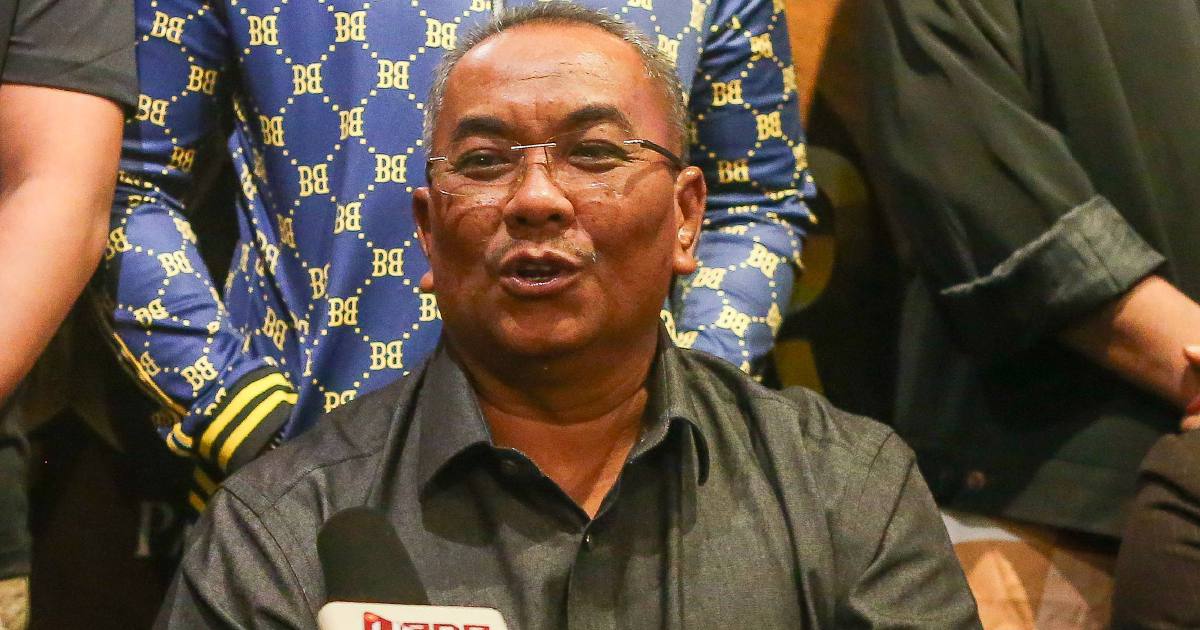
Kedah Menteri Besar Datuk Seri Muhammad Sanusi Md Nor has taken legal action against DAP deputy chairman Nga Kor Ming and two others, issuing letters of demand in connection with alleged distortion of statements he made during a ceramah event held recently in Negri Sembilan. The move represents an escalation in tensions between the Perikatan Nasional-led state government and the opposition Democratic Action Party, centring on claims that Sanusi's words were misrepresented to the public.
The specifics of what Sanusi said during the campaign event and how it was allegedly twisted remain central to the dispute. Such disagreements over political remarks have become increasingly common in Malaysia's fractious political landscape, where statements made on the campaign trail often become fodder for competing narratives and legal scrutiny. In this instance, Sanusi appears confident enough in his position to pursue formal legal remedies through demand letters, a preliminary step that typically precedes potential defamation or other civil claims.
Nga Kor Ming, as deputy chairman of the DAP, occupies a significant position within the party's leadership hierarchy. The DAP remains one of Malaysia's strongest opposition voices, particularly in states like Selangor and Penang, where it holds considerable political sway. Targeting Nga directly suggests Sanusi views the misrepresentation as a deliberate or significant enough matter to warrant naming a senior party figure, rather than treating it as casual political banter or campaign rhetoric.
The issuance of demand letters indicates Sanusi has sought legal counsel to formalize his grievance. Such letters typically demand retraction, apology, or correction of the allegedly false statements within a specified timeframe, and often state an intention to pursue litigation if demands are not met. They serve as both a legal tool and a public relations manoeuvre, putting recipients on notice while simultaneously signalling to voters and supporters that Sanusi is willing to defend his reputation through the courts.
From a political perspective, the timing and nature of this action reflect broader patterns in Malaysian politics where legal mechanisms are increasingly weaponized in partisan disputes. While defamation and misrepresentation are serious matters deserving of legal remedies, the frequency with which politicians invoke such instruments has raised questions about whether they serve genuine justice or function primarily as intimidation tactics. For Sanusi's administration, the move may appeal to PAS-aligned voters who view DAP with suspicion, but it also risks portraying the Menteri Besar as thin-skinned if the disputed remarks are deemed minor or taken out of context.
The situation also carries implications for campaign discourse in the run-up to state and national elections. If politicians face legal consequences for speeches deemed to misrepresent opponents' positions, campaigns may become increasingly cautious and sanitized. This could theoretically improve the quality of political debate by discouraging outright falsehoods, but it may equally suppress vigorous criticism and legitimate scrutiny of political opponents' records and statements.
For DAP and its leadership, being served with demand letters during an active period of political contestation adds pressure to an already complicated political environment. The party has consistently positioned itself as a defender of democratic freedoms and rights, making legal threats from state-level authorities potentially damaging to its messaging. The party will likely respond by either complying with Sanusi's demands, issuing counter-statements, or challenging the legal basis of his complaint, each option carrying different political consequences.
The involvement of two other unnamed individuals alongside Nga suggests the alleged misrepresentation may have been disseminated through multiple channels or individuals. This could indicate coordinated messaging by opposition figures, or it might simply reflect the reality that multiple people may have repeated or amplified the disputed claim across different platforms or settings. Understanding who these individuals are and their specific roles in spreading the alleged distortion would be crucial to assessing whether Sanusi has a compelling case.
Regionally, this dispute exemplifies the increasingly litigious nature of Malaysian politics, a trend visible across different states and at different levels of government. Selangor, Penang, and other states have witnessed similar confrontations where political opponents resort to legal action. This phenomenon raises questions about judicial capacity and the potential for courts to become venues for settling political scores rather than forums for genuine legal remedy.
Sanusi's tenure as Kedah Menteri Besar, beginning in 2020, has been marked by assertions of Perikatan Nasional's authority in the state following the collapse of the previous Pakatan Harapan coalition. His administration has pursued various initiatives to consolidate its position, and legal actions against opposition figures fit within a broader pattern of asserting political dominance and managing his public image.
The practical outcome of these demand letters remains uncertain. Whether Nga Kor Ming and the other recipients will acquiesce to Sanusi's demands, seek legal counsel to contest them, or respond through political channels cannot yet be determined. The case will likely generate further public debate about political ethics, the appropriate use of legal systems in partisan disputes, and the boundaries of acceptable campaign rhetoric in Malaysia's democracy.

