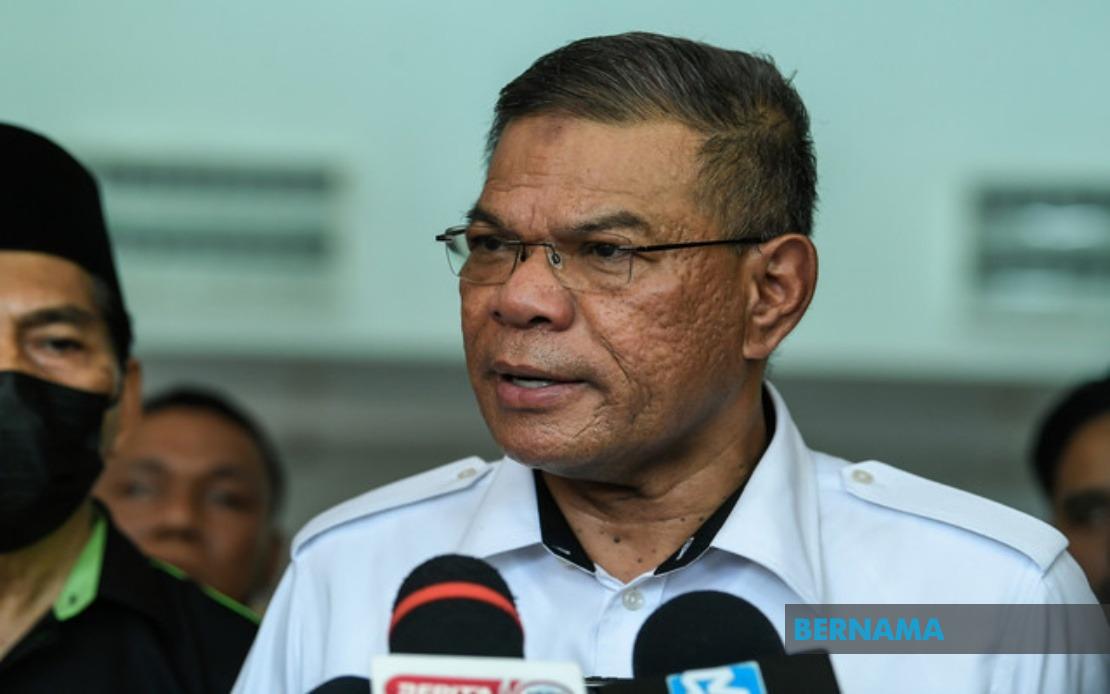
Home Minister Datuk Seri Saifuddin Nasution Ismail has moved to clarify the expansive mandate of School Liaison Officers (PPS), positioning them as multifaceted guardians of student safety rather than specialists focused solely on bullying prevention. Speaking in Kulim on July 22, Saifuddin underscored that these uniformed personnel embedded within schools monitor the full spectrum of incidents affecting student wellbeing, responding to concerns ranging from physical accidents to disciplinary matters that impact campus security.
The clarification comes amid heightened public concern over bullying in Malaysian schools, particularly following a viral incident in Cheras that reignited social media discourse about student safety. Rather than narrowing the focus to harassment cases alone, the Home Minister's statement reflects a deliberate policy approach positioning School Liaison Officers as comprehensive safety coordinators who operate at the intersection of policing, education, and community engagement. This broader interpretation suggests the government views school safety through an institutional lens encompassing infrastructure, emergency response, and behavioural management simultaneously.
The Royal Malaysia Police (PDRM) commitment to nationwide deployment of School Liaison Officers represents a sustained investment in school-based policing infrastructure that parallels similar initiatives across developed democracies. These officers, typically stationed from district police headquarters or adjacent stations, maintain ongoing relationships with school leadership, parent groups, and student bodies through structured engagement programmes. This embedded approach differs markedly from reactive, incident-based policing and signals a strategic shift toward preventative presence and community trust-building within educational institutions.
Saifuddin's remarks gain particular context when considered against concurrent efforts by the Home Ministry to deploy officers from the National Anti-Drugs Agency (AADK) into schools. This multi-agency framework reflects recognition that student safety encompasses drug prevention, nutritional wellbeing, mental health support, and accident response alongside more visible concerns about peer violence. The case of a student who fell at a school in Kuala Nerang, currently under police investigation, exemplifies the types of incidents falling within the expanded remit of school safety monitoring.
The Home Minister's statement was delivered during an inspection of the hostel building at Sekolah Menengah Agama Tarbiah Diniah near Kulim, which had been destroyed in an early morning fire the preceding day. The dormitory fire, which broke out at approximately 2:30 am, directly affected 116 resident students who lost personal belongings and accommodation. This high-impact incident provided the backdrop for broader policy clarification while simultaneously testing the government's emergency response apparatus and resource allocation mechanisms.
In immediate response to the hostel disaster, the government announced RM500 in cash assistance per affected student to enable replacement of essential school materials and personal items. Many students were left with only the clothing they wore during evacuation, facing significant hardship in replacing textbooks, uniforms, and other learning equipment. The Home Minister conveyed that this emergency financial support aimed to mitigate immediate distress and restore students' capacity to continue their education without interruption or stigma.
Beyond emergency cash disbursements, the government has allocated RM200,000 to construct temporary accommodation facilities, a commitment secured following the Prime Minister's briefing on the incident. This substantial allocation demonstrates the administration's prioritization of educational continuity and student welfare in crisis situations. The Home Minister indicated that these temporary structures would facilitate rapid restoration of normal dormitory operations and prevent protracted displacement affecting academic performance and student wellbeing.
Additional government support mechanisms deployed in response to the fire included mobilization of the National Registration Department (NRD) to provide mobile identification card services at the school site. Identity documents destroyed in the fire would be replaced free of charge, eliminating bureaucratic barriers and associated costs for affected students during their recovery period. This coordinated inter-agency response illustrates how the MADANI Government frames educational emergencies as whole-of-government priorities demanding resource mobilization across multiple departments.
The Home Minister's office contributed RM10,000 to the school's Parent-Teacher Association (PTA), supplementing broader government relief efforts while channelling resources through established school governance structures. This approach respects institutional autonomy while ensuring funds reach affected families through trusted intermediaries. State Development Offices were directed to utilize emergency allocations toward supporting displaced students, embedding disaster relief within existing state-level administrative mechanisms.
The convergence of the hostel fire incident and policy clarification regarding School Liaison Officers illustrates how crisis events often catalyze broader institutional messaging about government priorities and capabilities. Malaysian schools operate within complex governance frameworks involving federal education ministries, state administrations, district police commands, and community organizations. School Liaison Officers function as nodal points within these networks, translating policy intentions into on-ground presence while maintaining relationships that facilitate rapid information flow during emergencies.
For Malaysian parents and students, the expanded interpretation of School Liaison Officers' responsibilities offers reassurance that institutional attention to campus safety extends beyond addressing viral bullying incidents to encompassing structural safety, emergency preparedness, and multi-hazard response. However, the effectiveness of this comprehensive approach ultimately depends on sustained resource allocation, adequate training, and community confidence in police-school partnerships. The hostel fire response demonstrates capacity for rapid mobilization when disasters strike, yet the consistency of these efforts across routine, non-emergency contexts remains crucial for genuine safety enhancement.

