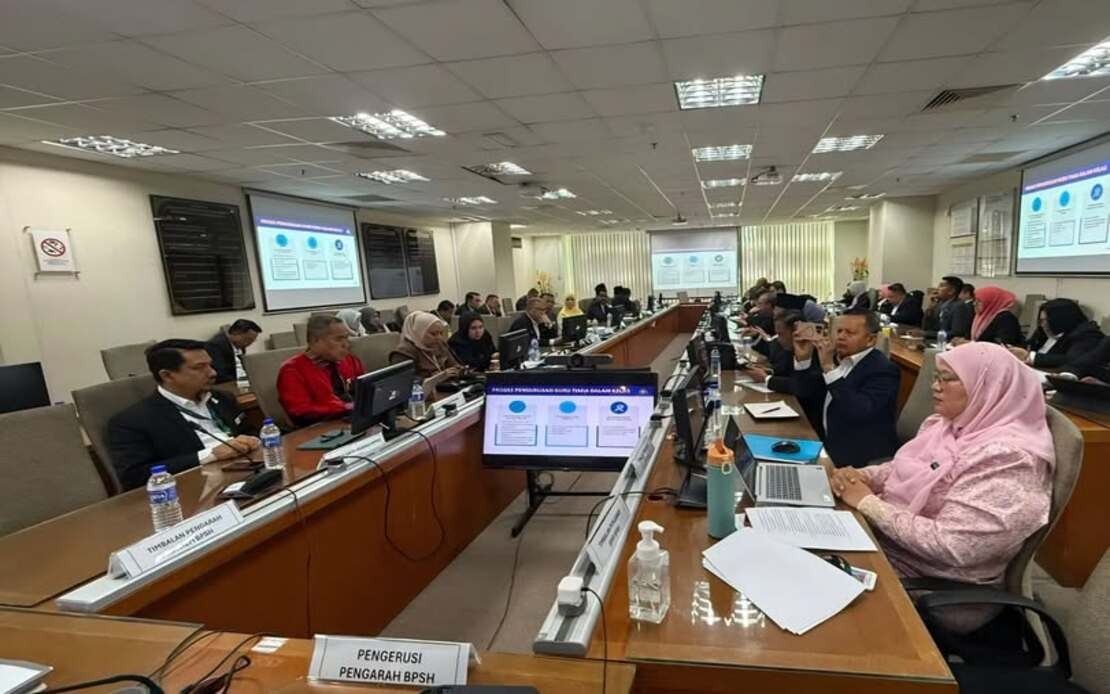
Education Minister Fadhlina Sidek has moved to address widespread concerns among Malaysian teachers about the School Pupil Protection Policy, emphasising that the measure aims to establish a cohesive safety framework rather than shift the burden of child protection onto educators' shoulders. Speaking on the policy's intent, Fadhlina clarified that the initiative creates a structured system defining what each stakeholder must do when pupil safety and welfare issues emerge, moving away from the notion that teachers alone bear responsibility for protecting students.
The policy framework fundamentally restructures how schools and related agencies approach child protection in Malaysia. Instead of expecting individual teachers to investigate concerns thoroughly before reporting, the protocol encourages educators to alert school administrators immediately upon receiving complaints or forming reasonable suspicion about a child's safety. This represents a significant shift from previous practice, where teachers sometimes delayed reporting pending conclusive evidence, potentially exposing vulnerable pupils to extended harm during what should be a swift intervention period.
Fadhlina's clarification addresses longstanding teacher anxiety about legal liability and professional consequences. The Education Minister explicitly stated that the Ministry of Education would extend legal support to educators where appropriate and would not position teachers as scapegoats in child protection matters. This assurance attempts to overcome resistance from the National Union of the Teaching Profession and other educator organisations, which had expressed concern that implementing the policy might expose teachers to blame when cases escalated or were mishandled by other agencies.
The coordination structure outlined by Fadhlina demonstrates the multi-layered ecosystem now responsible for pupil protection. Beyond the Ministry of Education and its sub-units—State Education Departments and District Education Offices—the framework integrates external agencies including the Royal Malaysia Police and the Social Welfare Department. This distributed responsibility model reflects international child protection standards, where schools function as one component within a broader safeguarding network rather than operating as isolated protective entities.
Recognising that implementation challenges persist, the ministry has embarked on intensive engagement sessions with key stakeholder groups. Discussions have already occurred with the National Union of the Teaching Profession, the Human Rights Commission of Malaysia, the United Nations Children's Fund, and various non-governmental organisations working on child welfare issues. These sessions serve dual purposes: clarifying teacher roles and boundaries while building broader consensus about the policy's necessity and implementation approach. The repeated engagement reflects acknowledgment that a single policy document cannot address every contextual scenario educators encounter.
The policy addresses a critical vulnerability in Malaysia's previous child protection approach: cases of repeated trauma inflicted through improper handling. When multiple agencies investigate independently without coordination, children may endure unnecessary repeated questioning and traumatic re-exposure to circumstances they've reported. The framework aims to prevent this through centralised case management that determines appropriate action based on severity and nature, with referrals made to relevant authorities only as needed. This coordinated approach protects children from the compounding harm that fragmented institutional responses can inflict.
Fadhlina's emphasis on clear role definition carries particular significance for Malaysian educators operating in complex school environments. Teachers work with diverse student populations—some from vulnerable backgrounds, others experiencing domestic issues or abuse—yet many lack formal training in identifying and appropriately reporting safeguarding concerns. By establishing explicit protocols detailing what teachers must do, what they need not do, and what happens after they report, the policy provides psychological reassurance alongside practical guidance. Teachers no longer carry the cognitive burden of determining whether evidence suffices or whether reporting might create complications.
The policy's development reflects evolving international standards regarding child protection that Malaysia has gradually incorporated through UNICEF partnerships and human rights frameworks. Many Commonwealth nations and ASEAN neighbours have implemented similar multi-agency safeguarding systems recognising that schools, while critical reporting points, cannot function as sole guardians of child welfare. Teachers' professional expertise centres on education; expecting them to also serve as investigators, counsellors, and social workers stretches capacity and expertise beyond reasonable bounds. The policy recalibrates expectations appropriately.
Implementation success depends significantly on sustained educator education beyond initial policy briefings. Fadhlina acknowledged this reality, committing to ongoing engagement sessions until teachers confidently understand their boundaries, recognise their authority, and feel assured about implementation steps. This extended implementation timeline reflects pragmatic acknowledgment that policy change requires genuine cultural shift within school institutions. Teachers must transition from viewing child protection as an individual moral responsibility to recognising it as a systematic institutional process where their role—while essential—constitutes only one component.
For Malaysian pupils, particularly those from marginalised or vulnerable communities, this policy framework potentially transforms institutional responsiveness to safety concerns. When teachers become empowered conduits for reporting rather than investigators determining case merit, more concerns reach appropriate authorities more quickly. The multi-agency coordination prevents cases from falling through institutional gaps where a report to school administrators gets lost, never reaching police or welfare authorities. Such institutional coordination has demonstrably improved child protection outcomes in jurisdictions implementing similar frameworks.
The policy also carries implications for school-parent relationships and community trust. Parents increasingly expect schools to maintain rigorous safety standards and respond decisively to concerns. By establishing transparent protocols and involving multiple oversight agencies, schools signal seriousness about child protection rather than attempting institutional self-regulation. This transparency builds stakeholder confidence that safety concerns receive appropriate attention rather than institutional suppression aimed at protecting school reputation.
Fadhlina's reassurance that teachers will not be abandoned to face legal consequences alone represents crucial political acknowledgment of teacher vulnerability in protection cases. Educators reporting concerns often face emotional distress when cases proceed to police investigation, court proceedings, or social welfare intervention. Legal support from the ministry—whether through institutional representation, insurance coverage, or counselling—acknowledges the psychological toll such involvement extracts from conscientious educators. This commitment may significantly improve educator willingness to report concerns without fearing professional or legal jeopardy.
The School Pupil Protection Policy ultimately represents Malaysian institutional maturation in child safeguarding. Moving beyond approaches that left protection primarily to individual teachers' moral vigilance, the policy creates systematic responsibility distributed across institutions with relevant expertise and authority. Success requires genuine implementation commitment from all stakeholders—not merely policy adoption—with sustained attention to educator training, inter-agency coordination, and continuous refinement based on real-world experience across Malaysia's diverse school environments.

