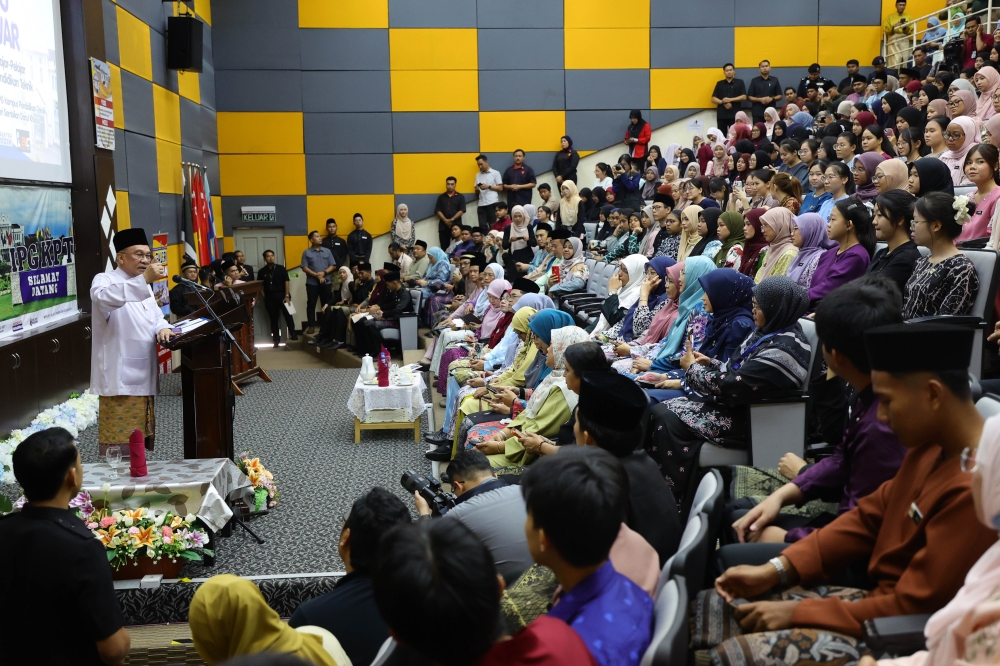
Prime Minister Datuk Seri Anwar Ibrahim has delivered a pointed warning to Malaysia's schools, making clear that protecting students from bullying should never be sacrificed to maintain an institution's public standing. Speaking in Nilai on July 17, Anwar underscored a principle that appears to be gaining traction in Malaysian education discourse: that no school's reputation matters more than the wellbeing of children within its walls. His remarks came amid ongoing national conversations about how educational institutions handle cases of student mistreatment, a topic that has periodically surfaced in Malaysian media and civil society discussions.
The Prime Minister's intervention signals government concern about an apparent institutional tendency to downplay or conceal bullying incidents rather than address them transparently. This pattern, if widespread, would represent a serious misalignment between what schools publicly espouse about student care and how they actually manage serious disciplinary matters. Anwar's emphasis suggests that some Malaysian schools may be prioritising damage control over the psychological and physical safety of vulnerable students, a practice that undermines both individual welfare and the broader integrity of the education system.
Bullying in Malaysian schools has emerged as a persistent challenge, manifesting in various forms from physical aggression to psychological harassment and, increasingly, cyberbullying through social media platforms. The phenomenon affects student mental health, academic performance, and social development, yet institutional responses remain inconsistent across different school types and geographic regions. Some schools have implemented comprehensive anti-bullying programmes with clear reporting mechanisms, while others appear to treat incidents as internal matters best resolved quietly, away from public scrutiny.
Anwar's statement reflects a broader shift in thinking about institutional accountability in Malaysia's education sector. Rather than framing bullying incidents as embarrassments to be hidden, the Prime Minister's message reframes them as normal challenges requiring systematic, transparent responses. This distinction is crucial because it removes the perverse incentive that encourages schools to suppress reports, and instead creates space for proper intervention, support for victims, and appropriate consequences for perpetrators.
The practical implications of this principle extend beyond mere policy pronouncements. Schools must establish robust reporting systems that protect complainants from retaliation while ensuring that allegations are investigated properly and independently where necessary. Teachers and administrators require training in recognising various forms of bullying, understanding the psychological impact on victims, and implementing evidence-based interventions. Parents need confidence that reporting their child's experience will lead to meaningful action rather than being filed away to protect the school's rankings or reputation.
Malaysia's education landscape includes both vernacular and national schools, elite private institutions and public secondary colleges, each with distinct cultures and governance structures. Anwar's message applies universally, yet implementation will necessarily vary. International schools may have different reporting frameworks than government institutions, and urban schools may face different manifestations of bullying compared to rural counterparts. Nevertheless, the underlying principle—that student welfare supersedes institutional reputation—must be non-negotiable across all settings.
The psychological toll of bullying extends far beyond school hours. Victims often experience anxiety, depression, and in severe cases, self-harm or suicidal ideation. Longitudinal research suggests that bullying experiences in childhood can impact mental health and social functioning well into adulthood. Early, transparent intervention and appropriate support services therefore represent not merely kindness but sound investment in students' long-term development and Malaysia's human capital.
Anwar's intervention may also address a cultural dimension where maintaining face and institutional prestige has historically trumped confronting uncomfortable truths. In some Malaysian contexts, discussing problems publicly is viewed as bringing shame, leading schools to minimise incidents internally. However, contemporary understandings of child protection and duty of care increasingly demand that schools function as open systems where accountability is visible and processes are transparent.
The role of parents presents another critical dimension. Families who discover their children are being bullied need assurance that schools will take their concerns seriously without defensiveness or minimisation. When schools prioritise their own reputation, parents lose trust and may resort to other solutions—removing children, escalating complaints to authorities, or seeking justice through media exposure—all of which could have been prevented through honest, proactive school engagement.
For Malaysian policymakers, Anwar's position suggests a potential hardening of expectations around how schools must handle bullying. This could translate into clearer ministerial guidelines, updated school inspection criteria that evaluate anti-bullying frameworks, or new reporting requirements that make suppression of incidents more difficult. Such measures would signal that the education system takes student safety seriously and will not tolerate institutional self-protection at the expense of vulnerable children.
Moving forward, schools must recognise that transparency about bullying incidents, coupled with genuine commitment to prevention and support, ultimately enhances rather than damages institutional reputation. Schools that handle such situations well gain parent trust and demonstrate educational integrity. The reputational damage, by contrast, comes from exposure of cover-ups, which carry far heavier costs than honest acknowledgement and remediation.
Anwar's statement serves as a timely reminder that Malaysia's education system exists primarily to serve students, not to project an unblemished institutional image. As schools confront the reality of bullying within their communities, they must embrace the uncomfortable truth that acknowledging problems and addressing them properly represents the path to genuine credibility. The Prime Minister's message, clear and unambiguous, leaves little room for schools to hide behind institutional prestige when children's wellbeing hangs in the balance.

