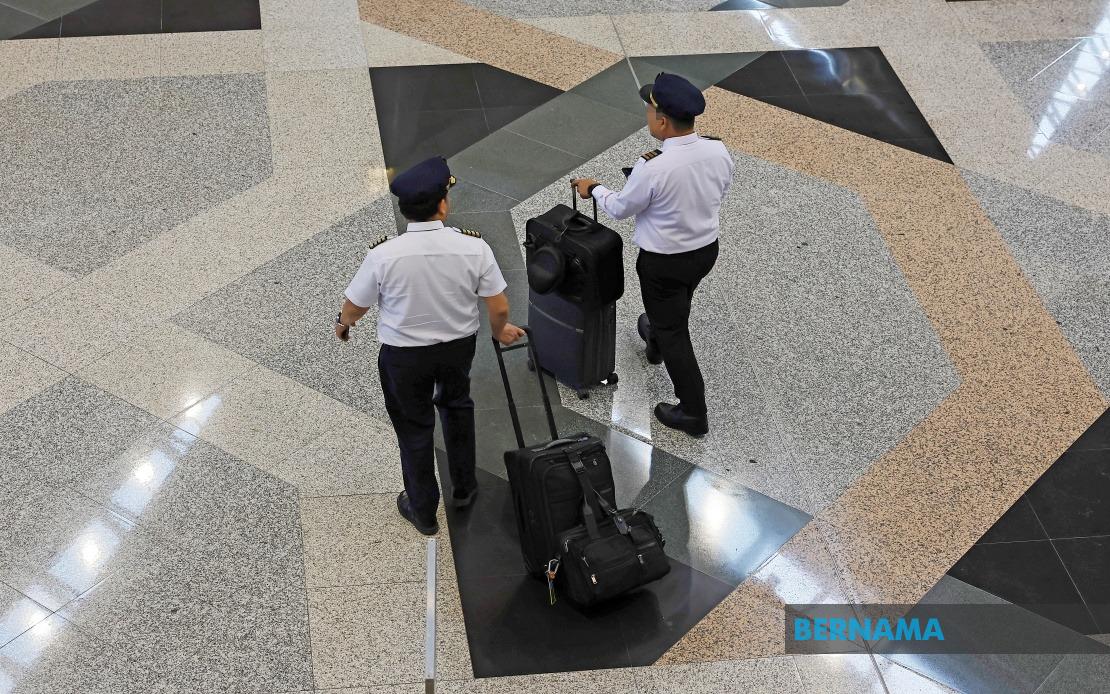
The arrest of a Malaysian airline pilot at Jakarta's Soekarno-Hatta International Airport has reignited concerns about the effectiveness of security screening procedures at Malaysia's primary aviation hub. Tan Sri Lee Lam Thye, chairman of the Alliance For A Safe Community, has called for a comprehensive examination of security protocols at Kuala Lumpur International Airport following the detention of the 39-year-old pilot, who Indonesian authorities allege was attempting to smuggle 25 kilogrammes of drugs through Terminal 3.
While Lee emphasised that the pilot must be presumed innocent until proven guilty through proper legal proceedings, he argued that the incident itself represents a significant warning sign for Malaysia's aviation security infrastructure. The fundamental question at the heart of his concern centres on a troubling gap: how did an individual allegedly carrying such a substantial quantity of contraband manage to transit through KLIA's security screening systems undetected? This query goes beyond the individual case and strikes at the heart of public trust in Malaysia's ability to maintain secure air transportation.
Lee's statement underscores a critical vulnerability that security experts and enforcement agencies cannot afford to ignore. The alleged movement of 25 kilogrammes of drugs through an international airport without interdiction suggests the possibility of systemic weaknesses in screening procedures, whether in detection technology, human vigilance, or procedural consistency. These gaps need not indicate intentional malfeasance; they could stem from outdated equipment, insufficient training, resource constraints, or simply procedural complacency that has developed over time.
The Alliance chairman specifically urged enforcement agencies—including airport security operators, police, and the Civil Aviation Authority—to conduct a thorough investigation into current screening procedures. Notably, Lee highlighted the need for heightened scrutiny of personnel who work within the aviation sector itself. Flight crew and airport staff occupy a unique position within airport ecosystems; they navigate restricted areas and may benefit from familiarity that could potentially be exploited. Lee stressed that security protocols must apply uniformly without exception, suggesting that no category of airport worker should receive exemptions from rigorous screening, regardless of their position or clearance level.
The incident raises broader implications for Malaysia's reputation as a reliable aviation hub in Southeast Asia. The country's major airports serve as crucial nodes in regional and international air travel networks. Any perception that Malaysia's security standards are lax or inconsistently enforced could have consequences extending far beyond a single case. Airlines, international carriers, and passengers base decisions on confidence in security systems. Furthermore, regional and international aviation authorities assess compliance through inspections and audits that can affect Malaysia's standing within global aviation governance structures.
Lee's emphasis on the need to safeguard the integrity and reputation of Malaysia's aviation security system reflects an understanding that this incident occurs within a competitive global context. Other Southeast Asian airports are simultaneously investing in advanced screening technologies and refining their procedures. If KLIA is perceived as having lapses, it could influence routing decisions and partnerships at a time when the aviation industry is recovering from pandemic-related disruptions and competition for traffic is intensifying.
The call for consistent enforcement without exception addresses a persistent vulnerability in security systems worldwide: the assumption that certain individuals or categories of people pose lower risk. History demonstrates repeatedly that such assumptions can be exploited. By insisting on uniformity, Lee advocates for a security posture that treats all individuals fairly while eliminating the possibility that familiarity or position could create blind spots.
The role of detection technology also deserves scrutiny in any comprehensive review. KLIA must assess whether its X-ray equipment, scanning systems, and detection capabilities remain current and effective. Technology in the security field advances continuously, as do methods for concealment. A screening procedure that was adequate five years ago may no longer provide sufficient protection against contemporary smuggling techniques. If the review reveals outdated equipment, rapid modernisation should follow.
Beyond equipment, procedural review must examine how human security personnel are trained and whether their training keeps pace with emerging threats. Fatigue, distraction, and routine can all undermine even well-designed procedures. Regular auditing, mystery shopper programmes, and accountability mechanisms help maintain vigilance. The review should assess whether such oversight mechanisms exist and function effectively at KLIA.
Lee's call also implicitly addresses the relationship between airport security and law enforcement cooperation. The fact that the pilot was detained in Jakarta, not KLIA, suggests that Indonesian authorities discovered what Malaysian screening systems may have missed. This raises questions about whether information-sharing protocols with international partners are optimal and whether there are opportunities to improve early warning systems that might catch suspicious patterns before individuals depart Malaysia.
The civil society leader's intervention represents an important accountability function. As an independent voice outside government, Lee can articulate public concerns in ways that carry credibility with both authorities and the public. His emphasis that public confidence must be safeguarded acknowledges that aviation security ultimately depends on collective buy-in—from enforcement personnel implementing procedures, airport operators managing operations, and the travelling public who must feel secure.
For Malaysia and the region, the investigation Lee advocates should yield concrete outcomes: either confirmation that KLIA's security systems are functioning properly and this incident reflects an isolated anomaly, or identification of specific weaknesses requiring remediation. Either outcome, communicated transparently, would serve the public interest better than ambiguity. As aviation traffic in Southeast Asia continues its post-pandemic recovery and regional integration deepens, maintaining confidence in Malaysia's transportation security infrastructure becomes increasingly important for both national interests and regional stability.

