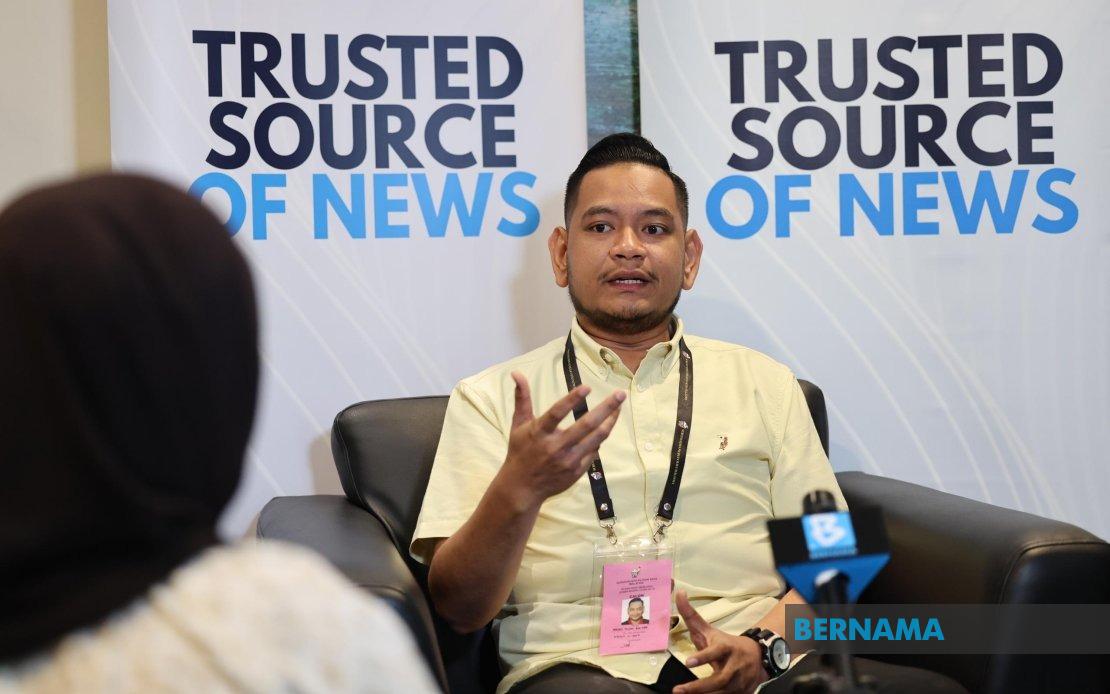
The Sedili state constituency in Johor is shaping up as a generational contest on the campaign trail ahead of the July 11 polling day. Pakatan Harapan has fielded Amirul Huzni Onn, a 29-year-old political newcomer and Amanah Youth chief, against the Barisan Nasional's incumbent Muszaide Makmor and Perikatan Nasional's Rasman Ithnain, a former three-term assemblyman. Rather than view his relative inexperience as a liability, Amirul Huzni is reframing youth and absence of a political track record as competitive strengths in a constituency long dominated by BN.
For Malaysian observers watching the Johor state election unfold, Amirul Huzni's candidacy reflects a broader pattern across the peninsula of younger politicians seeking to displace entrenched incumbents by appealing to voters fatigued by institutional politics. The strategy carries inherent risks—experience and established networks remain powerful assets in state-level contests—but it also taps into genuine frustration among younger voters about leadership renewal. Amirul Huzni's framing of inexperience as a blank canvas, unmarred by years of failed promises or controversial decisions, speaks to this sentiment directly. In constituencies where local issues have festered unresolved for years, the promise of untainted new blood can carry surprising electoral weight.
The Sedili seat itself presents particular challenges and opportunities for the young challenger. As a BN stronghold, the constituency has historically voted conservatively, favouring established political machinery and traditional patronage networks. Muszaide Makmor's incumbency status and Rasman Ithnain's three previous terms as assemblyman represent formidable institutional advantages—both men possess deep community ties, fundraising networks, and proven ability to navigate state-level negotiations for project allocation. Amirul Huzni enters this contest with none of these structural advantages, making his emphasis on learning and respectful engagement as much a pragmatic acknowledgment of his position as a principled campaign approach.
Yet Amirul Huzni's willingness to highlight the distinctive perspective that generational change offers should not be dismissed as mere candidate spin. Young politicians often bring different priorities and communication styles to constituencies. They tend to emphasise issues around technology adoption, youth employment, and modernised service delivery rather than focusing solely on traditional infrastructure or patronage distribution. In Sedili, where fishermen and anglers form a significant demographic group, Amirul Huzni has identified the long-delayed fuel station as his flagship campaign commitment. This specificity matters. Rather than promising comprehensive economic transformation or sweeping policy reforms—pledges difficult for a single assemblyman to deliver—he has pinpointed a concrete, achievable goal that directly addresses working residents' daily frustrations.
The fuel station issue exemplifies how local politics often hinge on unglamorous but essential infrastructure. The site in Sedili has been identified for over a year, with land clearing completed, yet bureaucratic obstacles or funding shortfalls have prevented construction. For fishing communities dependent on reliable fuel access, this represents not abstract governance failure but immediate practical hardship. Amirul Huzni's decision to campaign on completing this specific project, rather than making sweeping promises about industrial development or population incentives, suggests a calibrated understanding of what constitutes meaningful representation at the state assembly level. Whether this focused approach resonates with voters will provide insight into whether Sedili residents prioritise rhetorical ambition or demonstrable problem-solving.
Amirul Huzni's emphasis on conducting his campaign with maturity and respect towards opponents also warrants scrutiny beyond the standard political courtesy. Election campaigns in Malaysia have occasionally deteriorated into acrimonious personal attacks, particularly when younger candidates challenge established figures. His stated commitment to learning from the experience and engaging positively with both Muszaide and Rasman suggests either genuine confidence in his position or calculated recognition that attacking more experienced opponents could backfire among voters who associate such attacks with political immaturity. Either way, this posture may appeal to segments of the electorate fatigued by divisive campaigning and seeking representatives capable of collaborative governance.
For Pakatan Harapan, fielding Amirul Huzni in Sedili represents a broader strategic calculation about the coalition's trajectory in Johor. The state has remained a BN fortress in recent elections, and PH's electoral prospects here depend partly on projecting credible alternatives to entrenched ruling coalitions. Younger candidates with untainted records and local connections can sometimes make gains in constituencies written off as safe seats, particularly if voter sentiment shifts regarding governance quality. However, this remains a high-risk strategy if executed without adequate ground organisation and resource allocation.
The three-way contest itself deserves attention from analysts tracking Johor politics. The presence of Perikatan Nasional's Rasman Ithnain as a third major candidate fragments opposition to BN's Muszaide, potentially advantaging the incumbent by splitting anti-government votes. Whether Rasman's experience and name recognition can carve out sufficient support to remain competitive or whether voters consolidate behind either PH's Amirul Huzni or BN's Muszaide will significantly shape the outcome. In Malaysian state elections, three-way contests frequently disadvantage the candidate running third, making strategic voting calculations crucial.
Amirul Huzni's background as Amanah Youth chief positions him within a specific political ecosystem. Amanah, as the smallest component of Pakatan Harapan, has positioned itself as socially progressive while maintaining religious and cultural credibility. This balancing act can appeal to educated, cosmopolitan voters whilst maintaining standing among more traditional constituencies. However, Amanah's limited organisational footprint in many Johor constituencies compared to DAP or PKR could constrain Amirul Huzni's campaign reach.
The broader context of Johor state politics also matters considerably. The state has experienced significant political volatility in recent years, with shifting allegiances and coalition realignments creating unpredictable voter behaviour. Constituencies that appeared safe for BN have occasionally delivered surprises, particularly in areas where specific local grievances override traditional voting patterns. Whether Sedili fits this pattern depends on how effectively Amirul Huzni can mobilise discontent around unresolved infrastructure issues and connect generational change rhetoric to voters' material concerns.
As July 11 approaches, Amirul Huzni's campaign will test whether Malaysian voters in a BN stronghold are genuinely receptive to youth and political freshness as leadership credentials, or whether experience, incumbency, and established networks retain their traditional dominance. His willingness to contest despite apparent disadvantages demonstrates the confidence of a younger generation in their capacity to govern, even in traditionally conservative constituencies. Whether this confidence translates into electoral performance remains to be seen, but his candidacy provides valuable evidence of how generational transitions are reshaping Malaysian electoral competition.

