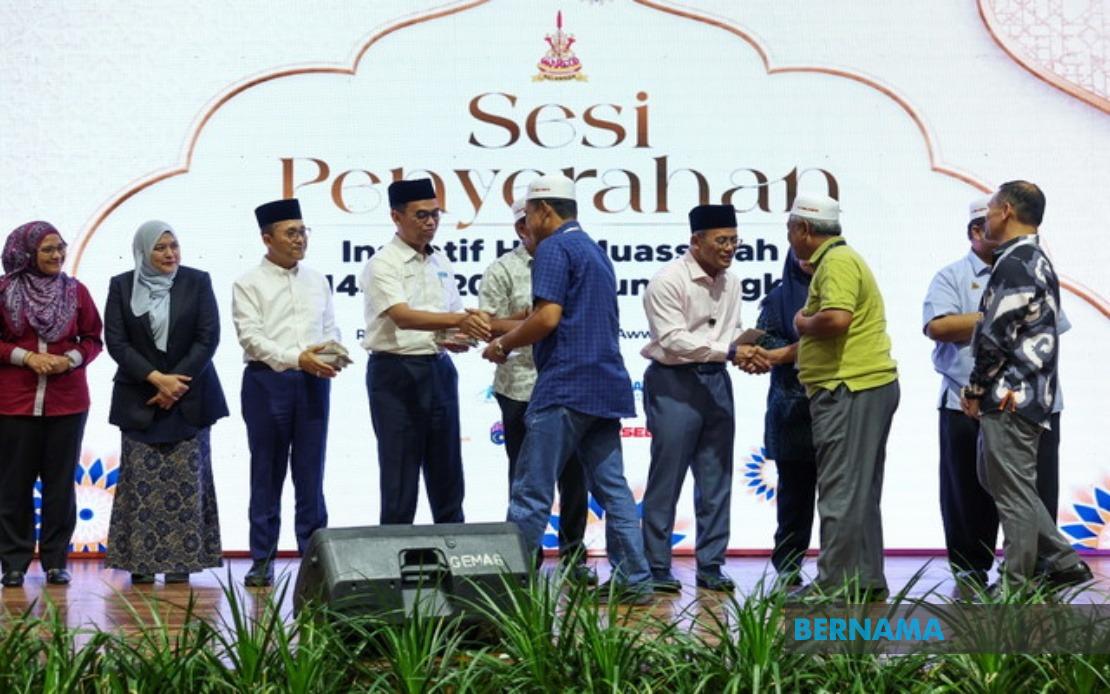
Selangor's state government is on track to complete disbursement of its 2026 Muassasah Haj Incentive scheme by September, with 4,800 of the 6,000 eligible recipients having already received their assistance payments. Menteri Besar Datuk Seri Amirudin Shari disclosed the progress while presenting grants at a ceremony in Sepang, revealing that officials are actively identifying and contacting the remaining 1,200 recipients to process their claims and finalise the distribution exercise across the state.
The initiative represents a significant commitment to supporting Muslim pilgrims from Selangor in preparing for the sacred Haj journey. Through the Selangor Menteri Besar Incorporated Foundation, the state has allocated RM9 million to provide RM1,500 assistance to each of the 6,000 qualifying pilgrims throughout the state. This funding covers essential preparation expenses including religious equipment, prescribed medications, appropriate clothing, and other necessities required for the demanding pilgrimage to Mecca. For many lower to middle-income pilgrims, such targeted financial support can mean the difference between undertaking the journey comfortably or facing considerable hardship.
The assistance programme reflects broader policy priorities among Malaysian state governments to ease financial burdens on pilgrims and ensure they can journey to Islam's holiest site adequately prepared. The Sepang ceremony specifically benefited 259 recipients from the Dengkil constituency and formed part of a wider series of handover events being conducted throughout Selangor's districts. Deputy Housing and Local Government Minister Datuk Aiman Athirah Sabu, also Member of Parliament for Sepang, attended the gathering, underscoring the political significance state and federal governments attach to supporting their constituents' religious obligations.
While the current assistance level of RM1,500 per pilgrim addresses immediate material needs, Amirudin indicated the state harbours ambitions to enhance the programme's generosity. He announced plans to increase the per-recipient grant to RM2,000, with implementation targeted for 2027 or 2028 at the latest, contingent upon Selangor's fiscal health and economic circumstances prevailing at that time. This conditional commitment reflects the pragmatism required of state administrators who must balance aspirational social spending against the realities of government revenues and competing budgetary demands.
The Menteri Besar acknowledged the inherent uncertainties in long-term financial planning, noting that unforeseen budgetary pressures could affect the timeline and feasibility of increasing assistance levels. Nevertheless, he framed the RM2,000 target as a concrete objective towards which the state government is working, demonstrating a commitment to progressively enhancing pilgrim support as resources permit. Such incremental expansion of welfare provision, even when provisional, signals to voters and religious constituencies that their needs remain under consideration by policymakers.
Selangor's proactive administration of the Haj incentive scheme reflects the state's large Muslim population and its political importance as Malaysia's most developed jurisdiction outside the federal territories. As a prosperous state with substantial revenue streams from federal allocations, corporate taxation, and licensing fees, Selangor possesses greater fiscal capacity than many other states to implement social programmes of this scope. The ability to disburse RM9 million for Haj preparation assistance across 6,000 recipients demonstrates the tangible benefits of strong state finances and governance efficiency.
The rapid pace of disbursement—with nearly 80 per cent of recipients already processed—indicates effective administrative machinery within Selangor's government structures. The state's commitment to completing the exercise within a defined timeframe, before pilgrims begin departing for Saudi Arabia, demonstrates practical understanding of the seasonal urgency surrounding Haj preparations. Delays in assistance payments could disadvantage pilgrims who need funds well in advance to purchase required items and arrange logistical details.
For Malaysian pilgrims more broadly, Selangor's initiative offers a model that other state governments may consider adopting or emulating according to their respective financial capacities. The standardised RM1,500 grant represents a meaningful contribution that does not overwhelm state budgets while providing genuine relief to beneficiary households. As Haj participation among Malaysian Muslims continues, particularly among retirees and working-class devotees, state-level financial support mechanisms address an identifiable social need extending beyond traditional pilgrim sponsorship by Islamic organisations or family networks.
The programme also raises questions about equitable access to Haj incentives across Malaysia's diverse states. While wealthy Selangor can afford such assistance, residents of less economically developed states may lack comparable support systems. This disparity potentially influences pilgrim participation patterns across the country and may warrant consideration by federal policymakers examining whether broader national assistance frameworks could complement state-level initiatives and ensure greater equity in religious pilgrimage support.

