The Selangor state government has made substantial headway in formalising the status of indigenous communities across the state, with more than half of the 74 recognised indigenous villages currently proceeding through the gazetting process. This administrative step, which grants official recognition and associated protections to settlements, represents a significant stride in addressing the land rights and development needs of indigenous populations in Malaysia's most developed state. V. Papparaidu, the Selangor committee chairman overseeing human resources and poverty eradication initiatives, signalled optimism that the gazetting of these villages would reach a tangible milestone by the conclusion of the current calendar year, underlining the state administration's commitment to expediting these registrations.
However, the progress on indigenous village recognition has not proceeded uniformly across all communities. A considerable number of indigenous settlements face complications stemming from overlapping land-use designations, particularly where these villages are situated on areas classified as Malay reserved lands under state legislation. This jurisdictional complexity creates administrative and legal obstacles that cannot be resolved through gazetting alone, requiring coordination between multiple state departments and local authorities. The Selangor government has acknowledged these difficulties and indicated it will collaborate with district administrators to navigate these zoning conflicts, suggesting a pragmatic approach that recognises both the historical status of Malay reserve designations and the legitimate claims of indigenous communities requiring formal recognition and access rights.
Beyond the immediate challenge of gazetting existing registered villages, the state government has articulated an expanded ambition to formalise indigenous settlements that have not yet appeared on official lists. This broader mandate reflects recognition that the current inventory of 74 villages may not capture all indigenous communities requiring formal acknowledgement and development support. The gazetting initiative therefore serves dual purposes: completing recognition for already-listed communities whilst simultaneously identifying and processing additional settlements that warrant formal status. This two-pronged approach suggests a more comprehensive understanding of indigenous land occupation patterns across Selangor's diverse terrain.
The gazetting process carries practical significance beyond symbolic recognition. Formal gazetting provides indigenous communities with documented tenure security, facilitates infrastructure development initiatives, and establishes clearer frameworks for resource allocation and service delivery. For Selangor, a state experiencing rapid urbanisation and land-use pressures, ensuring indigenous communities receive formal protection against land disputes or involuntary displacement has become increasingly urgent. The state's focus on completing this process reflects both humanitarian considerations and pragmatic governance, as unresolved indigenous land claims can create long-term social tensions and development complications.
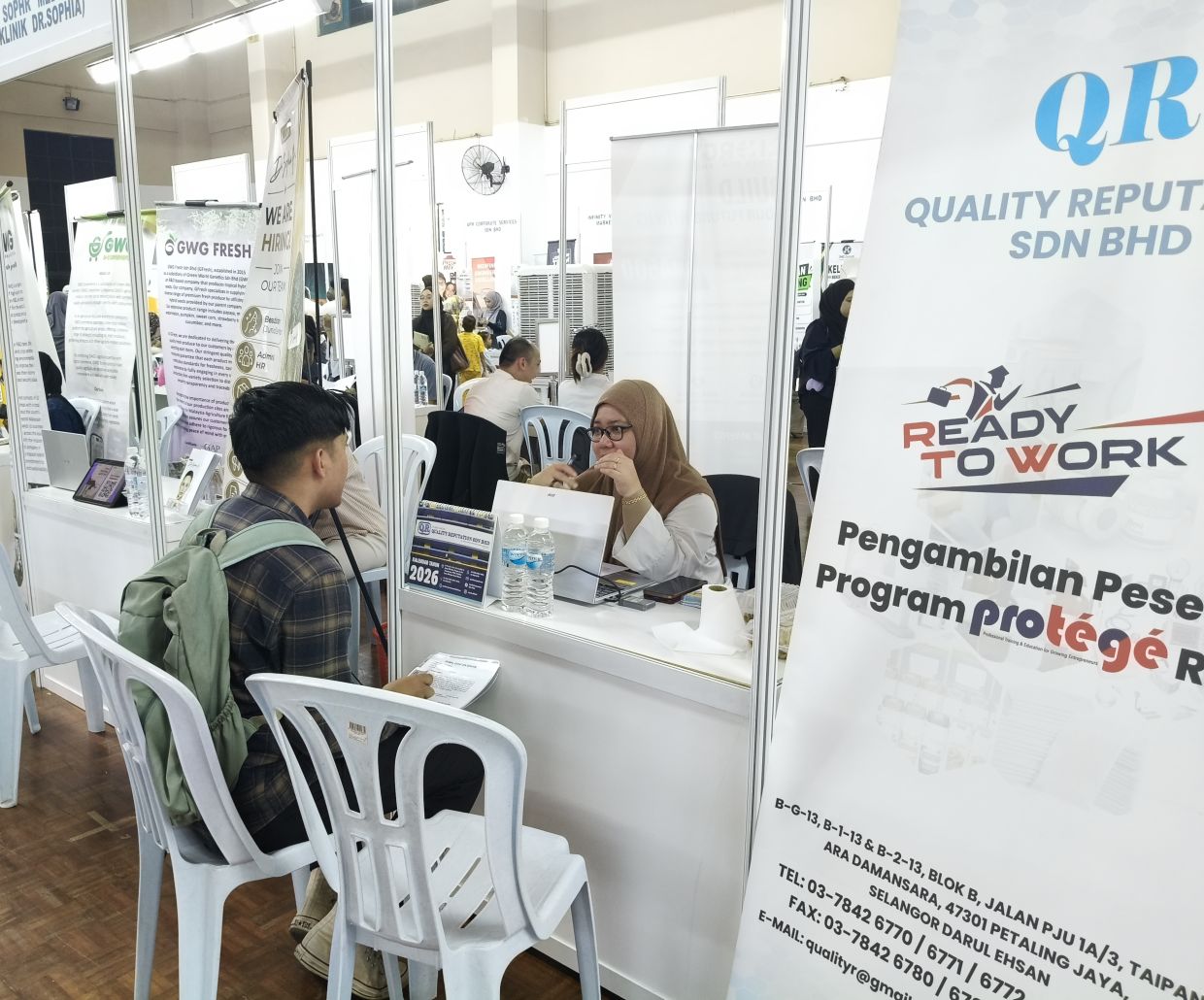
Paralleling these efforts toward indigenous village recognition, Selangor has concurrently expanded its broader economic empowerment agenda through workforce development initiatives. During a state-sponsored event held on August 15 at Bukit Beruntung Golf and Country Resort in Hulu Selangor, the JobCare Selangor employment carnival attracted participating companies offering 5,785 employment opportunities across multiple sectors and geographic locations. This substantial jobs fair demonstrates the state's strategy of coupling formal recognition for marginalised communities with concrete economic pathways for residents seeking income improvement.
The employment landscape revealed during this carnival reflects Selangor's industrial composition, with manufacturing emerging as the dominant sector offering positions. The manufacturing sector alone accounted for 2,560 of the total vacancies, underscoring the continued importance of industrial production within the state's economy despite the broader shift toward service and technology sectors. Of the total job opportunities presented, 5,005 positions were situated within Selangor itself, whilst remaining vacancies extended into neighbouring Perak and Negri Sembilan, suggesting cross-border employment mobility for the state's workforce. This geographic spread reflects the integrated regional labour market operating across central Peninsular Malaysia.
Salary expectations for available positions indicated substantial wage improvements compared to historical norms, with nearly two-thirds of advertised roles offering monthly compensation exceeding RM2,500. For positions requiring managerial expertise, monthly remuneration ranged from RM8,000 to RM10,000, representing meaningful career advancement opportunities for skilled workers. These salary bands suggest employers were recruiting for roles requiring experience and qualifications rather than entry-level positions, indicating selective hiring focused on productivity enhancement rather than simply increasing headcount.
Skills development has become central to Selangor's employment strategy. The state government has expanded capacity through the Selangor Technical Skills Development Centre, which provides vocational training aligned with industry demand. A particularly noteworthy initiative involved assisting 20 to 30 school teachers who had entered education without formal tertiary qualifications to obtain recognised credentials. Through a focused three-month programme, these educators completed a level 4 Malaysian Skills Certificate, equivalent to diploma-level qualification. This intervention addresses a persistent issue whereby individuals entered teaching immediately after secondary education completion, often due to financial necessity or family circumstances, without accumulating formal credentials that typically accompany the profession. Diploma-level qualification enhancement directly translates into salary progression for these educators, providing material incentives for continued professional development.
The broader employment carnival incorporated complementary services designed to reduce barriers to job placement. Talent Corporation Malaysia Berhad operated a career return programme specifically targeting mothers seeking to re-enter the workforce after periods of caregiving absence, acknowledging that gender-based employment gaps persist despite overall labour market tightness. The Social Security Organisation provided resume review services, offering job seekers professional guidance on application preparation. These wraparound services recognise that employment barriers extend beyond skills deficits to encompass information gaps, confidence limitations, and structural obstacles that can deter otherwise-qualified candidates from pursuing available opportunities.
For Malaysian and Southeast Asian observers, Selangor's combined focus on indigenous community recognition and workforce development skill-building reflects a maturing approach to inclusive economic growth. Rather than pursuing development solely through infrastructure investment or large-scale industrial projects, the state is simultaneously addressing historical recognition gaps for indigenous populations whilst equipping citizens with the capabilities necessary to access improved employment opportunities. This integrated approach has particular relevance across Southeast Asia, where multiple countries grapple with balancing rapid economic development against protecting indigenous land rights and ensuring development benefits reach marginalised communities rather than concentrating among already-advantaged populations.
The convergence of indigenous village gazetting initiatives with active workforce development programming also underscores recognition that formal legal status and economic opportunity operate as complementary rather than competing policy objectives. Indigenous communities require both secure land tenure and pathways toward improved household incomes, particularly in urbanising regions where traditional livelihoods face increasing pressure from land-use changes and commercial development. Selangor's approach of pursuing both objectives simultaneously suggests a more nuanced understanding of indigenous community needs than historical policies that often treated land recognition and economic development as separate domains requiring sequential rather than concurrent attention.

