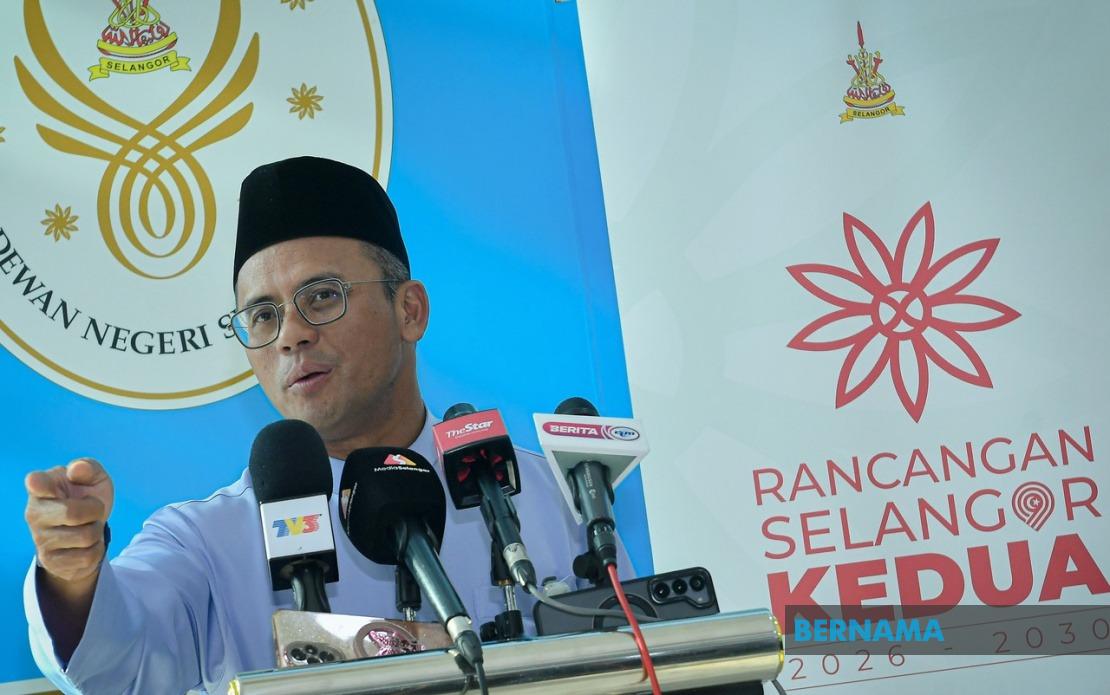
Selangor's government has set its sights on delivering 200,000 affordable residential units through its comprehensive RS-2 initiative, positioning itself as a major player in addressing the state's chronic housing shortage. Menteri Besar Datuk Seri Amirudin Shari announced the target while presenting the programme to the Selangor State Legislative Assembly in Shah Alam, emphasizing the state's commitment to enabling more residents to achieve homeownership—a goal that remains elusive for many middle and lower-income households across the region.
Progress on the ambitious scheme has already been substantial. To date, 64,188 units have reached completion and are occupied by residents, while another 69,014 units are currently in various stages of construction. This brings the cumulative progress to 133,202 units, representing approximately two-thirds of the ultimate target. The scale of this undertaking reflects the persistent demand for affordable housing in Selangor, which continues to grapple with rapid urbanization, migration from other states, and the widening gap between property prices and household incomes.
A distinctive feature of the RS-2 programme is its innovative rental-to-own mechanism, designed to bridge the gap between renters and homebuyers. Under this scheme, the Selangor Housing and Property Board (LPHS) will allocate 30 per cent of tenants' monthly rental payments into an accumulating housing deposit. When participants demonstrate readiness to transition into ownership—whether through improved financial circumstances or the completion of their savings goals—these accumulated funds will be returned to them as a down payment toward purchasing a home. This approach acknowledges the reality that many Selangor residents lack sufficient capital for a conventional property deposit, whilst simultaneously building both equity and financial discipline over time.
The state government recognizes that housing accessibility extends beyond affordability and ownership structure. A critical dimension of livability involves proximity and convenience relative to employment centers and essential services. To this end, Selangor plans to significantly enhance public transportation connectivity across all affordable housing developments. The frequency of services to local Light Rapid Transit (LRT) and Mass Rapid Transit (MRT) stations will be increased, reducing commute times and making car-dependent living less necessary for residents.
Physical walkability represents another strategic priority embedded within the RS-2 framework. The state is committed to constructing covered walkways at every transit station, addressing Malaysia's tropical climate challenges that often deter pedestrian access. Beyond these corridor investments, every Rumah Selangorku Harapan and Rumah Selangorku Idaman development—the designated affordable housing brands under RS-2—will be required to incorporate dedicated bus stops. This planning requirement ensures that even residents in more peripheral housing estates retain reasonable access to public transport without depending on personal vehicles.
The technological dimension of this planning approach underscores Selangor's ambitions to employ data-driven governance. Transport planners will utilize advanced analytics to identify traffic hotspots, major pedestrian gathering points, and the precise locations of housing estates throughout Selangor. This granular mapping will enable planners to determine optimal placement for smaller bus stops within residential areas, maximizing accessibility while managing operational costs—a pragmatic balance for sustaining long-term service viability.
Beyond housing and mobility, the state government is developing a comprehensive monitoring framework to evaluate the broader impact of its household assistance programmes. A newly established statistical unit will construct what officials term a "household index," designed specifically to measure whether state support initiatives are effectively improving residents' material circumstances. The index will employ periodic assessments conducted at 12-month and 24-month intervals, allowing policymakers to track beneficiary progress over time and identify programme elements requiring adjustment or enhancement.
This multifaceted approach reflects an understanding that sustainable affordable housing is not merely about unit production but about fostering integrated communities with employment accessibility, reliable public services, and pathways toward financial stability. The convergence of housing development, public transport enhancement, and household welfare tracking suggests a holistic vision—one that treats housing as embedded within broader urban and social systems rather than as an isolated commodity.
For Malaysian policymakers and regional observers, Selangor's RS-2 programme offers instructive lessons about scaling affordable housing in rapidly urbanizing contexts. The combination of conventional construction targets with financial innovation (rent-to-own mechanisms), infrastructure coordination (transit-oriented development), and evidence-based monitoring indicates a sophisticated approach to a problem that has vexed other Malaysian states and Southeast Asian cities. Whether execution matches these ambitious designs—particularly given construction timelines, contractor reliability, and fiscal sustainability—will be closely watched by other jurisdictions wrestling with similar housing crises.

