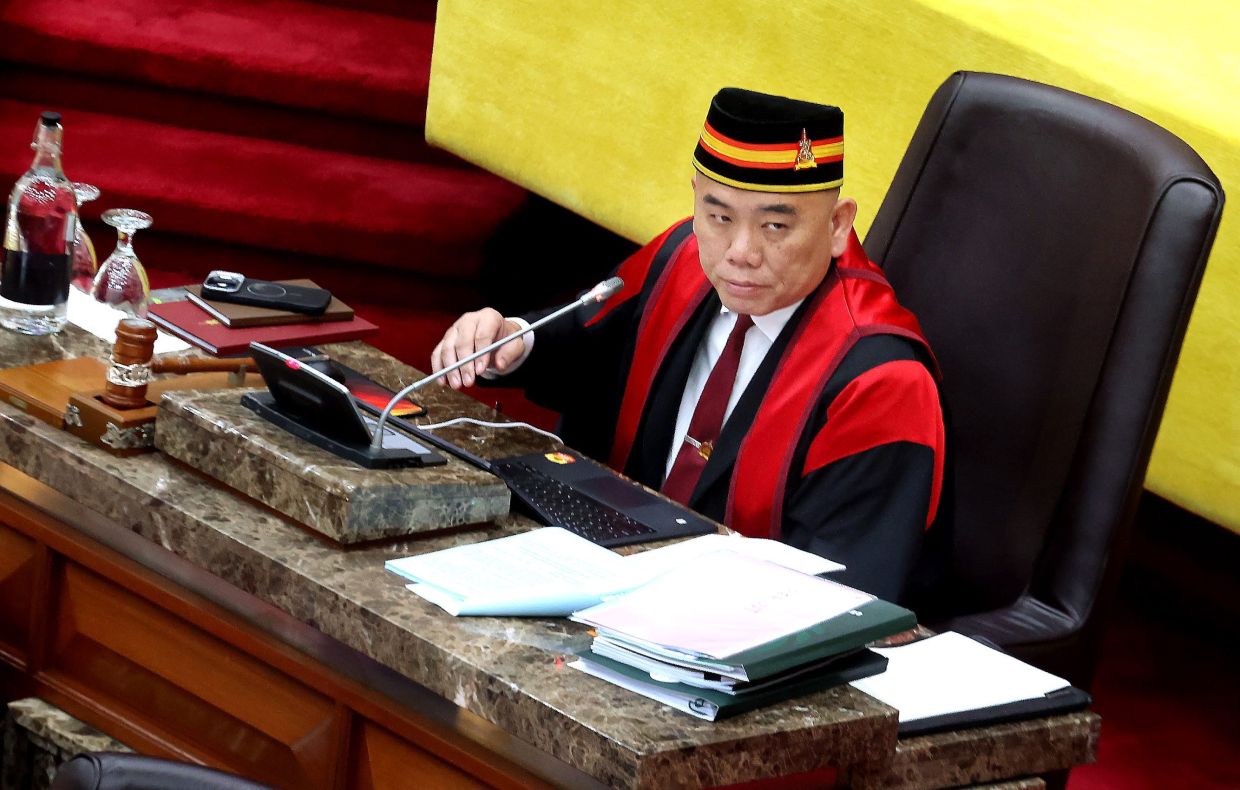
A Selangor state assemblyman faces a formal inquiry following allegations that he has been declared bankrupt, according to Speaker Lau Weng San, who disclosed the ongoing investigation during Monday's sitting of the Selangor State Legislative Assembly at Bangunan Dewan Negeri Selangor on August 3. The Speaker has declined to identify the lawmaker in question, opting instead to allow the investigative process to unfold without premature disclosure or speculation.
Lau emphasized that the inquiry encompasses a comprehensive scope extending beyond the individual under scrutiny. The probe will examine involvement across all relevant constituencies, consult with every affected party, and review any other aspects bearing on the matter. This measured approach underscores the gravity with which state leadership is treating the allegations, particularly given the constitutional implications surrounding a legislator's eligibility to serve. The Speaker stressed the importance of thoroughness, cautioning against rushing to conclusions before all evidence has been properly examined.
While Lau stopped short of providing a timeline for the investigation's conclusion, he made plain that determining the truth requires careful deliberation. "We have to be sure of everything first. We cannot make any assumptions," the Speaker told reporters, reflecting the institutional caution necessary when addressing potential breaches of legislative standards. This restraint, though potentially frustrating for those seeking immediate clarity, aligns with established protocols designed to protect the integrity of both the investigative process and the accused party until facts are conclusively established.
A critical question regarding the seat's status concerns the remedial steps available should the allegations prove substantiated. Lau deferred this responsibility to the Election Commission, clarifying that if bankruptcy allegations materialize as demonstrated facts, the electoral body would determine whether a by-election becomes necessary. This division of authority between the legislative and electoral branches reflects constitutional safeguards preventing any single institution from wielding unilateral control over matters affecting parliamentary representation.
The investigation's discretion extends to questions about attendance patterns within the chamber. When pressed on whether the assemblyman in question had been absent from Monday's proceedings, Lau observed that members miss sittings for legitimate reasons spanning medical emergencies to formal leave arrangements. This distinction matters significantly under Selangor's constitutional framework, which does not automatically penalize periodic absences justified by reasonable circumstances.
Seat vacancy procedures in Selangor follow statutory timelines that offer substantial protection against arbitrary removal. According to the Selangor State Constitution, a legislator's position becomes eligible for declaration as vacant only after that member has failed to attend assembly sittings consecutively for six months without providing formal notice or obtaining official leave. This half-year threshold reflects an attempt to balance parliamentary accountability with fairness toward elected representatives who may face temporary obstacles to attendance.
The Harumaini Omar precedent illustrates how these constitutional provisions operate in practice. The former Batang Kali assemblyman's seat was declared vacant on February 16, 2023, following his sustained non-attendance across a period exceeding six months without permission. This case demonstrates that the constitutional mechanism exists not as a theoretical safeguard but as an instrument actively deployed when circumstances warrant formal invocation.
Bankruptcy allegations carry particular constitutional weight in Malaysian legislative contexts, where such status has historically triggered eligibility questions across federal and state parliaments. Should the Selangor investigation confirm bankruptcy proceedings against the assemblyman, this would engage not merely administrative concerns but fundamental questions about an elected representative's fitness to hold public office. The constitutional implications thus transcend matters of simple attendance or procedural compliance.
The investigation's complexity may also reflect political sensitivity within the Selangor administration, where coalition dynamics and factional considerations occasionally complicate responses to disciplinary matters. Lau's carefully calibrated statements suggest an effort to navigate between transparency and procedural propriety, ensuring that neither premature disclosure nor excessive secrecy undermines public confidence in institutional processes. For Selangor constituents and the broader Malaysian political community, this deliberate pace represents both a commitment to fairness and an implicit acknowledgment that integrity in governance cannot be sacrificed for speed.
The outcome will likely set precedent for how Selangor handles similar situations moving forward, potentially influencing approaches adopted by other state assemblies grappling with comparable questions about legislator eligibility and constitutional compliance. Until the investigation concludes and findings become public, the matter remains in investigative limbo, with parliamentary procedures and electoral protocols standing ready to accommodate whatever recommendations emerge from the probe.

