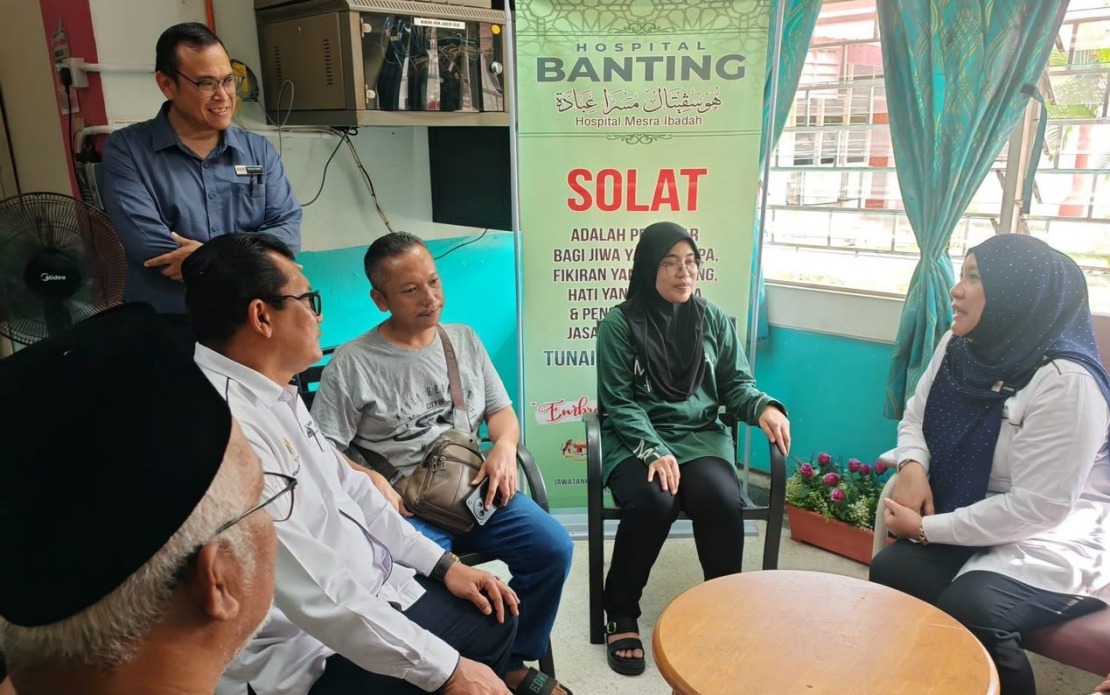
The director of the Selangor State Education Department, Wan Nor Ashikin Abu Kassim, made a compassionate visit to a young female student recovering from a serious stabbing attack at Banting Hospital on July 7. The student, a Form Three pupil, was injured during an incident at a secondary school in Kuala Langat, one of Selangor's districts. The departmental visit underscores the gravity of the incident and the commitment of state education authorities to support affected families during traumatic circumstances.
According to accounts from the victim's father, the 15-year-old girl sustained devastating injuries that included a punctured lung and a total of 16 stab wounds across her body. The severity of these injuries highlights the violence involved in the attack and the life-threatening nature of her condition. Medical teams at the hospital have been managing her recovery, and the extent of the trauma she endured has prompted widespread concern within both the school community and broader society.
During the hospital visit, Wan Nor Ashikin spent time with the injured student while she remained under medical care. Beyond the student herself, the department's leadership also engaged directly with her parents, a gesture intended to convey institutional concern and solidarity during an extraordinarily difficult period for the family. Such visits from high-ranking officials carry symbolic weight, demonstrating that the education system and government are actively engaged with those affected by school-based violence.
The Selangor JPN released a statement through its official Facebook channel expressing solidarity with the family and outlining its commitment to coordinated support. The department articulated its intention to work cooperatively with multiple stakeholders including the family, medical professionals at the hospital, and various government agencies involved in responding to the incident. This multi-agency approach reflects recognition that school safety incidents require comprehensive institutional responses spanning education, law enforcement, health, and social support sectors.
In its public messaging, the education department offered prayers for the student's complete recovery and pledged to facilitate solutions to ease the family's burden throughout the healing process. The language employed emphasised compassion and commitment rather than focusing narrowly on procedural or administrative matters, reflecting an awareness that families affected by such violence require emotional reassurance alongside practical support.
Meanwhile, developments in the criminal investigation have progressed significantly. The individual suspected of carrying out the stabbing has been apprehended and detained by police authorities. As of July 7, this suspect was remanded in police custody for a four-day period to facilitate ongoing investigative procedures. The relatively rapid detention underscores law enforcement's swift response to the incident and commitment to establishing facts and securing the person involved.
The incident raises troubling questions about school safety and security protocols in Malaysia's educational institutions. While schools occasionally experience conflicts and disciplinary challenges, incidents involving weapons and causing severe physical harm represent an exceptional and deeply concerning category of school-based violence. The fact that a student could sustain such catastrophic injuries within a school environment has prompted reflection on whether existing safeguarding measures are adequate.
For Malaysian parents and educators, the Banting stabbing serves as a sobering reminder that schools, despite being intended as protected spaces for learning and development, remain vulnerable to serious breaches of safety. The incident occurs against a backdrop of periodic reports of school violence across the country, though cases involving such life-threatening injury levels remain relatively uncommon. Nevertheless, each occurrence amplifies public concern about whether institutional protections are sufficient.
The response from the Selangor JPN also reflects a broader government imperative to demonstrate responsiveness to school incidents. When educators, health authorities, and civil servants visibly engage with affected families, it can help restore public confidence in institutional capacity to address crises. However, such gestures must be accompanied by substantive policy measures and preventative strategies to meaningfully reduce the risk of future incidents.
Looking ahead, this case will likely prompt discussions among education policymakers regarding security infrastructure in schools, staff training in conflict de-escalation, and mental health support systems. Malaysian schools operate within a unique context where cultural diversity and large student populations sometimes create complex social dynamics. Addressing these dynamics constructively while maintaining secure physical environments represents an ongoing challenge for administrators and policymakers.
The family of the injured student, along with the broader school community in Banting and across Selangor, will require sustained support as the investigation proceeds and the student undertakes recovery. The department's commitment to cooperation with relevant agencies suggests that institutional resources will remain engaged with this case beyond the immediate aftermath. For Malaysian society more broadly, the incident serves as a reminder of the importance of investing in comprehensive school safety frameworks that balance security with the maintenance of welcoming, nurturing educational environments.

