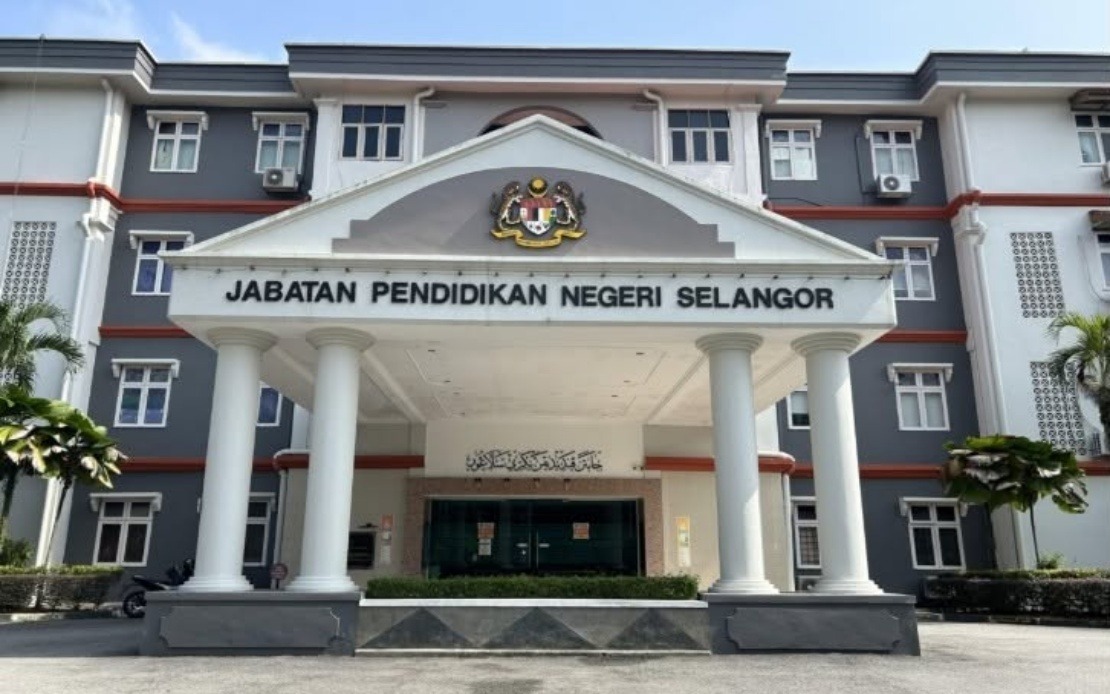
The Selangor State Education Department has committed to providing complete cooperation in investigating an alleged bullying incident involving secondary school students in Rawang that captured public attention through social media circulation. The commitment signals the state authority's determination to address school safety concerns with appropriate seriousness, particularly when misconduct cases gain viral traction and provoke community concern about student welfare.
In a formal statement released from its Shah Alam headquarters, the education department emphasised that its investigation would proceed without favour or protection for any individuals implicated in the matter. This position reflects a broader commitment to maintain institutional impartiality when handling disciplinary cases within the school system, ensuring that accountability mechanisms function consistently regardless of student background or social connections.
The department indicated that enforcement action would follow established regulatory procedures and protocols governing student misconduct. This adherence to formal channels underscores the importance of maintaining procedural integrity throughout investigations, which protects both the rights of accused students and the credibility of disciplinary outcomes. By anchoring responses to existing rules rather than ad hoc responses, authorities aim to demonstrate consistent application of standards across the school system.
A video documenting the alleged bullying incident circulated through social media platforms, generating considerable public discussion and concern about school safety standards. The viral nature of such content has increasingly shaped how educational authorities respond to misconduct allegations, with digital amplification creating pressure for swift and transparent action. For Malaysian schools, this dynamic reflects a broader shift in how communities engage with institutional accountability, where social media dissemination can accelerate official responses beyond traditional timelines.
The Selangor JPN framed the matter as involving student misconduct that threatens the physical and psychological safety of the broader school population. This characterisation positions bullying not merely as interpersonal conflict requiring mediation, but as institutional misconduct requiring formal investigation and disciplinary response. Such framing has become more prominent in Malaysian education discourse, reflecting growing recognition that unchecked bullying creates hostile environments affecting academic achievement and mental health outcomes.
The investigation's involvement of police authorities indicates that officials assessed the allegations as potentially serious enough to warrant law enforcement examination. This escalation beyond purely administrative school-level handling suggests the incident may involve physical harm or threats requiring criminal investigation. For schools navigating increasingly complex cases, determining when to involve police rather than relying solely on internal discipline has become a significant decision point affecting outcomes and institutional liability.
The department's public statement requesting community patience with the investigation process reflects awareness that viral incidents generate pressure for rapid conclusions. By explicitly appealing for respect toward proper investigative procedures, authorities signal that rushing judgment could compromise the integrity of findings or prejudice fair outcomes for students involved. This measured approach acknowledges that premature public verdicts can interfere with fact-finding processes and complicate subsequent disciplinary actions.
For Malaysian schools more broadly, the Rawang incident exemplifies challenges education systems face in the digital age, where misconduct documentation and rapid dissemination can transform isolated incidents into matters of public controversy. Schools increasingly must navigate simultaneous pressures: ensuring genuine accountability, protecting student privacy, responding to community concern, and maintaining procedural fairness. The Selangor JPN's response demonstrates one approach to managing these competing demands through transparent commitment to investigation while emphasising adherence to established protocols.
The case also reflects evolving expectations around school bullying response. Malaysian parents increasingly expect educational institutions to treat bullying as serious misconduct rather than normal adolescent interaction. This shifting cultural perspective, partly driven by social media awareness and tragic outcomes in other jurisdictions, means schools must demonstrate substantive action addressing root causes rather than merely punishing individual incidents. The JPN's emphasis on taking misconduct seriously attempts to reflect this elevated community expectation.
Regional context matters here as well. Southeast Asian countries have increasingly grappled with school bullying issues, with social media enabling wider documentation and discussion of incidents previously addressed quietly within school systems. Malaysia's response patterns influence how neighbouring countries approach similar cases, contributing to gradual norm-setting around acceptable institutional responses. The Selangor JPN's commitment to investigation and accountability reflects broader regional movement toward transparency in handling student safety matters.
Moving forward, the investigation's outcome will likely influence how schools across Selangor approach similar incidents. If authorities demonstrate thorough investigation and proportionate consequences, it may build institutional credibility around bullying response. Conversely, if investigations appear incomplete or consequences insufficient, communities may lose confidence in school-based accountability systems. This outcome-dependent dynamic means the specific findings matter beyond the individual case, affecting broader school safety culture throughout the state.

