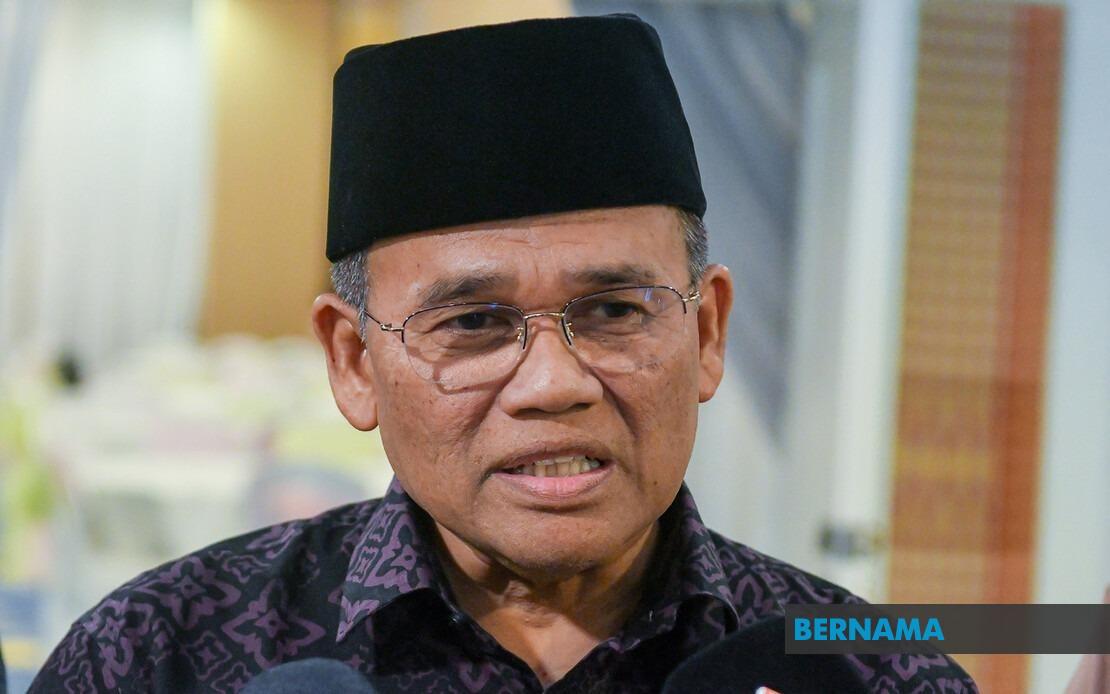
The Selangor Islamic Religious Council (MAIS) has provided clarification regarding the authorization granted to conduct Friday prayers at the Musala IOI City Mall in Putrajaya, confirming that the approval took effect from September 6, 2024. The decision followed a formal assessment undertaken by the Selangor State Mosque and Surau Governance Committee (JATUMS) and received explicit endorsement from the Sultan of Selangor, Sultan Sharafuddin Idris Shah.
According to MAIS chairman Datuk Salehuddin Saidin, the authorization was provided after a thorough evaluation established that the shopping mall premises houses a substantial workforce of male Muslim employees and attracts considerable numbers of Muslim patrons. This concentration of Muslim occupants and visitors created demonstrable challenges in accessing existing Friday prayer facilities within reasonable proximity, prompting the council to consider alternative arrangements for religious observance.
The geographical reality presented a significant obstacle to conventional worship arrangements. The two nearest mosque facilities serving the IOI City Mall area are positioned at considerable distances: Masjid Al-Mustaqim Kampung Dato' Abu Bakar Baginda sits approximately 7.6 kilometres away, while Masjid UNITEN in Kajang is located roughly 7.7 kilometres distant. For workers and visitors seeking to fulfil their weekly Friday prayer obligation during working hours, such distances rendered practical attendance problematic, particularly within the time constraints of a standard working day.
Beyond the issue of distance, the existing mosques lacked the physical capacity necessary to accommodate the expected volume of congregants. Both facilities face capacity constraints that would make it impossible to serve the concentrated Muslim population present at IOI City Mall during peak prayer times. This structural limitation on available mosque infrastructure in the vicinity formed a critical component of MAIS's justification for authorizing the temporary musala arrangement.
Crucially, MAIS has emphasized that this authorization carries a strictly temporary character and operates under specific conditions. The council has stipulated that the permission to conduct Friday prayers at the IOI City Mall musala will automatically terminate once a purpose-built mosque facility is completed in proximity to the premises and becomes operational. The temporary nature of this approval reflects the council's position that prayer facilities at shopping centers represent interim solutions rather than permanent alternatives to dedicated mosque infrastructure.
The distinction between the temporary authorization now in place and the broader policy framework is important for understanding Selangor's approach to religious facilities in commercial spaces. In a statement issued on Tuesday, Salehuddin clarified that Sultan Sharafuddin has not granted general consent for suraus or musalahs in shopping centers across the state to conduct Friday prayers as a matter of routine practice. The sultan's authorization applies specifically to the IOI City Mall situation, where exceptional circumstances of worker concentration and distance from existing facilities justified a deviation from standard policy.
The acknowledgment that currently only one surau or musala at a shopping center in Selangor has received permission to conduct Friday prayers demonstrates the restrictive application of this exception. The IOI City Mall arrangement represents a carefully circumscribed accommodation of practical religious needs rather than an opening toward commercialized prayer spaces as standard worship venues. This measured approach reflects the religious authorities' desire to balance accessibility with the principle that mosques should remain the primary institutional framework for Muslim congregation and worship.
Moving forward, MAIS and the Selangor Islamic Religious Department (JAIS) have committed to maintaining oversight of how Friday prayers are managed and implemented throughout the state. This supervisory role extends across all approved prayer facilities, with specific emphasis on ensuring that operations comply with Islamic jurisprudence and relevant legal statutes. The councils' involvement signals an intention to prevent any slippage toward unauthorized or unregulated prayer activities that might operate outside the established framework.
For the broader Malaysian context, this case illustrates the ongoing tension between traditional religious infrastructure and contemporary workplace demographics. As shopping malls and commercial complexes house increasing numbers of workers and attract diverse populations, religious authorities face practical demands that existing mosque systems may not adequately serve. The Selangor approach—granting temporary, monitored exceptions while maintaining a clear long-term vision of mosque-centered worship—reflects an attempt to navigate these tensions without undermining established religious institutions.
The decision also underscores the continuing importance of religious governance structures in shaping public accommodation of faith practices. The involvement of JATUMS, MAIS, JAIS, and the sultan's office demonstrates that even pragmatic, temporary measures affecting Muslim worship require formal authorization through established Islamic institutions. This bureaucratic caution, while sometimes appearing cumbersome, serves to prevent informal fragmentation of religious authority and maintains centralized oversight of how Islamic observance is facilitated in the state.
For Selangor's Muslim workforce and the management of IOI City Mall, the authorization provides a concrete solution to a genuine accessibility problem. Male workers can now fulfill their Friday prayer obligation without leaving the commercial premises, and the arrangement includes implied assurances that proper Islamic protocol will be observed. However, this approval should be understood within its strict parameters: a temporary remedy addressing a specific situation, not a precedent for routine Friday prayers at shopping facilities.

