Selangor has identified rail transportation as one of its most promising future industries, with the state accounting for between 63 and 67 percent of the nation's rail operations and corporate headquarters. This concentration makes the sector a natural strategic focus for the state government's economic development plans, particularly as Southeast Asia's urban centres increasingly demand sophisticated public transport infrastructure. The emergence of rail as a high-value industry creates substantial employment opportunities across multiple skill levels, from engineering and project management to operations and maintenance, making it an attractive career pathway for the state's growing workforce.
Mentri Besar Datuk Seri Amirudin Shari has made clear that Selangor's commitment to the rail sector extends beyond infrastructure investment to include systematic development of human capital. During an official ceremony at Universiti Tun Hussein Onn Malaysia (UTHM) in Sungai Buloh on August 19, Amirudin emphasised that the state would intensify its focus on training and education initiatives designed to cultivate homegrown expertise. This approach reflects a broader understanding that infrastructure projects succeed only when supported by a pipeline of qualified professionals capable of managing complex modern rail systems. Rather than relying on imported expertise, Selangor aims to build sustainable competitive advantage by developing local talent.
To operationalise this vision, the state has established the Selangor State Rail Council, a coordinating body designed to develop deeper insights into the rail industry's structure, supply chains, and skills requirements. The council serves as a formal mechanism for government, educational institutions, and private operators to align their strategies around workforce development. By mapping the industry's actual needs and gaps, the council can guide educational programmes toward producing graduates with skills that directly match employer demands, reducing the mismatch between training outputs and job market requirements that often plagues vocational education systems.
A significant milestone in this effort came with the official rebranding of Metro System Academy (MSA UTHM) to RailX, a move that signals the institution's expanded role as the state's primary training hub for rail sector professionals. MSA UTHM operates through a strategic partnership between UTHM and Mass Rapid Transit Corporation (MRT Corp), positioning it at the intersection of academic rigour and industry practice. The academy provides workers and students with comprehensive training in modern rail operations, public transport management, and emerging mobility technologies, ensuring that graduates understand not just historical rail practices but the evolving landscape of smart, integrated transport systems.
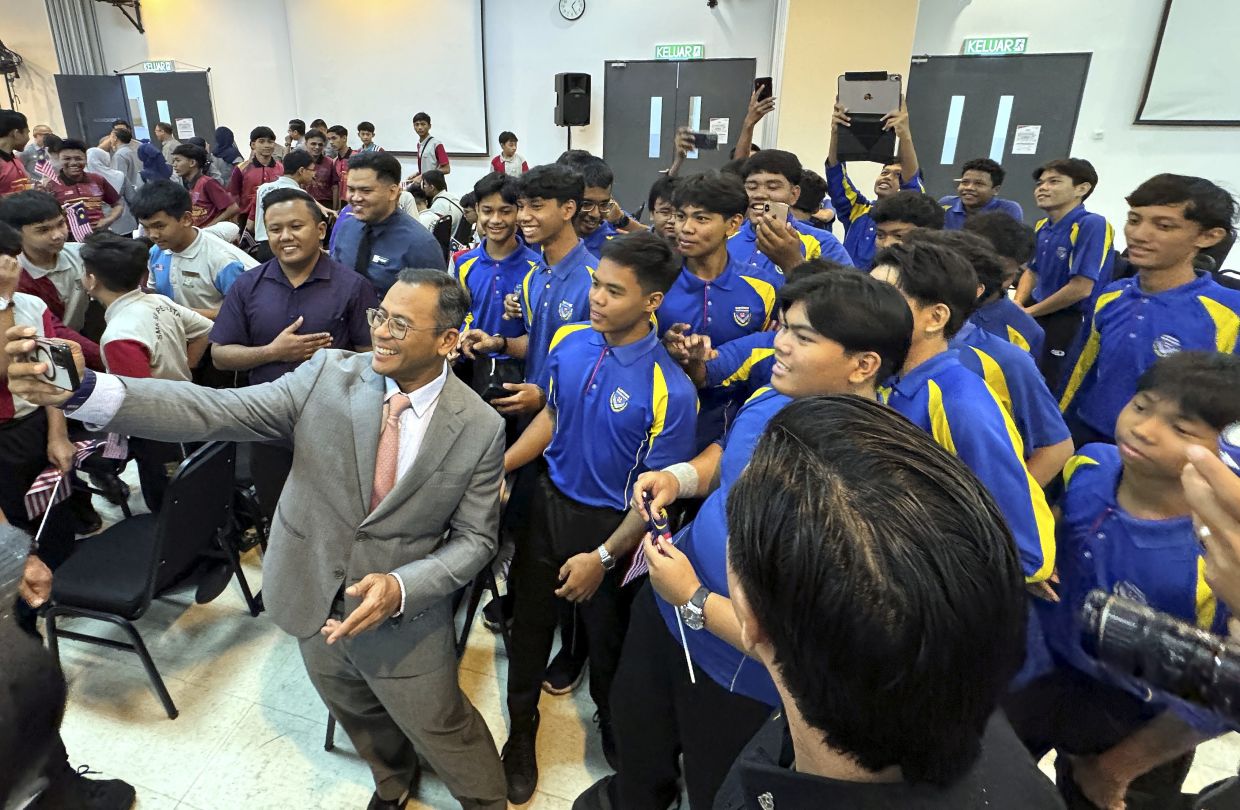
Aligned with this institutional strengthening, UTHM launched an interactive treasure hunt programme that will engage secondary school students from ten districts across Selangor. The initiative takes participants through selected MRT stations in Gombak, Petaling, Hulu Langat, Sepang, Klang, Sabak Bernam, and Kuala Selangor, offering hands-on exposure to rail operations and career opportunities. Such early engagement is crucial for inspiring younger Malaysians to consider rail sector careers before they make tertiary education choices. By demystifying the industry and showcasing its modern, technology-driven nature, the programme counters perceptions that rail work is purely manual or outdated.
The Mentri Besar positioned these initiatives within the framework of Malaysia Education Plan 2026–2035, underscoring how workforce development in rail aligns with national education strategy. The treasure hunt and related outreach activities serve as strategic interventions to introduce the train industry to high school students at a formative moment in their educational journeys. This approach recognises that awareness and interest must be cultivated early; by the time students reach university, many have already narrowed their career aspirations based on limited information about available opportunities. Early exposure through engaging, experiential learning can broaden horizons and fill talent pipelines.
Selangor's expansion of rail infrastructure—encompassing the LRT3, East Coast Rail Link (ECRL), and MRT lines—creates both immediate and long-term demand for skilled professionals. The state government is acutely aware that these projects' success depends not merely on capital investment but on the quality of human resources managing design, construction, operations, and maintenance. Amirudin stated explicitly that Selangor is committed to developing a skilled local workforce capable of staffing this rapidly expanding public transport ecosystem, with MSA UTHM functioning as a cornerstone institution offering professional certification, reskilling, and upskilling programmes tailored to the rail sector's specific requirements.
The broader ecosystem supporting this workforce development strategy includes the Selangor Technical Skill Development Centre (STDC), which functions as a pathway accelerator for technical and vocational education. By providing basic and intermediate training, STDC feeds graduates into higher-level programmes at UTHM through structured articulation pathways. Students completing diploma or bachelor's degrees in rail-related fields emerge with credentials that are immediately relevant to employers, while the pathway structure removes traditional barriers between vocational and academic education. This integration reflects international best practice in technical skills development, where multiple entry and exit points allow workers to progress throughout their careers based on evolving circumstances and ambitions.
The collaborative model underpinning Selangor's rail strategy exemplifies what policymakers describe as triple helix synergy—effective partnership between government, universities, and industry operators including MRT Corp and Rapid Rail. Rather than each sector pursuing independent agendas, this structured collaboration ensures alignment between policy, research, training, and operational requirements. Government sets strategic direction and facilitates coordination; universities provide pedagogy and credentials; industry partners contribute expertise, equipment access, and employment pathways. Workers trained through this ecosystem understand industry standards from day one, reducing onboarding time and enhancing productivity.
The implications of Selangor's rail strategy extend beyond the state itself. As Malaysia's most developed and economically significant state, Selangor's approach to workforce development often becomes a template for other regions. If successful, the Selangor model—combining infrastructure investment with systematic skills development, institutional partnerships, and early engagement of young people—could be replicated across Peninsular Malaysia's other major urban centres. For the region, Selangor's experience offers valuable lessons in building sustainable competitive advantage in infrastructure-heavy sectors where human capital quality ultimately determines project outcomes.
Looking forward, the success of these initiatives will depend on sustained commitment beyond the initial enthusiasm phase. Maintaining connections between educational institutions and employers, ensuring curricula remain current as technologies evolve, and creating career progression pathways that retain talent within the industry will require ongoing effort and resource allocation. However, Selangor's established commitment, institutional infrastructure, and explicit acknowledgement of rail as a strategic industry suggest the state recognises the long-term nature of the challenge. By combining policy attention with concrete institutional investments and community engagement, Selangor is positioning itself to develop the world-class rail workforce that modern Southeast Asian transport systems require.

