%22%2F%3E%3C%2Fpattern%3E%3C%2Fdefs%3E%3Crect%20width%3D%22100%25%22%20height%3D%22100%25%22%20fill%3D%22url(%23ph2uaj4g)%22%2F%3E%3Crect%20width%3D%22100%25%22%20height%3D%22100%25%22%20fill%3D%22url(%23ph2uaj4p)%22%2F%3E%3Ctext%20x%3D%2250%25%22%20y%3D%2250%25%22%20text-anchor%3D%22middle%22%20dominant-baseline%3D%22central%22%20fill%3D%22rgba(255%2C255%2C255%2C0.95)%22%20font-family%3D%22Georgia%2C%20'Times%20New%20Roman'%2C%20serif%22%20font-weight%3D%22700%22%20font-size%3D%22170%22%20letter-spacing%3D%22-0.02em%22%3ESelangor%3C%2Ftext%3E%3C%2Fsvg%3E)
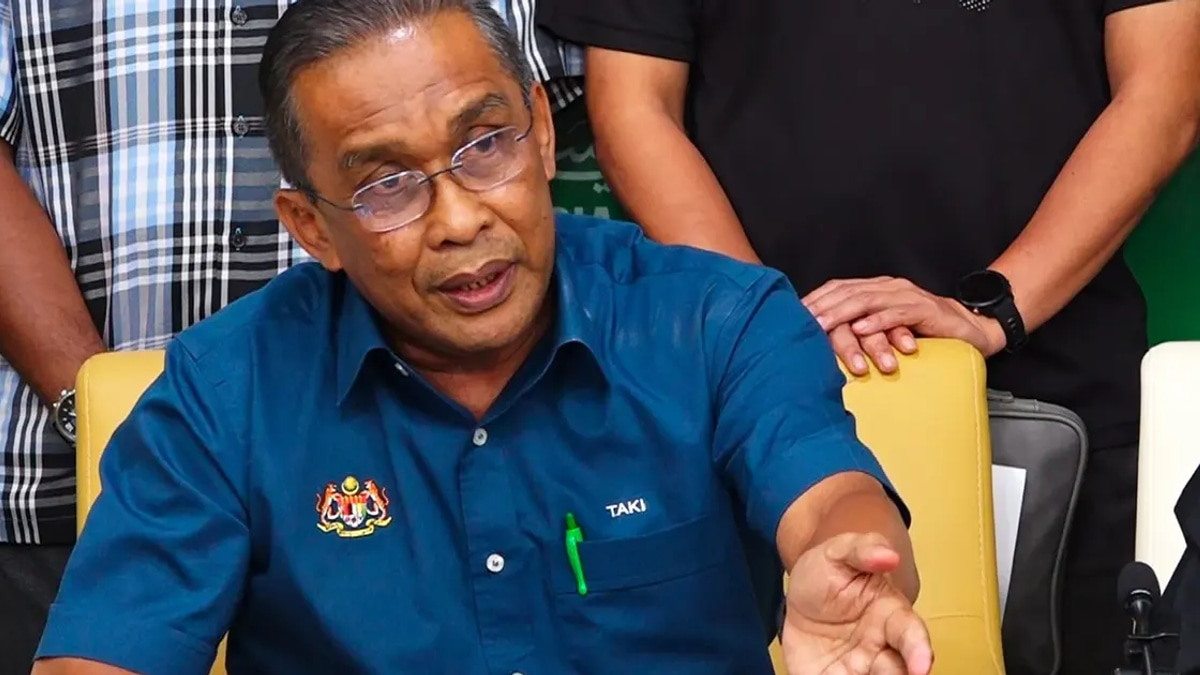
The Selangor State Government is moving to finalise arrangements for land ownership as a critical first step toward developing the Port Klang Third Terminal on Carey Island, a project that has gained backing from Malaysia's top political leadership. Transport Minister Anthony Loke confirmed that the state administration is working closely with the federal Transport Ministry and the private sector to establish the appropriate contractual framework for what promises to be one of Southeast Asia's most significant port infrastructure undertakings.
The development will operate through a Build-Operate-Transfer structure, a familiar model in Malaysia's infrastructure landscape that transfers ownership to the state upon project completion. According to Loke, preliminary discussions suggest construction could commence within the current year, though he emphasised that resolving the land tenure question must take priority over the construction timeline. The concession arrangement being studied involves multiple stakeholders, reflecting the complexity of assembling such a substantial maritime facility.
On Carey Island and surrounding areas in Kuala Langat, Selangor Menteri Besar Datuk Seri Amirudin Shari has identified approximately 1,699.68 hectares of developable territory. This comprises 1,011.71 hectares of seabed land currently under the Selangor State Development Corporation's management and 687.96 hectares of coastal land owned by Yayasan Selangor. The presence of multiple land custodians—a common challenge in major Malaysian port projects—requires coordinated negotiation to consolidate titles and clear encumbrances before physical development can proceed.
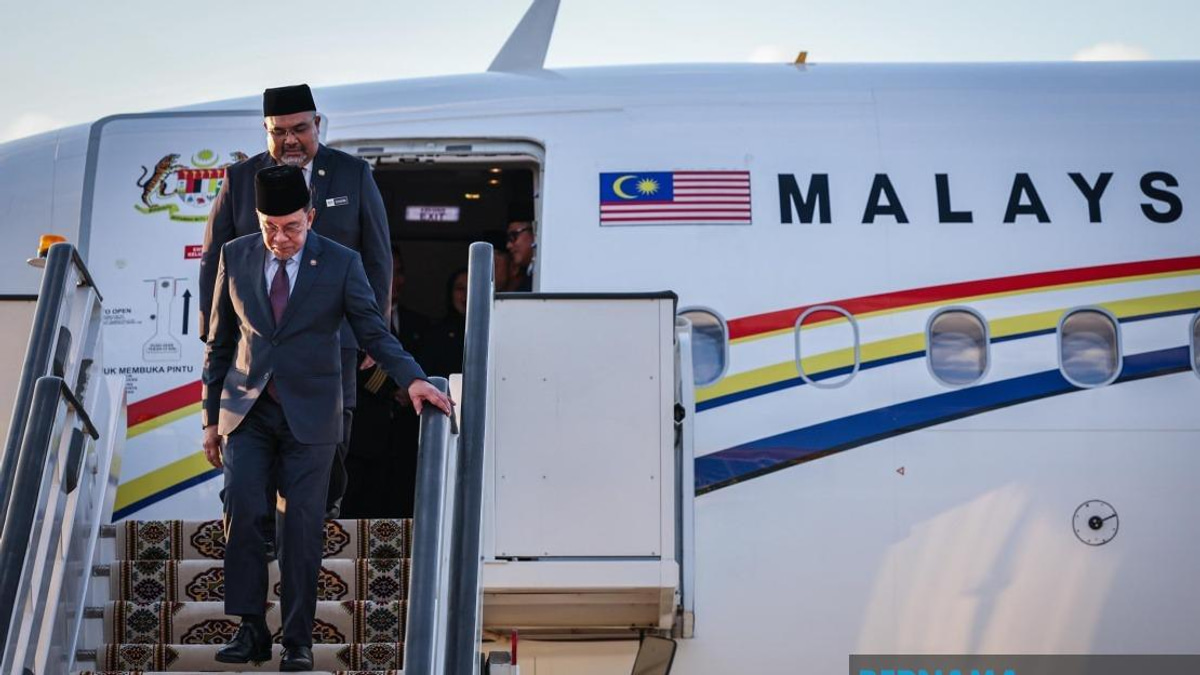
Prime Minister Datuk Seri Anwar Ibrahim has instructed all relevant agencies to accelerate the realisation of this third terminal, signalling the government's determination to advance the scheme despite administrative obstacles. This directive, issued months earlier, reflects recognition that Malaysia's container handling capacity requires expansion to maintain competitiveness within the region's bustling shipping corridors. Port Klang already ranks among Asia's busier ports, and congestion during peak seasons underscores the need for additional berths and logistics infrastructure.
The third terminal represents a strategic response to maritime commerce growth in the Strait of Malacca and broader trends in global container shipping. By expanding Port Klang's capacity, Malaysia aims to capture greater market share of transhipment traffic and enhance its position as a regional logistics hub. The project carries implications for downstream industries—warehousing, distribution, trucking, and manufacturing—that depend on efficient port access. Regional competitors including Singapore, Thailand, and Indonesia have similarly invested in port infrastructure, making capacity expansion a competitive necessity rather than an optional enhancement.
Loke's remarks followed several infrastructure announcements at the Port Klang Free Zone, where recent investments totalling RM566 million have been formalised. The opening of Wisma Golden Horse at Q Centre and expanded rubber manufacturing facilities signal sustained commercial confidence in the broader Port Klang ecosystem. These announcements occur within a wider context of federal initiatives to modernise Malaysia's logistics infrastructure, which includes the port authority's own capital investment programme.
Skilled labour remains another critical factor in executing the third terminal project. To address chronic shortages in heavy vehicle driving and port operations, Loke disclosed that the Port Klang Free Zone and the Armed Forces Ex-Servicemen's Affairs Corporation signed a memorandum of understanding two weeks prior, witnessed by Deputy Prime Minister Datuk Seri Dr Ahmad Zahid Hamidi. This partnership opens pathways for military retirees to transition into logistics and port employment, a demographic possessing discipline and technical competence that could mitigate workforce constraints.
The government previously announced a targeted programme enabling retired military personnel to obtain a Class E heavy vehicle licence, addressing documented shortages among haulage operators. For port operations, such workers could fill roles in cargo handling, equipment operation, and materials management. This initiative reflects acknowledgment that Malaysia's infrastructure expansion creates employment demand that skilled domestic labour must meet; excessive reliance on foreign workers increases operational costs and complicates regulatory compliance.
The third terminal's timeline remains contingent on land settlement progress. Government approvals and policy frameworks are substantially in place, but translating land rights into construction-ready sites requires detailed surveys, title consolidation, and resolution of any competing claims or development restrictions. The concession model under study must define risk allocation, performance standards, and revenue-sharing arrangements acceptable to both public authorities and private operators. These negotiations, though proceeding, typically consume months before execution becomes feasible.
For Malaysian shippers and regional trading partners, the third terminal offers long-term benefits through reduced port congestion, improved turnaround times, and competitive handling charges. Container shipping lines operating the Asia-Europe and intra-Asia routes will gain alternative capacity during peak periods, potentially stabilising service quality. Logistics companies and manufacturing exporters dependent on timely cargo movement stand to gain operational efficiency. However, these advantages materialise only if construction timelines remain credible and commissioning proceeds without substantial delays—a challenge Malaysia has encountered in previous megaprojects.
The Selangor government's role as land custodian gives it significant influence over project economics and execution. Port development in Malaysia historically involves state governments as principal landowners, requiring careful coordination between commercial objectives and regional development priorities. Selangor's willingness to participate in the Build-Operate-Transfer framework suggests state acceptance of private sector operational efficiency, even as public ownership is retained long-term.
Within the regional context, the third terminal positions Malaysia to compete more effectively for container traffic. Singapore's port supremacy remains secure, but Malaysian projects offering cost advantages and reliable capacity can capture incremental volume. The timing of the third terminal's development, coinciding with global supply chain adjustments following pandemic disruptions, suggests strategic alignment with emerging shipping patterns and shipper demand for port redundancy and flexibility.