The Selangor government is making a last push to encourage non-pensioned armed forces and police veterans to claim their RM200 shopping vouchers ahead of an August 31 expiry date, alarmed by the sluggish uptake since the programme launched in late July. With fewer than 500 claims registered from a potential pool of more than 8,300 eligible veterans, the state administration is concerned that many beneficiaries may forfeit their entitlements entirely if awareness remains low in the coming weeks.
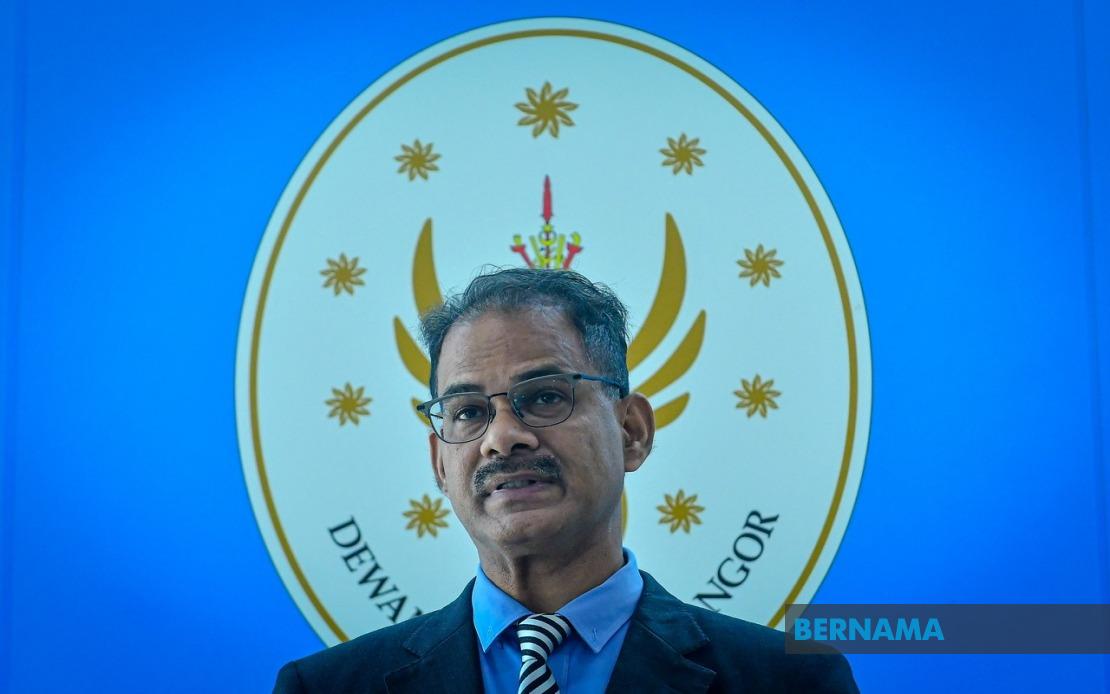
V. Papparaidu, who chairs the state's Human Resources and Poverty Eradication Committee, disclosed the disappointing figures during a press conference at the Selangor State Legislative Assembly in Shah Alam on Wednesday. He acknowledged that the low participation rate stems partly from practical barriers facing the veteran community, particularly those whose contact details have become outdated or who have relocated since their details were registered with state authorities.
To overcome these obstacles, Selangor has relaxed claim procedures, permitting family members or designated representatives to collect vouchers on behalf of eligible veterans. This flexibility recognises the reality that many older veterans may face mobility challenges or simply lack awareness of the initiative. The state is positioning this measure as a pragmatic acknowledgement that administrative processes must bend to accommodate those who served the nation.
The voucher scheme itself requires no formal application process, a deliberate simplification designed to reduce bureaucratic friction. State officials have pre-selected recipients using consolidated lists submitted by the Department of Veterans Affairs and the Royal Malaysia Police, which were then cross-checked against Selangor's own databases and verified through individual state legislative assembly service centres. This means eligible veterans should theoretically only need to present themselves at their local service centre to collect their benefit.
Each voucher carries a value of RM200 and may be spent at participating supermarkets on essential daily goods, though the state has explicitly barred their use for alcohol and tobacco products. The broader initiative represents a RM1.7 million investment from the Selangor administration, reflecting a deliberate policy choice to direct resources towards veterans outside the pensioned system, a sometimes-overlooked demographic within Malaysia's ex-serviceman community.
Papparaidu framed the voucher scheme as more than a simple financial relief measure, casting it instead as a tangible expression of governmental gratitude to those who have made sacrifices for the country. This rhetorical positioning carries political weight in Malaysia, where honouring national service remains a powerful civic value. By emphasising the state's "continued commitment" to veterans' welfare, Selangor signals that recognition of service extends beyond the moment of retirement.
The August 31 deadline creates genuine urgency, yet the modest claim figures suggest communication gaps persist. Many veterans may remain entirely unaware of the initiative, whilst others may harbour doubts about eligibility despite being listed by the Department of Veterans Affairs. The relaxed proxy-claim arrangement addresses one known barrier, yet Selangor's reliance on veterans visiting state legislative assembly service centres assumes a level of mobility and initiative that may not apply uniformly across the eligible population.
For Malaysian readers, this initiative exemplifies broader questions about how government programmes reach vulnerable populations. Veterans, particularly non-pensioned ones, often lack the institutional safety nets available to other groups. Selangor's approach—combining pre-selection with simplified claiming procedures—represents one model for closing this gap, though the low uptake suggests that good intentions and reasonable processes alone may not suffice without aggressive outreach.
The timing also matters. Warriors' Day itself carries cultural significance within Malaysia's defence establishment, making a shopping voucher distribution scheme a symbolic alignment of commemoration with practical support. This pairing attempts to transform what might otherwise be a routine welfare benefit into a gesture of national solidarity.
Looking forward, the Selangor government faces an implicit test. If the August 31 deadline passes with substantial unclaimed vouchers, it will reflect not administrative failure per se, but rather the persistent challenge of reaching marginalised populations, even when benefits require minimal effort to access. For other Malaysian states managing similar veteran populations, the Selangor experience offers both a template and a cautionary tale about the gap between policy design and equitable implementation.

