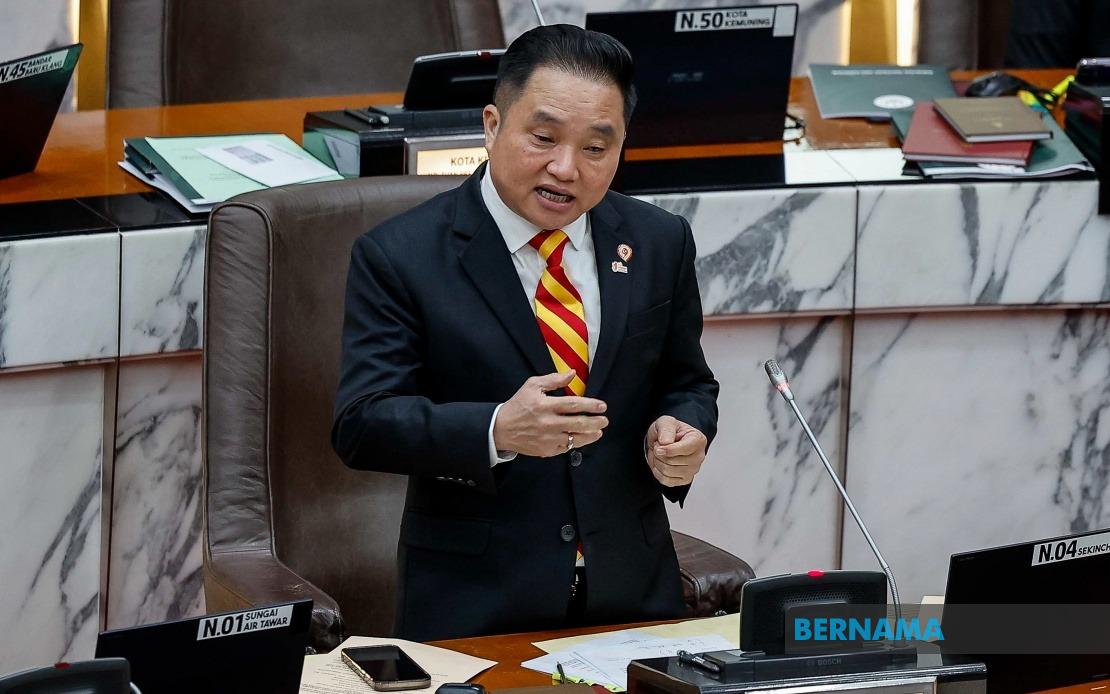
The Selangor state government is moving forward with plans to create an integrated digital platform that will merge the services and complaint mechanisms of all 12 local authorities in the state into one accessible application. Datuk Ng Suee Lim, chairman of the State Local Government and Tourism Committee, announced the initiative during a state assembly sitting, describing it as a strategic response to longstanding complaints about the fragmented nature of municipal services delivery across the region.
The proposal directly addresses a persistent pain point experienced by Selangor residents and businesses who must navigate multiple separate applications and platforms to access different services from various local authorities. Rather than requiring users to download and manage a dozen different apps—each with its own login credentials, payment systems, and interface designs—the unified platform would consolidate everything into a single entry point. This consolidation represents a significant shift towards digital-first governance in Malaysia's most economically developed state, following international trends where metropolitan areas have successfully reduced administrative friction through similar technological integration.
Public feedback, according to Ng, has consistently highlighted the confusion arising from this fragmentation. Citizens and businesses have expressed frustration at not knowing which application to use for specific services, leading to wasted time and reduced uptake of digital government channels. The super app initiative acknowledges these legitimate grievances and frames technological integration as both a convenience measure and a potential driver of higher digital adoption rates across different demographic groups. By consolidating services, the state government expects to lower the barrier to entry for citizens who might otherwise avoid digital platforms entirely due to complexity.
Crucially, the state government has committed to maintaining traditional counter services at local authority offices despite the digital push. This hybrid approach reflects recognition that digital divides remain significant in Malaysia, particularly among senior citizens, rural populations, and those with limited technological literacy or internet access. Rather than viewing the super app as a replacement for face-to-face service delivery, planners are positioning it as an additional channel that coexists with established methods. This inclusive approach strengthens the initiative's viability by ensuring no segment of the population is inadvertently excluded from accessing essential municipal services.
Data security has been identified as a paramount consideration in the platform's development. Ng emphasized that user privacy and confidentiality would receive priority attention, with strict protocols governing how personal information is collected, stored, and protected. Regular monitoring and auditing systems will be implemented to prevent unauthorized disclosure or misuse of resident data. This commitment to security safeguards is particularly important given the sensitivity of information that local authorities collect—property details, payment records, complaint histories, and personal identification data. For Malaysian residents already cautious about digital governance following various data breach incidents in the region, transparent security standards could significantly boost user confidence.
The vetting process for technology vendors has similarly been positioned as rigorous and accountability-focused. Rather than accepting the lowest bidder or rushing development, the state government intends to select only capable providers with proven track records of delivering secure, scalable digital infrastructure. This measured approach reflects lessons learned from government technology projects elsewhere in Southeast Asia, where hasty implementation by inexperienced vendors has sometimes resulted in system failures, security vulnerabilities, and wasted public resources. By emphasizing vendor quality and past performance, Selangor signals its commitment to delivering a functional product rather than simply checking a digital transformation box.
For Malaysian businesses and residents, the implications extend beyond mere convenience. A unified municipal services platform could reduce transaction times, lower compliance costs for business registration and permit renewals, and provide more transparent access to information about local authority requirements and procedures. Small enterprises in particular often struggle with the administrative burden of dealing with multiple local authorities simultaneously. Streamlined access could encourage better compliance while reducing the informal facilitation costs that businesses currently incur when navigating bureaucratic complexity.
The initiative also carries significance for broader digital governance trends across Malaysia. Selangor, as the nation's economic engine and most densely populated state, frequently serves as a testing ground for policy innovations that subsequently influence federal and state-level decisions elsewhere. A successful super app implementation could provide a model that other state governments and federal agencies examine and potentially replicate. This demonstration effect could accelerate digital transformation across Malaysia's public sector, improving service delivery nationally while reducing the administrative overhead that citizens and businesses currently navigate.
Implementation challenges should not be minimized, however. Integrating services from 12 independent local authorities—each with its own legacy systems, databases, regulatory frameworks, and operational procedures—represents a complex technical and organizational undertaking. Coordination between municipal authorities, standardization of data formats, migration of existing records, and staff training across multiple organizations will require sustained commitment and adequate funding. The timeline for full implementation remains undefined, and phased rollouts may prove necessary to ensure system stability and functionality during the transition period.
The super app announcement also reflects how state governments in Malaysia are increasingly leveraging technology to differentiate themselves and improve competitiveness. As residents and businesses evaluate where to live and establish enterprises, the quality of public services and convenience of government interactions become competitive factors. Selangor's investment in this unified digital platform can be understood partly as a strategic initiative to enhance its appeal as a place to do business and reside, particularly among younger, tech-savvy demographics and companies seeking efficient operating environments.
Moving forward, success will ultimately depend on execution quality, ongoing user feedback integration, and sustained political commitment regardless of future electoral outcomes. The super app initiative represents not merely a technological project but a statement about how Selangor's government conceives of its relationship with residents and businesses—as partners deserving efficient, user-friendly interactions rather than subjects required to navigate opaque bureaucratic processes. If realized effectively, this vision could meaningfully improve governance quality across Malaysia's most economically important state.

