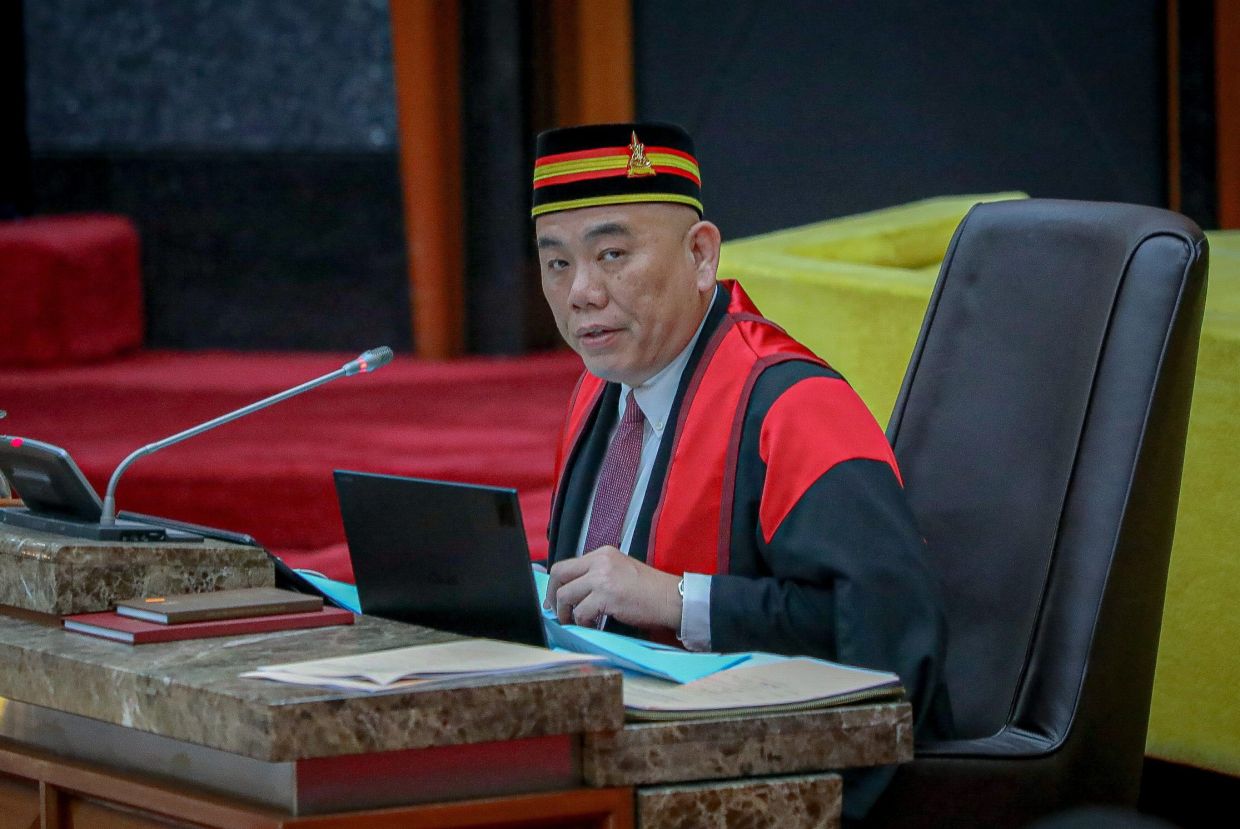
Selangor Speaker Lau Weng San has put to rest weeks of speculation about possible by-elections in the state, confirming during an assembly sitting on Thursday that a comprehensive review has cleared all assemblymen to retain their seats. The announcement comes after earlier concerns were raised when a bankruptcy order against one assemblyman raised questions about seat vacancies, though the High Court subsequently set aside that order.
The review, which concluded on August 10, examined all assemblymen across all political parties represented in the Selangor State Assembly with considerable rigour. Lau emphasised at a press conference that the checks were thorough and multifaceted, looking at every aspect of the matter and involving all representatives. The breadth of the inquiry left no doubt in the minds of observers that the Speaker's office had treated the matter with the seriousness it warranted.
During the same press conference, Lau addressed the recurring issue of absenteeism among state legislators. He announced plans to publish a list of frequently absent assemblymen on social media, bringing greater transparency to attendance patterns. This move reflects growing pressure to ensure that elected representatives are fulfilling their core responsibility to participate in legislative proceedings and represent their constituents' interests in debate and questioning.
The Speaker's office takes a nuanced approach to absences, distinguishing between those who notify the secretariat and those who do not. Lau noted that while there is no legal requirement for assemblymen to inform the secretariat when they cannot attend, doing so demonstrates professionalism and courtesy. He cited the example of the Bandar Baru Klang representative, who had submitted written leave after undergoing surgery and receiving medical advice to rest for a week—a reasonable explanation that the office accommodated.
Data presented by the Speaker indicates that the assembly typically experiences three to five absentees at each sitting. While this might seem modest, Lau stressed the consequences of non-attendance. Assemblymen who are absent miss critical opportunities to raise questions about government policies, receive direct responses from the executive, make legislative proposals, and absorb important announcements during winding-up speeches. These moments form the essence of parliamentary accountability and constituent service.
In an innovation aimed at managing time more efficiently, Lau noted that state executive councillors may choose not to address questions raised by absent assemblymen during their winding-up sessions. This decision ostensibly preserves time for those members who have made the effort to be present, creating a subtle incentive for better attendance. The approach balances flexibility with accountability, encouraging representatives to prioritise their legislative duties.
The Speaker's office has also sought to reframe expectations around assembly participation. Lau reminded assemblymen that the Selangor State Assembly convenes only three times annually, with each sitting lasting approximately two weeks or fewer. Given the limited number of sessions, the opportunity cost of missing even one meeting is substantial. This argument carries particular weight for a body that operates with such infrequent scheduling compared to the demands on elected officials' time.
To help assemblymen plan their calendars, Lau urged legislators to schedule constituency events, meetings, and other non-urgent commitments outside assembly periods. He acknowledged that genuine emergencies—such as deaths requiring immediate burial—warrant exceptions to this expectation. However, he suggested that with proper planning, most scheduling conflicts could be avoided. The Speaker also noted that even partial attendance counts; assemblymen who arrive late but still participate in portions of the sitting are recorded as present.
The financial implications of attendance were clarified when Lau confirmed that assemblymen receive daily allowances for their participation. Morning sessions attract an attendance allowance of RM200, while afternoon sessions yield RM150. These payments, though modest by comparison to some jurisdictions, represent a recognition of the time commitment required for legislative service and provide a tangible benefit to those who fulfil their obligations.
The broader context of these announcements reflects growing concerns across Malaysian state assemblies about the quality and consistency of legislative participation. In Selangor, Malaysia's wealthiest and most politically significant state, maintaining high standards of accountability and representation carries particular importance. The Speaker's multi-pronged approach—clarifying ground rules for absence, publishing absentee lists, and framing the limited number of assembly sittings—represents an effort to elevate parliamentary culture without resorting to punitive measures.
For Malaysian observers watching state-level governance, the Selangor developments underscore the tension between accommodating legitimate demands on elected officials' time and maintaining the integrity of legislative institutions. The Speaker's office has attempted to strike a balance, but the effectiveness of these measures will ultimately depend on whether assemblymen internalise the message about their core responsibilities and adjust their behaviour accordingly.

