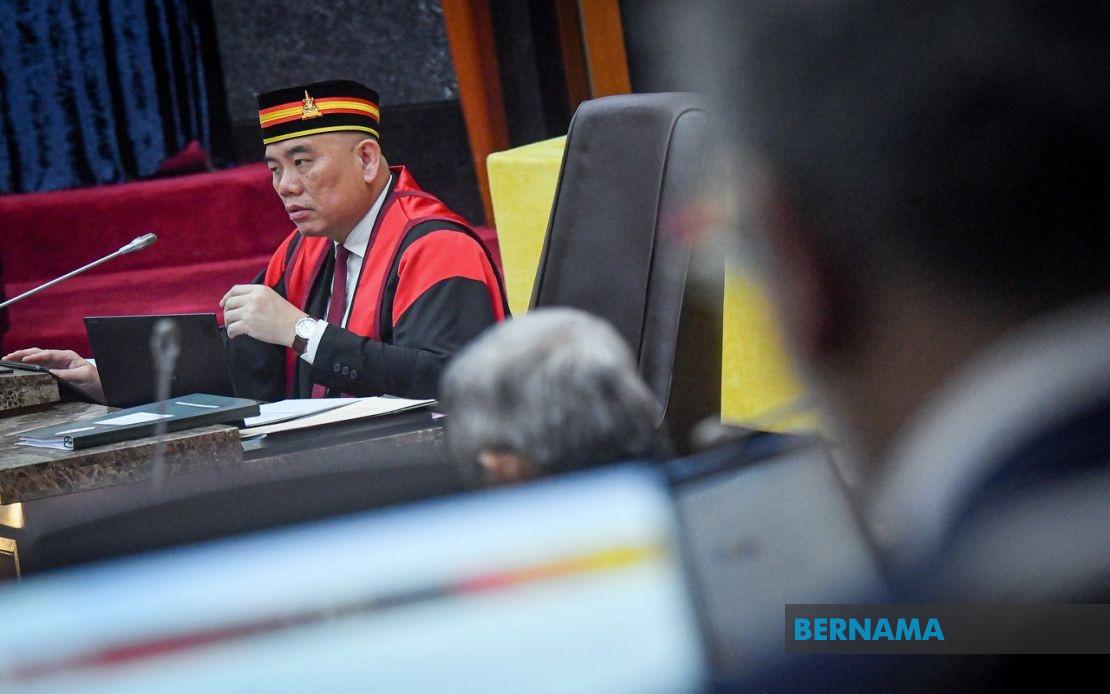
Selangor's Speaker Lau Weng San is methodically assessing the standing of all state assemblymen regardless of their political alignment, with a decision on potential vacant seats expected in coming weeks. Speaking at Wisma Dewan Negeri Selangor in Shah Alam, Lau underscored the importance of basing any action on concrete evidence and strict adherence to the State Constitution, signalling that the review encompasses the entire assembly membership to eliminate any perception of bias.
The ongoing examination represents a significant procedural undertaking, as Lau has committed to scrutinising every constituency and considering all possible circumstances affecting assemblymen's eligibility and attendance records. His emphasis on comprehensiveness suggests awareness that any hasty decisions could invite legal challenge or accusations of partisan motive. The Speaker acknowledged that completing such a thorough assessment requires time, though he provided no specific timeline for concluding the process. This measured approach contrasts with potential pressure from certain quarters to accelerate determinations that could reshape the current political composition of the state legislature.
Lau's statement that the review involves "all assemblymen, every party, every corner" appears designed to deflect suggestions that the exercise targets particular individuals or coalition members. Given Selangor's fractious political landscape, where competing coalitions have jostled for control in recent years, transparency and impartiality have become essential to maintaining institutional credibility. The Speaker's insistence on examining facts before action reflects constitutional requirements but also pragmatic recognition that the opposition would immediately contest any decision perceived as politically motivated.
When pressed about absences from today's assembly sitting, Lau cautiously resisted connecting such attendance gaps to the ongoing review. He noted that one or two members were absent but argued that assuming these absences relate to the investigation would be premature. Instead, he suggested that personal circumstances—health matters, family obligations, or other legitimate reasons—often account for non-attendance, and each case warrants individual evaluation. This reasoning mirrors standard parliamentary practice, though in Malaysia's charged political environment, unexplained absences frequently fuel speculation about underlying controversies.
The constitutional framework governing assembly seats is well-established: under the Selangor State Constitution, any assemblyman who misses six consecutive sittings without permission or proper notification faces automatic vacancy of his seat. This provision, common across Malaysian state legislatures, exists to ensure that representatives actively participate in legislative duties. However, Lau indicated that several members have submitted formal letters explaining their absences, citing health concerns and other pressing matters, meaning each situation requires individualised assessment rather than automatic application of the rule.
Menteri Besar Datuk Seri Amirudin Shari's earlier statement that a determination would likely be finalised this week adds urgency to the Speaker's review, as the state government awaits official notification before involving other authorities. Once the Speaker makes a formal determination on any vacant seat, the matter moves to the Election Commission, which must then decide whether to conduct a by-election. This procedural sequence, while necessary, can create extended periods of uncertainty affecting the composition and operational capacity of the legislature.
The involvement of the state legal adviser in preparing documentation signals that the government is preparing for multiple possible outcomes and ensuring that whichever decision emerges stands on solid constitutional and administrative footing. By having legal counsel prepare necessary paperwork in advance, the administration aims to minimise delays once the Speaker's review concludes, allowing smooth transition to the next stage of the process. This behind-the-scenes preparation, while routine, underscores the formal significance attached to what may appear as straightforward procedural matters.
For Malaysian political observers, the situation highlights ongoing tensions within state assemblies regarding the application of attendance rules. While such constitutional provisions serve legitimate purposes—preventing absenteeism and ensuring accountability—they can also become vehicles for political manoeuvring if applied selectively or without proper regard for members' circumstances. Selangor's experience will likely influence how similar situations are handled elsewhere in the country, making the Speaker's commitment to impartiality genuinely consequential.
The broader context involves Selangor's continued political volatility, where control remains contested and coalition mathematics remain unstable. Any change in the assembly's composition, whether through vacancies or subsequent by-elections, carries implications for executive stability and legislative agendas. A single vacant seat might seem arithmetically insignificant, yet in a closely balanced legislature, it can tip the balance between governing coalitions. This arithmetic reality ensures that all stakeholders—government, opposition, and watchdog organisations—scrutinise the process intensely.
For Malaysian readers and Southeast Asian observers tracking regional democratic practices, Selangor's proceedings also demonstrate how Westminster-inspired constitutional systems handle such matters. The emphasis on constitutional compliance, procedural transparency, and formal documentation reflects institutional maturity, even as the underlying political contest generates tensions. How effectively the Speaker navigates these competing pressures—maintaining both constitutional rectitude and political balance—will influence public confidence in institutions managing legislative affairs.

