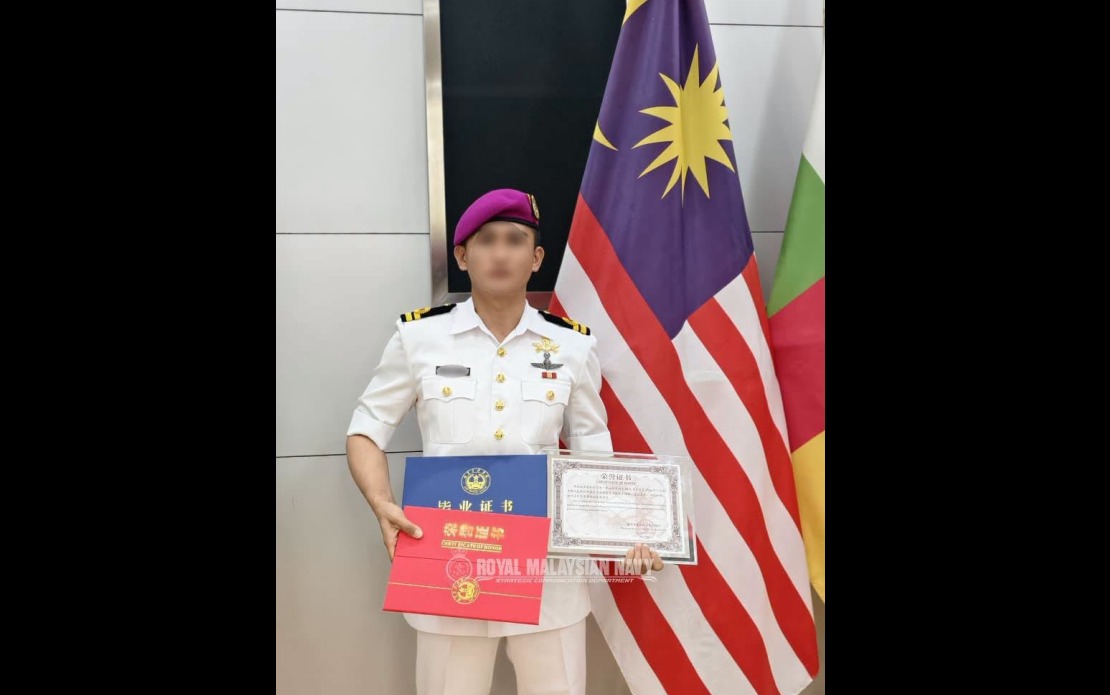
Sultan Sharafuddin Idris Shah, in his capacity as Captain-in-Chief of the Royal Malaysian Navy, has publicly acknowledged the exceptional performance of a PASKAL member who secured first place in a prestigious sniper warfare programme conducted at the PLA Infantry Academy's Shijiazhuang Campus in Hebei Province. The four-month course, which ran from early March through the end of July, saw the Malaysian officer emerge as the standout trainee among a highly competitive cohort.
The achievement underscores Malaysia's ongoing commitment to enhancing its military capabilities through international defence partnerships and professional development programmes. By participating in advanced Chinese military training institutions, Malaysian naval special forces gain exposure to cutting-edge tactical doctrine and weapons proficiency standards. This engagement reflects the broader defence cooperation framework between Kuala Lumpur and Beijing, which has expanded significantly over recent years through joint exercises, technology transfers, and officer exchange programmes.
The PASKAL member's success was formally recognised through multiple honours. He was awarded the Excellent Student Award, cementing his status as the course's top graduate, and received both a Certificate of Honors designating him an Excellent Cadre and Silver Badge Medals reflecting his superior performance across assessment modules. These credentials are particularly significant within military circles, as they validate technical mastery of sniper operations and represent standardised recognition across multinational defence establishments.
The competitive nature of the Shijiazhuang programme cannot be understated. Drawing 131 total participants representing military contingents from more than 24 countries, the course attracts elite soldiers and special operations personnel from nations across Asia, the Middle East, Europe, and beyond. For a Malaysian officer to secure the top ranking among this diverse assembly of trained combat specialists demonstrates not only individual aptitude but reflects positively on the selection and preparation standards maintained within the RMN's special forces division.
Sultan Sharafuddin's public commendation serves multiple purposes within Malaysian defence culture. First, it elevates the visibility of PASKAL's professional achievements at the highest institutional levels, reinforcing the strategic importance of specialised naval capabilities to national security frameworks. Second, it provides symbolic encouragement to other special forces personnel, establishing international excellence as an aspirational standard within the service. Third, the royal acknowledgement amplifies Malaysia's presence within global military training networks, signalling to international partners that Malaysian defence personnel compete successfully at elite levels.
The Royal Malaysian Navy has increasingly emphasised professional development and advanced training opportunities for its special operations cadre. PASKAL, formally established as a dedicated maritime special forces unit, conducts counterterrorism operations, reconnaissance missions, and maritime security activities across Southeast Asia's strategic waterways. As the region's security environment grows more complex—marked by transnational terrorism threats, maritime piracy, and great power competition—the operational demands on units like PASKAL have intensified correspondingly. Enhanced sniper capabilities represent a critical component of modern special operations doctrine, enabling precise target engagement while minimising collateral risk.
Admiral Tan Sri Dr Zulhelmy Ithnain, who heads the broader naval establishment, also received the Sultan's congratulations for facilitating the international training opportunity and overseeing the personnel selected for the demanding course. This institutional recognition acknowledges that international professional development requires sustained commitment from senior leadership to identify promising officers, secure training allocations at overseas institutions, and maintain the mentorship structures necessary for knowledge transfer upon personnel return to operational units.
Malaysia's participation in Chinese military training programmes reflects pragmatic defence strategising in an era of great power competition. While maintaining longstanding defence relationships with Western powers including the United States, Australia, and France, Kuala Lumpur has systematically expanded professional military engagement with China across training, procurement, and operational coordination. The Shijiazhuang course exemplifies this diversified approach, allowing Malaysian officers exposure to non-Western tactical methodologies while building interoperability relationships with other regional militaries also participating in PLA training initiatives.
The broader implications extend to ASEAN's defence capabilities and the region's capacity to address maritime security challenges independently. As Southeast Asian navies enhance their professional standards through international partnerships, they incrementally strengthen their operational effectiveness in protecting sea lanes, conducting surveillance, and responding to emerging threats. The individual achievement of this PASKAL member contributes, in aggregate, to elevating maritime security standards across Southeast Asia's broader security architecture.
The Sultan's statement also underscores Malaysia's institutional commitment to recognising military excellence as a national priority. By publicly celebrating an officer's professional accomplishment, the royal acknowledgement reinforces cultural values within the defence establishment that privilege continuous improvement, competitive engagement with international standards, and the pursuit of operational excellence. Such cultural messaging, emanating from the highest constitutional authorities, shapes institutional incentive structures and influences how ambitious officers within PASKAL and the broader RMN perceive professional development opportunities.
Looking forward, the successful completion of advanced international training by Malaysian special forces personnel creates knowledge multiplier effects within the service. When highly trained officers return to operational units, they disseminate lessons learned, mentor junior personnel, and implement improved tactics and procedures across their commands. Over time, such individual achievements accumulate into institutional capability gains that enhance the RMN's overall operational effectiveness and regional credibility.

