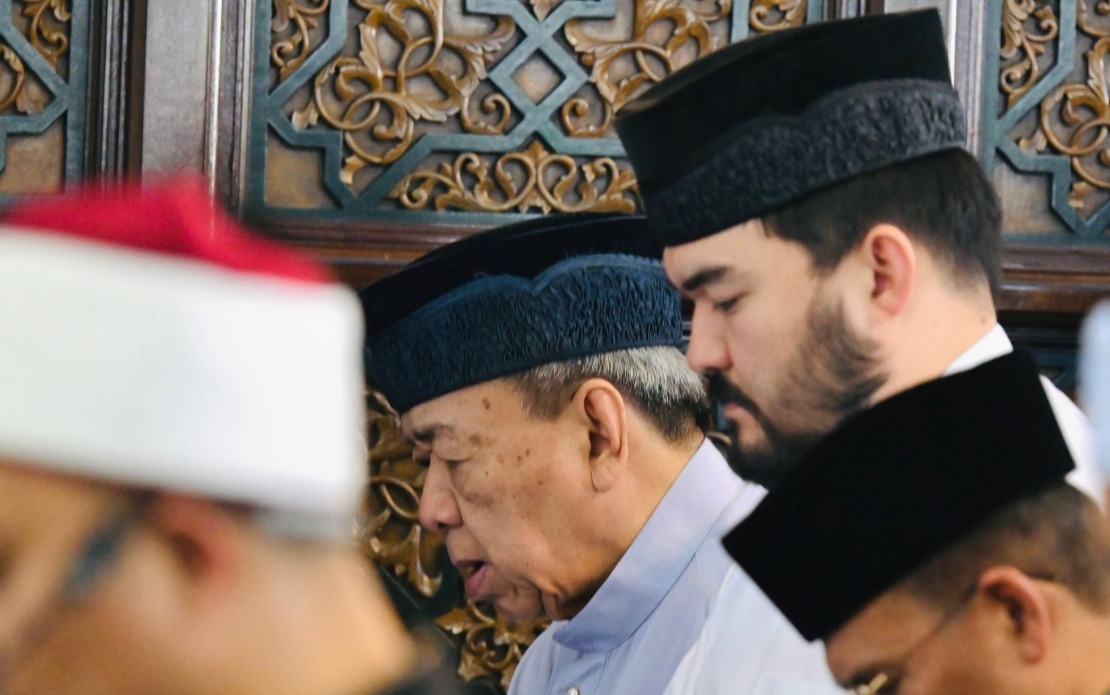
Sultan Sharafuddin Idris Shah, the reigning monarch of Selangor, has issued a significant call for the Muslim community to embrace compassion towards all creatures, from domestic strays to wild animals, grounding this appeal in Islamic teaching and environmental stewardship. The appeal came through Friday sermons delivered across Selangor mosques under the theme 'Ihsan Terhadap Mahkluk Allah SWT', which translates to compassion towards Allah's creations, with the ruler subsequently amplifying the message through the Selangor Royal Office's social media channels to reach a broader audience.
Central to the Sultan's message is the concept of human accountability as custodians of the earth. Rather than presenting animal welfare as a peripheral concern, the ruler framed it as an integral component of Islamic responsibility, arguing that humans carry profound obligations to safeguard, nurture and manage the natural world with integrity. This encompasses not merely animals in the conventional sense, but the entire tapestry of creation including vegetation, topography, marine ecosystems and freshwater resources that sustain life on the peninsula.
The theological foundation for this position rests on understanding these natural elements as manifestations of divine power and majesty. According to the royal guidance, their continued existence and prosperity represent essential obligations for believers, binding the community to ensure environmental preservation as an act of religious devotion rather than secular environmentalism. This reframing proves significant for Malaysia's Muslim-majority population, positioning ecological responsibility as a matter of faith rather than merely policy compliance.
Prophet Muhammad's historical emphasis on humane treatment of animals forms another pillar of the Sultan's argument. Islamic teaching, as articulated through the ruler, demands that followers provide animals with sustenance and water, at minimum refraining from inflicting suffering on any creature fashioned by the Divine. This principle establishes a baseline of ethical conduct that extends beyond legal requirements to encompass moral consciousness in daily interactions with the animal kingdom.
Yet the Sultan's guidance navigates a delicate tension that occupies considerable space in practical Islamic jurisprudence. Acknowledging that circumstances sometimes arise where wildlife creates genuine hazards to human populations or economic interests, the ruler noted that Islamic law permits interventions to prevent such harm. This allowance operates within the framework of Maqasid Syariah, the foundational objectives of Islamic law, which prioritise the protection of human life and property among other essential interests.
This balancing act reflects sophisticated theological reasoning rather than contradiction. The Sultan emphasised that compassion towards animals and the imperative to safeguard human communities do not occupy opposing positions within Islamic thought. Instead, both principles represent complementary expressions of a holistic ethical system that contextualises every obligation within its proper place and circumstance. This nuance carries practical implications for wildlife management policies in Selangor and potentially across Malaysia, suggesting that interventions targeting dangerous fauna need not contradict Islamic values when conducted judiciously.
For Malaysian policymakers and environmental administrators, the royal pronouncement offers theological legitimacy for developing wildlife management protocols that honour both conservation principles and public safety requirements. The framing allows officials to approach sensitive issues such as crop-raiding elephants, human-wildlife conflict zones, and urban animal populations with reference to established Islamic principles rather than secular arguments alone, potentially building broader community acceptance for difficult decisions.
The timing and scope of this religious guidance merit consideration within Malaysia's broader religious and political landscape. Religious authority in Malaysian Islam operates through multiple channels, including the sultans as guardians of Islamic affairs within their respective states. By engaging directly with animal welfare through the Friday sermon framework, Sultan Sharafuddin injected this concern into mainstream religious discourse, elevating it beyond the domain of animal rights activists to become a matter of general Islamic instruction for Selangor's Muslim population.
The dissemination strategy through the Selangor Royal Office's digital platforms indicates deliberate efforts to extend reach beyond the physical confines of mosques. This approach acknowledges contemporary patterns of religious information consumption, particularly among younger demographics less consistently present at Friday congregations. By utilising social media, the royal office ensured that the theological articulation of animal compassion reaches urban professionals, students and others whose engagement with religious guidance increasingly occurs through digital channels.
For Southeast Asia more broadly, this intervention demonstrates how regional Islamic authorities interpret religious obligations in response to contemporary environmental challenges. As climate change pressures intensify human-wildlife interactions across the region, having clear religious guidance supporting humane and measured responses to ecological crises provides moral frameworks that transcend purely secular conservation arguments. This proves particularly relevant in Muslim-majority nations where religious authority significantly influences public behaviour and policy formation.
The Sultan's intervention also serves to counter potential interpretations of Islam that dismiss animal welfare as irrelevant to religious practice. By centering compassion towards creatures within Islamic theology rather than treating it as an optional charitable inclination, the guidance establishes animal welfare as integral to faithful practice. This pedagogical approach shapes how younger generations of Malaysian Muslims understand their religious responsibilities, potentially fostering deeper environmental consciousness grounded in spiritual conviction.
Looking forward, the practical implementation of these principles depends considerably on how government agencies, religious educators and community leaders translate the Sultan's theological framework into concrete policies and educational initiatives. Religious guidance without institutional support and public education tends toward symbolic value without transformative impact. Whether Selangor's administrative apparatus and religious institutions will develop programmes reflecting these teachings remains to be seen, but the royal pronouncement establishes clear theological ground for such efforts.

