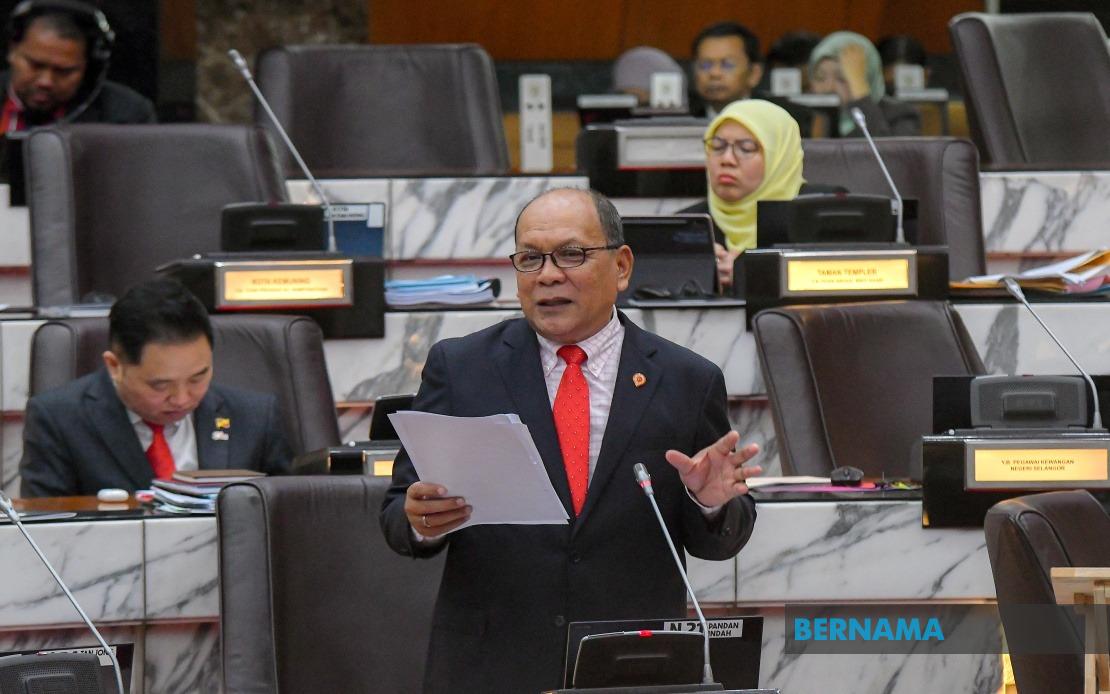
Selangor is grappling with a mounting infrastructure crisis as vandalism and theft at pump houses across the state drain resources and compromise critical flood management capabilities. The damage toll has reached as high as RM400,000, prompting state authorities to escalate efforts to protect these essential facilities. Speaking during the State Legislative Assembly sitting, Datuk Izham Hashim, chairman of the Infrastructure and Agriculture Committee, disclosed that the state government has escalated talks with Selangor's police chief to strengthen enforcement and boost security at the vulnerable pump houses.
The deterioration of pump house infrastructure represents a particular vulnerability for Selangor, a state historically prone to severe flooding that devastates residential areas and disrupts economic activity. Pump houses form the backbone of the state's drainage and irrigation systems, functioning as critical nodes in flood prevention networks. When these facilities are damaged or stripped of equipment through theft, their capacity to rapidly channel excess water during monsoons is severely diminished, potentially exacerbating flooding that could affect thousands of residents and businesses.
Datuk Izham explained that the state government has tasked multiple agencies with implementing immediate protective measures. The Drainage and Irrigation Department and Public Works Department have been instructed to fortify security protocols at affected installations. Among the measures being rolled out is the installation of closed-circuit television systems at pump house locations, intended to deter would-be vandals and thieves while providing documentary evidence for law enforcement investigations. This technological intervention reflects a recognition that traditional security approaches have proven insufficient against persistent criminal activity targeting these installations.
The financial impact of the vandalism and theft extends beyond simple repair costs. When pump houses are non-functional due to damage or missing equipment, the state must either redirect resources to emergency repairs or deploy alternative flood management systems, both of which carry substantial expense. Furthermore, operational downtime increases vulnerability to flooding during the monsoon seasons, potentially triggering disaster response costs that dwarf the RM400,000 already allocated to repairs. The cascading nature of these impacts underscores why state leadership views the security crisis as urgent rather than peripheral.
Datuk Izham's statement reveals that the state has broadened its strategic approach beyond purely defensive infrastructure measures. The government has formally requested support from police and specialized security agencies, indicating recognition that deterrence and investigation require dedicated law enforcement capacity. This multi-agency coordination framework suggests authorities view the pump house targeting as systematic criminal activity rather than random vandalism, justifying a structured response that integrates infrastructure hardening with investigative and preventive policing.
The escalation of this issue in the State Legislative Assembly was prompted by a supplementary question from Jefri Mejan, the Ijok assemblyman representing Perikatan Nasional. His inquiry specifically linked the pump house security failures to prolonged flooding incidents, establishing a direct political connection between infrastructure protection and public welfare. This framing ensures that any future flooding caused by compromised pump house functionality will be viewed through the lens of inadequate preventive security, creating political pressure on the state administration to demonstrate tangible results from enhanced protection measures.
For Malaysian readers, particularly those in flood-prone Selangor constituencies, the pump house security issue carries immediate relevance. The state experiences monsoon flooding annually, and residents understand intimately how drainage system failures translate into water inundating homes and business premises. When infrastructure designed to manage flood risk is deliberately damaged or stripped for salvage materials, it directly undermines the state government's core responsibility to protect life and property. The RM400,000 cost figure, while substantial, likely represents only documented repairs and may not capture indirect economic losses from reduced flood control capacity during critical periods.
The choice to target pump houses for theft suggests organized activity rather than opportunistic vandalism. Equipment from water management systems possesses salvage value in scrap metal markets or through resale, making these facilities attractive targets for metal thieves. The persistence of such activity despite its obvious impact on public safety indicates that current deterrence mechanisms—whether through existing security measures or criminal penalties—have failed to dissuade offenders. This reality suggests that enhanced CCTV installation and police coordination represent necessary but potentially insufficient responses without addressing underlying market incentives for equipment theft.
Selangor's approach of combining technological security upgrades with law enforcement collaboration reflects best practices in infrastructure protection but requires sustained commitment for effectiveness. CCTV systems provide value only if monitored actively and if recorded evidence leads to prosecutions that deter future offenders. Police coordination demands dedicated resource allocation and genuine prioritization of pump house security within broader law enforcement frameworks. The state's success in addressing this crisis will ultimately depend on whether these measures translate into meaningful reductions in vandalism and theft within six to twelve months.
Broader Southeast Asian context reveals that infrastructure theft and vandalism represent regional challenges, particularly affecting water management, power distribution, and transportation systems. Rising scrap metal prices in regional markets have intensified targeting of metal-intensive infrastructure, creating pressures that Malaysian authorities must actively counter through both supply-side security improvements and demand-side interventions that reduce market attractiveness of stolen equipment. Selangor's response framework could inform similar efforts in neighboring states facing comparable challenges with critical infrastructure protection.
The political dimension of this issue extends beyond immediate water management concerns. State governments' ability to protect critical infrastructure is fundamental to public confidence in governance and service delivery. Continued vulnerability of pump houses to vandalism and theft signals potential weaknesses in coordination between relevant agencies, potentially undermining broader confidence in the state's capacity to manage complex public systems. By addressing this issue visibly and comprehensively, Selangor's authorities demonstrate responsiveness to constituent concerns about infrastructure security and flood risk management.
Moving forward, the effectiveness of implemented measures will be tested during upcoming monsoon seasons when pump house functionality becomes most critical. Should flooding incidents occur in areas served by previously vandalized or damaged facilities, public discourse will inevitably connect infrastructure security failures to the resulting disasters. This creates strong incentive for authorities to demonstrate tangible improvement in pump house security and operational capacity. The RM400,000 already expended on repairs represents an investment in learning what protective measures work, with future budgets requiring expansion if current approaches prove inadequate to the scale of the challenge.

