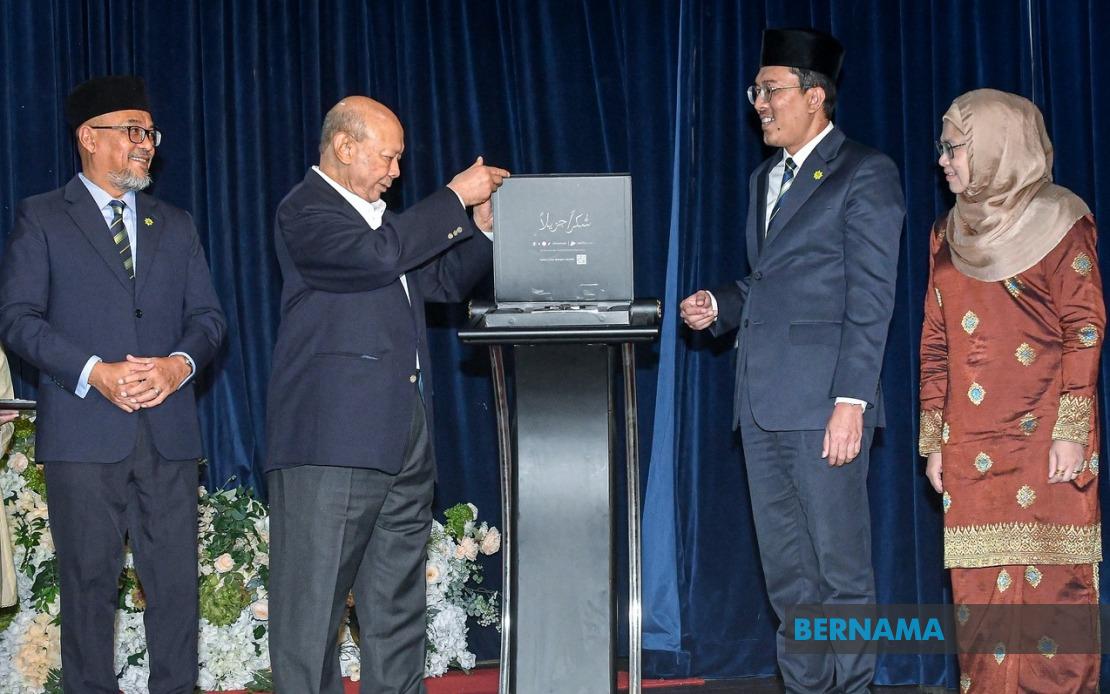
The Selangor Zakat Board introduced the Muzakki Zakat Selangor Recognition Initiative (IKTIRAF) on July 7, establishing Malaysia's first formal certification system designed to acknowledge corporate entities and organisations that reliably discharge their business zakat responsibilities. The initiative represents a strategic shift in how Malaysia's third-largest state approaches corporate Islamic financial obligations, moving beyond traditional compliance mechanisms towards a recognition-based framework that incentivises voluntary adherence among the business community.
Mohd Khaidzir Shahari, chief executive officer of Zakat Selangor, articulated the initiative's underlying purpose as twofold: fostering greater corporate awareness regarding zakat obligations whilst simultaneously motivating businesses to embed Islamic principles into their governance structures and corporate social responsibility programmes. This dual objective reflects a broader institutional recognition that sustainable zakat collection requires cultural transformation within boardrooms and shareholder meetings, not merely regulatory pressure or enforcement action.
Participating companies under IKTIRAF receive multiple forms of certification. Eligible businesses obtain both digital and physical certificates bearing unique serial numbers, alongside branded e-Labels that can be integrated into product packaging, facility signage, and marketing communications. Critically, the scheme incorporates a verification mechanism through QR codes, enabling consumers to independently authenticate whether a company genuinely maintains current zakat-compliant status. This transparency mechanism directly parallels Malaysia's established halal certification ecosystem, a deliberate design choice that leverages public familiarity with religious compliance labelling.
The conceptual framework equates IKTIRAF certification with halal labelling, a comparison that carries significant implications for consumer behaviour in Malaysia's predominantly Muslim marketplace. When customers encounter the IKTIRAF logo on merchandise or premises, they can immediately recognise that the purchasing decision supports a business honouring its Islamic fiscal obligations. This approach taps into religious consciousness as a market differentiator, theoretically rewarding compliant businesses with customer loyalty whilst creating competitive pressure for non-compliant enterprises to adopt similar practices.
Zakat Selangor has established an ambitious yet measured target of recognising approximately one thousand existing business zakat contributors during the initiative's inaugural year of operation. However, Mohd Khaidzir deliberately tempered expectations regarding participation growth, emphasising that rapid expansion contradicts the initiative's fundamental philosophy. He stressed that zakat compliance cannot emerge from coercive governmental mechanisms; rather, genuine adoption requires sustained engagement with corporate shareholders and board-level decision-makers to cultivate institutional understanding and embed zakat payment as standard practice rather than episodic compliance.
This gradualist philosophy distinguishes IKTIRAF from more conventional regulatory approaches. Rather than pursuing aggressive enrolment targets that might generate superficial commitment, Zakat Selangor prioritises foundational awareness-building within corporate structures. The organisation recognises that businesses convinced of zakat's legitimacy through substantive engagement will demonstrate consistent payment behaviour across multiple years, whereas entities coerced into participation may treat compliance as a temporary obligation subject to abandonment when regulatory attention wanes.
The scheme's launch occurred during the Gemerlapan Rakan Strategik Zakat Selangor (GRASIAZ) 2026 event, where Zakat Selangor presented IKTIRAF plaques to qualifying companies and organisations already demonstrating zakat payment consistency through either the Business Zakat or Salary Deduction Scheme categories. This ceremonial recognition of existing contributors serves multiple strategic purposes: it validates their prior commitment, establishes public exemplars of zakat compliance, and creates aspirational models for other businesses observing industry peers receiving institutional acclaim.
For Malaysia's broader Islamic finance ecosystem, IKTIRAF signals institutional maturation in corporate zakat administration. Selangor, as the nation's economic powerhouse and home to the majority of Malaysia's corporate headquarters, exerts outsized influence on business practice standards across the country. The certification model potentially establishes replicable templates for other state zakat boards considering similar recognition frameworks, thereby contributing to harmonisation of corporate zakat governance across peninsular Malaysia.
The initiative also addresses a persistent challenge in Islamic finance: bridging the gap between individual religious conviction and institutional practice. Many Malaysian business executives possess personal commitment to Islamic principles, yet organisational structures and governance traditions frequently compartmentalise religious obligations from commercial decision-making. By creating formal recognition mechanisms and consumer-facing certification, IKTIRAF provides executives with justification to elevate zakat from peripheral charitable consideration to core governance requirement.
From a consumer perspective, IKTIRAF democratises access to information regarding corporate Islamic compliance. Previously, determining whether a business paid zakat required institutional knowledge or personal inquiry. The QR-verification system transparently displays compliance status, empowering Muslim consumers to align purchasing decisions with religious values without requiring specialised expertise. This accessibility potentially catalyses broader consumer consciousness regarding Islamic finance, particularly among younger demographics accustomed to digital verification mechanisms.
The scheme's emphasis on voluntary adoption rather than enforcement reflects pragmatic understanding of behavioural economics. Businesses responding to positive incentives and peer recognition typically sustain compliance more reliably than entities motivated primarily by penalty avoidance. By positioning IKTIRAF participation as aspirational rather than obligatory, Zakat Selangor cultivates competitive dynamics where corporate reputation becomes intertwined with zakat compliance, thereby self-reinforcing payment patterns.
Moving forward, IKTIRAF's success will depend on meaningful adoption among Selangor's corporate base and tangible consumer recognition of the certification scheme. If businesses perceive genuine market advantages from IKTIRAF participation—through enhanced customer loyalty, improved employee morale, or reputational benefit—organic growth will likely accelerate beyond the cautious initial targets. Conversely, if certification generates minimal competitive differentiation, participation may plateau among early adopters. The initiative represents a significant experiment in leveraging consumer consciousness and corporate reputation dynamics to strengthen Islamic financial compliance within Malaysia's business mainstream.

