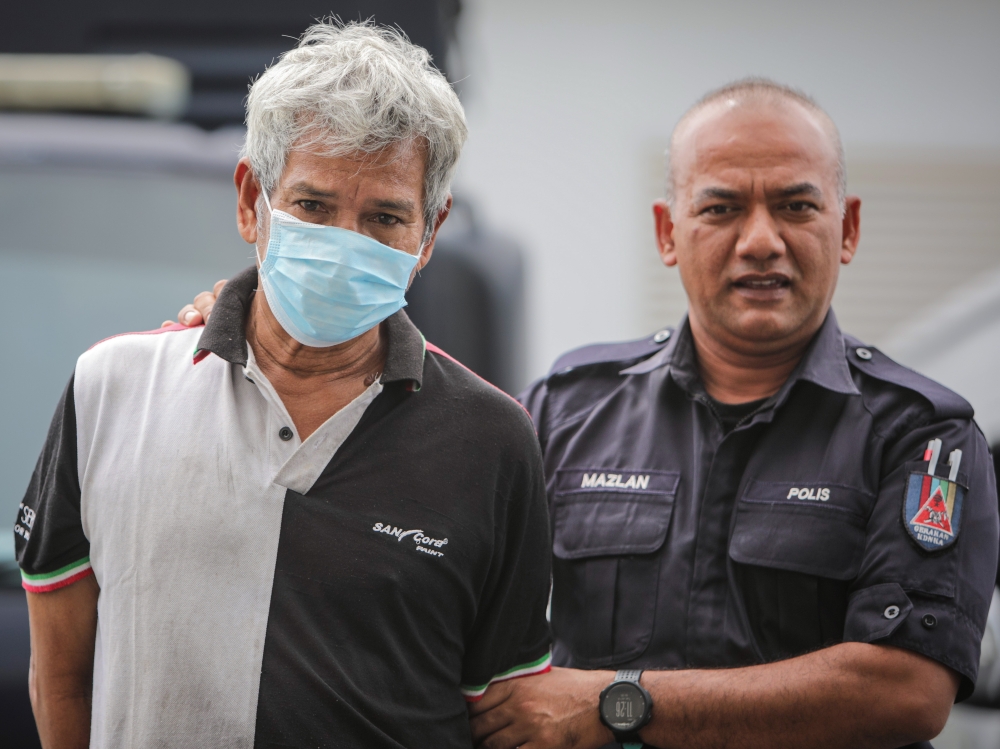
A retired pensioner appeared before magistrates in Kangar on July 14 facing serious charges related to the trafficking of nearly 40 litres of fentanyl, one of the world's most potent synthetic opioids. The case has renewed focus on how criminal networks continue to exploit Malaysia's porous northern boundaries to move illicit drugs through the region, often targeting older individuals to carry out logistics.
The accused, aged 65, was brought before the Magistrate's Court in this Perlis state capital after authorities uncovered what investigators describe as a significant quantity of the dangerous substance during routine enforcement operations. The volume seized—39.9 litres—represents a substantial haul by any measure, though authorities have not yet disclosed whether this constituted the entire shipment or whether other arrests may follow as part of a broader investigation into the supply chain.
Fentanyl has emerged as a critical concern for Malaysian law enforcement and public health authorities over the past five years. Unlike heroin, which requires cultivation of opium poppies across multiple growing seasons, fentanyl can be manufactured entirely in clandestine laboratories using chemical precursors. This synthetic route has made it increasingly attractive to transnational criminal organisations operating across Southeast Asia, as they can establish production facilities anywhere with access to the necessary chemicals and technical expertise. The drug is estimated to be 50 to 100 times more potent than morphine, making even tiny dosing errors potentially fatal.
The trafficking charge carries severe penalties under Malaysian law. Individuals convicted of moving drugs exceeding the statutory trafficking threshold face mandatory minimum sentences, and courts have limited discretion in sentencing decisions. For fentanyl, the threshold that triggers presumption of trafficking for commercial purposes is considerably lower than for traditional opiates, reflecting the substance's extreme potency and the heightened public health emergency it represents.
Perlis, Malaysia's smallest state by population, has long featured prominently in drug enforcement operations. Its lengthy border with Thailand, combined with challenging terrain and multiple crossing points, creates vulnerabilities that traffickers regularly exploit. The state sits astride major trafficking corridors connecting Thailand's drug-producing regions with port facilities in Penang and Kedah, making it a natural transit hub for organisations moving narcotics southward toward Singapore and beyond to Australia and other destinations.
The use of elderly couriers in drug trafficking operations reflects a deliberate criminal strategy. Individuals aged over 60 often attract less scrutiny from law enforcement during routine roadside checks, and they may be perceived as less likely to be involved in organised crime. Additionally, some trafficking networks deliberately seek out vulnerable older citizens facing financial hardship, offering substantial sums to transport packages across borders or through checkpoints, often without fully disclosing the contents or legal consequences of their actions.
The seizure and subsequent prosecution demonstrate that enforcement agencies remain alert to large-scale trafficking operations, yet the continued emergence of such cases raises questions about the effectiveness of current interdiction strategies. Authorities have implemented heightened surveillance along major transport corridors in northern Perlis and enhanced screening at checkpoints, but the sheer volume of cross-border traffic—both legitimate and illicit—creates ongoing challenges for customs and narcotics officials operating with finite resources.
International cooperation has become increasingly important in combating fentanyl trafficking throughout the region. Thai authorities have worked with Malaysian counterparts on intelligence sharing regarding fentanyl laboratories and trafficking networks, while the Malaysian government has sought assistance from US Drug Enforcement Administration specialists in identifying precursor chemicals and disrupting supply chains. However, the decentralised nature of clandestine production and the multiple possible routes for transporting finished products mean that enforcement remains reactive rather than fully preventive.
The case also underscores how fentanyl trafficking has diversified beyond traditional heroin markets. Where organised crime groups once focused exclusively on moving heroin into Malaysia for local consumption or onward transit, fentanyl now represents a parallel trafficking stream with its own distinct networks, sources, and distribution pathways. Some fentanyl is destined for street-level sale and consumption within Malaysia and the region, while larger quantities are destined for international pharmaceutical theft or clandestine industrial production in other countries.
Public health authorities warn that the presence of fentanyl in Malaysia's drug supply creates acute dangers for people who use drugs. A single miscalculation in diluting fentanyl for street sale can result in overdose deaths, and emergency medical services across the country have reported increasing numbers of fentanyl-related overdoses, particularly in urban areas. The availability of naloxone (opioid antagonist) remains limited outside hospital settings, meaning that many overdose victims do not receive timely reversal of respiratory depression.
The prosecution of this case will likely proceed through Perlis courts over coming months, with sentencing guidelines providing judges with limited discretion. The outcome will contribute to the evolving body of case law regarding fentanyl trafficking and may influence how law enforcement agencies calibrate their responses to synthetic opioid operations elsewhere in Malaysia and the broader region.

