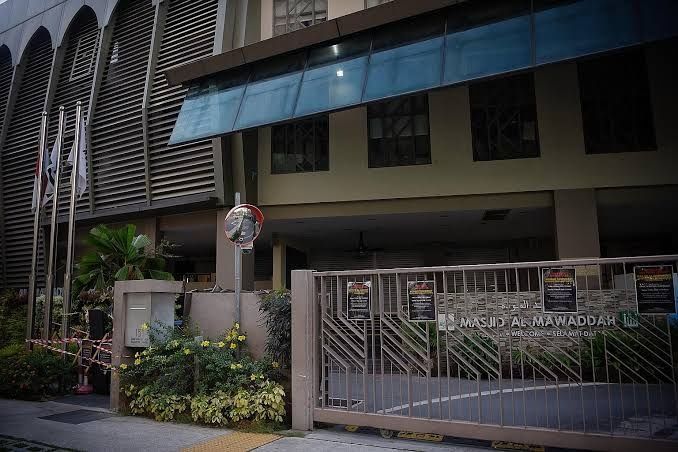
A senior finance executive at the Al-Mawaddah Mosque in Compassvale Bow, Sengkang has been formally charged with criminal breach of trust following allegations that he took more than S$14,000 from the mosque's donation boxes. Mohamed Muhaimin Mohamed Sulaiman, 42, appeared in court on August 12 to face a single charge relating to the misappropriation of funds that allegedly occurred on multiple occasions between mid-February and mid-May this year.
The charges carry serious legal consequences under Singapore law. A conviction for criminal breach of trust can result in imprisonment for up to 15 years alongside a substantial fine. The specific nature of the allegation—targeting donation funds held in sacred trust—adds another dimension to what would otherwise be a standard embezzlement case, as these funds are contributed by worshippers with the expectation they will be used for religious and charitable purposes.
According to police statements released on August 11, officers became aware of the suspected misappropriation when a report was filed on May 16, more than three months after the alleged offences began. The investigation into the matter apparently took some weeks to complete before charges were brought against Muhaimin in mid-August. The delay between the initial report and the commencement of legal proceedings is not uncommon in financial crime investigations, which often require detailed forensic accounting and careful documentation of evidence.
The prosecution alleges that Muhaimin committed the offence on at least 15 separate occasions during the four-month window, suggesting a pattern of behaviour rather than a single isolated incident. This frequency of alleged wrongdoing typically strengthens the prosecution's case by demonstrating intent and awareness rather than accidental or negligent conduct. The lengthy period over which the offences allegedly occurred also raises questions about the mosque's internal financial controls and oversight mechanisms.
Court bail conditions have been set at S$10,000, allowing Muhaimin to remain free pending trial. His case is scheduled for mention again on September 16, when further procedural steps or possibly a trial date will be determined. The bail conditions represent a relatively moderate threshold, reflecting either the court's assessment of flight risk or other factors in the case.
The incident highlights recurring vulnerabilities in how religious institutions manage their finances. Donation boxes remain a common practice in mosques across Southeast Asia, yet they present inherent security challenges. The physical accessibility of cash-based donation systems, combined with sometimes limited oversight, can create opportunities for misappropriation if robust checks and balances are not in place. Many religious institutions, particularly those with predominantly volunteer management structures, may not implement the level of financial scrutiny standard in secular organisations.
The Al-Mawaddah Mosque serves the Sengkang community, which has experienced significant population growth over recent years as new Housing and Development Board estates have expanded in the area. The mosque's role as a religious and community centre makes the alleged breach particularly sensitive, as it undermines public confidence in the stewardship of shared resources and affects the broader Muslim community's trust in institutional management.
The Islamic Religious Council of Singapore (MUIS) oversees religious affairs and mosque administration across the island-state. Following the charges, The Straits Times sought clarification from MUIS regarding whether Muhaimin remains employed at the mosque. The council's response, once provided, will shed light on whether the institution has already severed ties with the accused or maintained his employment pending the outcome of legal proceedings.
This case serves as a cautionary reminder for religious and charitable organisations throughout Malaysia and Singapore about the importance of implementing transparent financial governance frameworks. Best practices typically include regular independent audits, segregation of duties, multiple authorisation thresholds for fund withdrawals, and periodic reconciliation of donation records. Smaller institutions often lack the resources for comprehensive internal audit departments, yet even modest additional oversight—such as requiring two signatories for cash handling or regular spot checks—can significantly reduce misconduct opportunities.
The broader context extends beyond individual wrongdoing to systemic considerations about how voluntary and religious organisations balance accessibility and trust with necessary financial safeguards. While most religious workers are conscientious stewards of community resources, even a small number of cases can damage public perception and discourage charitable giving. The investigation and prosecution of such cases, while occasionally embarrassing for institutions, ultimately serve to reinforce the importance of maintaining rigorous financial disciplines.
For the Muslim community in Singapore and the wider region, the case underscores the need for continued investment in institutional capacity-building and governance training. Religious leaders and administrative committees increasingly recognise that modern financial management standards are not contrary to religious values but rather essential expressions of integrity and accountability to their communities. As legal proceedings continue, the detailed findings may provide valuable lessons for mosque and religious organisations seeking to strengthen their own financial control systems.

