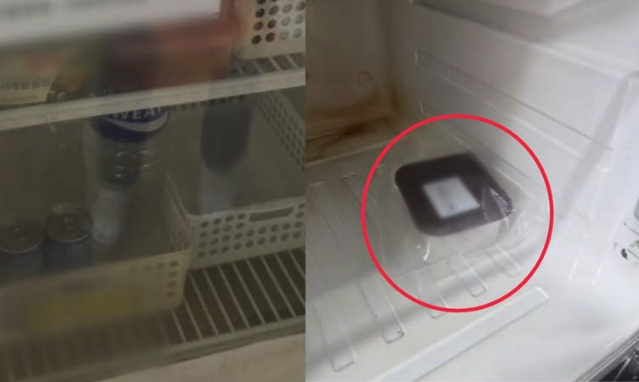
South Korea's health ministry has opened an administrative inquiry into a Seoul nursing facility following the discovery of a patient's severed toe stored in the hospital's kitchen refrigerator, raising serious questions about medical waste handling and patient care protocols at the institution. The toe, preserved in a disposable porridge container, had been kept alongside drinks and condiments for roughly two weeks before the patient's family uncovered it during a visit, according to a KBS news investigation published on August 19.
The severed digit belonged to a man in his sixties with an intellectual disability who had resided at the facility for a decade. According to the family's account, hospital staff notified them in March that one of his toes had detached following a fall while he was being transported in a wheelchair to bathe. The staff explained that the man's pre-existing skin necrosis—a condition involving tissue death—had weakened the toe sufficiently that the fall caused it to separate from his foot. However, the family later discovered that medical records at the hospital had documented a foot ulcer diagnosis since December, a diagnosis they had never been informed about despite their regular contact with the facility.
This disclosure has exposed what appears to be a significant communication breakdown between the healthcare provider and the patient's guardians. For a patient with diminished cognitive capacity living in institutional care, family members serve as critical oversight mechanisms for safeguarding welfare and ensuring transparency about medical conditions. The failure to proactively disclose the ulcer diagnosis—a condition that clearly posed risk of complications—represents a breach of informed consent principles that underpin ethical healthcare delivery.
The handling of the severed tissue itself violates multiple regulatory frameworks governing South Korean healthcare operations. The nation's Waste Control Act mandates that medical waste be segregated into designated containers specifically designed for biohazard containment. Additionally, storing human tissue directly adjacent to food products potentially breaches food sanitation regulations intended to prevent cross-contamination and maintain public health standards. These regulatory violations were not incidental oversights but reflected systemic institutional failures in waste management protocol.
When questioned about the storage method, hospital administrators claimed they lacked an appropriate container for preserving the severed toe and therefore improvised by placing it in the refrigerator as an emergency measure. This explanation is troubling for several reasons. First, any facility providing medical care to patients should maintain proper medical waste storage equipment as a baseline operational requirement, not treat it as optional infrastructure. Second, an emergency response that circumvents established safety regulations suggests the institution did not prioritize compliance with health and safety frameworks. Third, the two-week duration of storage indicates this was not a temporary emergency measure but rather a prolonged acceptance of improper conditions.
The broader implications of this incident extend beyond a single facility's lapses. For Malaysian and regional observers, the case highlights vulnerabilities in institutional oversight of long-term care facilities, particularly those serving vulnerable populations with cognitive disabilities. Patients in such settings cannot self-advocate and depend entirely on family vigilance and regulatory enforcement to protect their interests. When institutional protocols fail and regulatory inspections prove inadequate, these populations bear disproportionate consequences.
South Korea's Health Ministry response—commissioning a local government administrative investigation—represents the initial stage of a potentially multi-layered accountability process. Administrative inquiries typically examine institutional compliance with regulations and can result in sanctions ranging from corrective action requirements to license suspension. Depending on investigation findings, criminal negligence charges could follow if evidence suggests deliberate disregard for patient welfare or regulatory violation.
The case also illuminates the tension between institutional convenience and regulatory compliance. The hospital's explanation that suitable storage containers were unavailable suggests either inadequate budgeting for medical infrastructure or conscious cost-cutting that prioritized expense reduction over regulatory adherence. Such institutional failures often reflect broader systemic pressures in healthcare delivery, including staff shortages, inadequate funding, and time constraints that create environments where corners are cut.
For families managing care of institutionalized relatives across Asia, this incident reinforces the necessity of frequent unannounced visits, detailed scrutiny of medical records, and escalation of undisclosed diagnoses to higher authorities. Many families rely heavily on institutional representations about patient conditions and may not question official explanations about medical incidents. The Korean case demonstrates why such trust requires verification through independent access to records and direct observation.
The storage method also raises questions about whether the severing incident was properly investigated. In cases where patients develop unexplained injuries, particularly those involving sudden loss of body parts, thorough documentation and family notification represent standard protocol. The casual explanation offered to family members—a fall causing a pre-weakened toe to detach—warranted supporting medical documentation and potentially external review to rule out neglect-related injury.
Moving forward, this incident will likely prompt South Korean regulators to intensify inspections of nursing facilities, particularly regarding medical waste management systems and communication protocols with patient families. Facilities may face requirements to upgrade storage infrastructure and implement staff training on regulatory compliance and transparency obligations. The investigation's findings could establish precedents influencing how other regional healthcare systems approach institutional accountability in elder care and disability services.
The case serves as a cautionary example of how systemic institutional failures compound when regulatory oversight proves insufficient and family oversight faces information barriers. Only through robust investigation and transparent accountability mechanisms can such failures be prevented.

