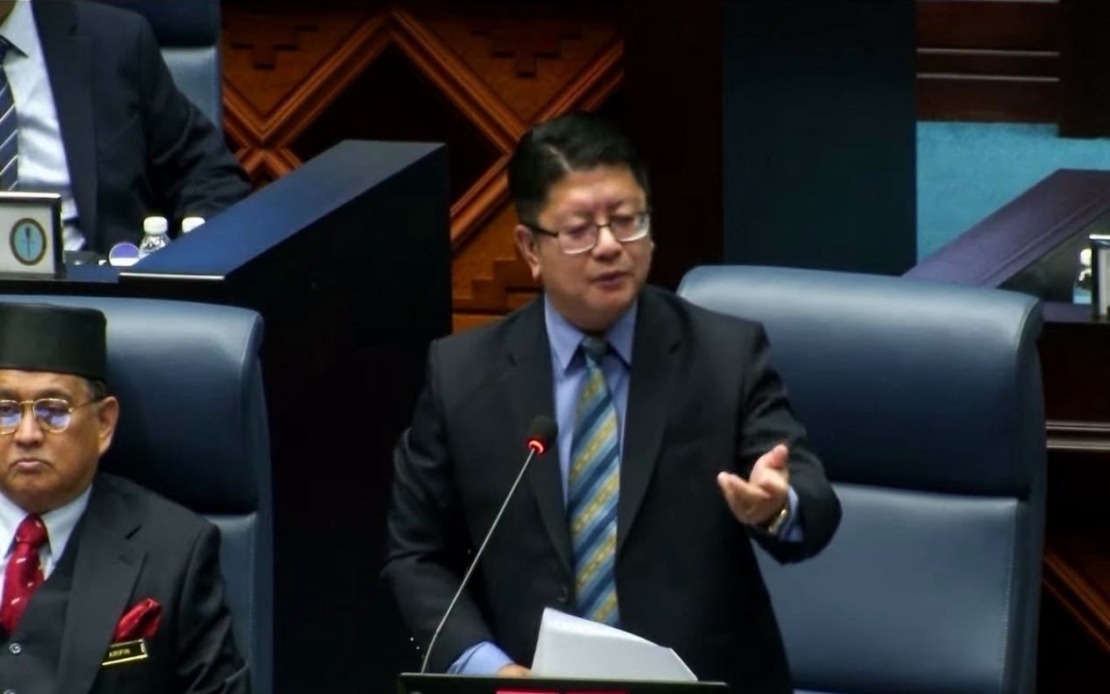
Sabah's ambitious plans to transform the Sepanggar Bay Container Port into a major transhipment hub have hit significant snags, with the expansion project now years behind schedule despite receiving five successive deadline extensions. Speaking in the Sabah State Legislative Assembly, Deputy Chief Minister III Datuk Ewon Benedick disclosed that what was originally slated for completion in February 2023 has yet to reach fruition, underscoring the challenges facing the state's critical port infrastructure.
The timing has proved particularly awkward, as DP World Sabah formally took over port management operations in September 2024, several months after the handover should ideally have occurred. Such transitions typically proceed smoothly when the underlying infrastructure is either complete or in its final implementation stages, allowing new operators to inherit a fully functional facility. Instead, DP World inherited a port still embroiled in expansion works, creating immediate operational constraints that complicate the establishment of performance baselines and operational standards.
Datuk Ewon, who oversees development, industry, entrepreneurship and transport matters at the state level, indicated that conducting a comprehensive performance audit or formal review of DP World Sabah's operational effectiveness would be premature given the unfinished expansion project. With the port's capacity still constrained by ongoing construction, any management assessment would lack meaningful context. The state is instead adopting a measured approach, deferring formal performance evaluations until the physical expansion work concludes and normal operations can be properly evaluated.
Nevertheless, regulatory frameworks are being quietly established. The Sabah Ports Authority, which functions as the regulatory body for port operations throughout the state, will maintain continuous monitoring of DP World Sabah's performance using specific operational metrics. These indicators include the average waiting duration for vessels anchoring in the bay, the length of time containers occupy storage space within the facility, and the efficiency with which the port utilises its available storage areas. These metrics will eventually serve as the foundation for formal performance assessments once the expansion completes.
Confronting immediate operational bottlenecks, state authorities have rolled out an ambitious ten-point action plan to alleviate congestion plaguing the facility. The strategy encompasses physical infrastructure improvements, including the construction of supplementary container yards designed to absorb excess cargo volumes during peak periods. Simultaneously, the port authority is implementing revised tariff structures intended to incentivise faster cargo movement and discourage prolonged container storage within the yard.
Enforcement measures form another pillar of the congestion relief initiative. Port authorities are increasingly stringent about containers that overstay their permitted storage periods, with stricter penalties designed to encourage expedited cargo clearance. During peak seasonal periods, when container volumes surge, the free storage allowance has been compressed to motivate faster turnover and prevent the accumulation of slow-moving inventory within the congested facility.
Beyond the container terminal itself, supporting infrastructure improvements are addressing wider logistics bottlenecks. The Kota Kinabalu Industrial Park now offers dedicated trailer parking facilities, reducing the pressure on port-side parking and streamlining the movement of containers between the port and inland facilities. A computerised vehicle booking system is being implemented to better manage vessel berthing schedules and optimise port resource allocation. Government agencies stationed at the facility are now operating around the clock, eliminating administrative delays that previously occurred during off-hours.
Port equipment upgrades represent another component of the modernisation drive, with authorities investing in newer handling machinery to increase throughput capacity. Particularly significant is the strategic transfer of RORO (roll-on/roll-off) vehicle operations from the container bay to the dedicated Kota Kinabalu Port facility, which reduces congestion at Sepanggar and allows each port to specialise in cargo types best suited to its infrastructure. The introduction of a Berthing Window Programme adds scheduling discipline, with vessels assigned specific arrival windows that optimise dock utilisation and reduce idle waiting time.
These interim measures reflect the reality that Sabah's port infrastructure, while strategically positioned to serve regional shipping lanes and the growing economies of Brunei and East Malaysia, has been under considerable strain from rising trade volumes. The delays afflicting the expansion project have created a compounding problem: the original facility was never designed for current throughput levels, and every month of delay represents lost economic efficiency and increased costs for shipping lines and logistics operators.
For Malaysian enterprises and regional trading partners, the implications are substantial. Port congestion directly translates to higher shipping costs, extended delivery times for exports and imports, and reduced competitiveness in regional markets. Sabah's position as a gateway for East Malaysian trade makes the Sepanggar facility critical to broader economic development objectives. The five extensions already granted suggest procurement challenges, construction complications, or perhaps revised scope definitions that pushed timelines further.
Looking ahead, state authorities face the delicate task of ensuring DP World Sabah implements operational improvements while respecting the constraints imposed by incomplete infrastructure. The new operator brings international expertise and substantial capital resources, yet cannot fully demonstrate its capabilities until the expansion concludes. For stakeholders monitoring Sabah's port development, the critical question is whether the current interim measures sufficiently stabilise operations while the expansion project finally reaches completion, or whether further extensions loom.

