The border town of Serian in Sarawak is functioning with reduced normalcy as residents navigate the latest spell of air pollution that has degraded regional air quality to unhealthy levels. An Air Pollutant Index reading of 178 recorded at 4 pm on August 13 positioned the district firmly within the unhealthy category according to the Air Pollutant Index Management System, yet most commercial activity continues as residents balance health concerns against economic necessity. The situation underscores the practical dilemmas facing communities across Borneo when transboundary haze events strike—a phenomenon that has become increasingly familiar to Malaysian residents over recent decades.
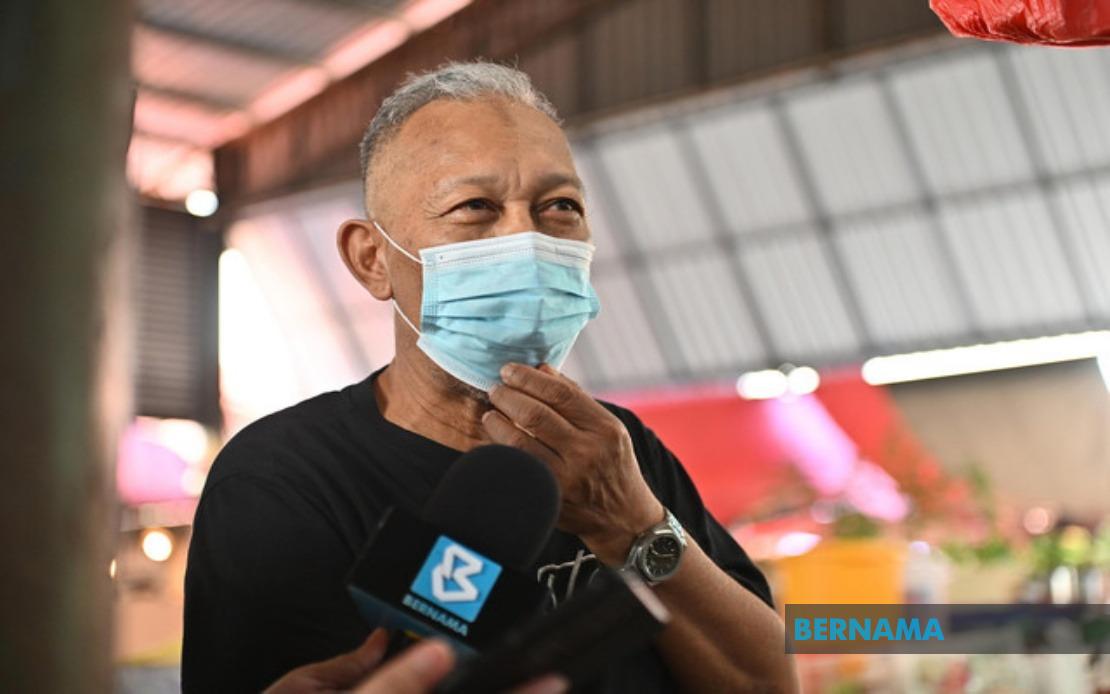
Observations at the bustling Serian Tamu Market revealed a subdued atmosphere compared to typical trading days, with several vendors protecting themselves with face masks while attending to a noticeably thinner stream of customers. The reduced foot traffic reflects a behavioral shift among residents who are consciously limiting unnecessary outings, choosing instead to conduct essential errands and then retreat indoors. This cautious approach, while sensible from a health perspective, inevitably impacts the informal economy that sustains many livelihoods in smaller towns throughout East Malaysia.
Asmail Kipli, a 62-year-old vegetable trader operating from the Gedong area, epitomizes the difficult calculus facing small business operators during hazardous air quality episodes. Despite experiencing a 30 per cent contraction in both customer numbers and daily income over preceding days, Kipli maintained his trading position, driven by the pressing obligation to cover his stall rental fees. His pragmatic assessment reveals that while current haze conditions remain tolerable enough for continued commerce, the visible deterioration in business viability presents real financial strain for vendors operating on tight margins. For traders like Kipli, the choice between health protection and financial survival often leaves little room for idealism.
The economic impact extends beyond mere customer inconvenience. Marina Latong, a 53-year-old fruit vendor, made the strategic decision to curtail her operating hours, closing her stall at 3 pm rather than maintaining full-day operations. This operational contraction represents a proactive measure to limit her personal exposure while conserving resources if prolonged haze forces complete closure. Latong's contingency planning—she explicitly warned of temporary shutdown should air quality continue deteriorating—demonstrates how traders are adapting their business models in real time to respond to environmental hazards. Such flexibility, while protecting individual health, further reduces the supply of essential goods that residents depend upon.
Beyond the marketplace, residents of surrounding villages continued navigating their customary routines, venturing out to purchase groceries and other daily necessities despite the visible haze and associated respiratory risks. This persistence reflects both the practical reality that communities cannot simply halt all activity during environmental crises and a degree of resignation that has emerged in regions experiencing recurring haze episodes. The normalization of hazardous air quality, while economically necessary, raises longer-term public health questions about cumulative exposure and the sustainability of outdoor livelihoods in increasingly polluted environments.
The government's response included decisive action on the educational front. Authorities shuttered 107 schools across Serian district from August 13 through Friday, prioritizing student health by removing a major vector of daily outdoor exposure. School closures represent an acknowledgment that prolonged exposure to unhealthy air poses unacceptable risks to developing lungs and general wellbeing of children. However, such closures also create secondary disruptions for working parents and complicate educational continuity, particularly in rural districts with limited distance-learning infrastructure.
Serian's experience reflects broader patterns playing out across Sarawak and neighboring Malaysian regions whenever transboundary haze descends from Indonesian fires. Unlike isolated incidents, these pollution events have become semi-predictable seasonal occurrences, particularly during dry months, forcing communities to develop coping mechanisms and resilience strategies. The town's pragmatic response—maintaining essential economic functions while implementing protective measures—mirrors approaches adopted throughout the region.
The 30 per cent income decline reported by traders represents tangible economic damage extending beyond temporary inconvenience. For towns like Serian that depend substantially on informal retail and smallholder agriculture, such disruptions accumulate across multiple episodes, potentially affecting annual earnings and long-term business viability. This economic dimension of haze episodes merits greater policy attention, as communities absorb costs that ultimately stem from environmental degradation occurring beyond Malaysia's borders.
Longer-term implications for Serian and comparable communities include growing questions about sustainable urban planning and economic development in regions chronically exposed to transboundary pollution. If haze episodes continue intensifying or extending in duration, current adaptation strategies may prove inadequate. Investments in indoor commercial alternatives, improved air filtration in schools, and economic diversification away from outdoor-dependent livelihoods warrant serious consideration by development authorities planning for regional resilience.

