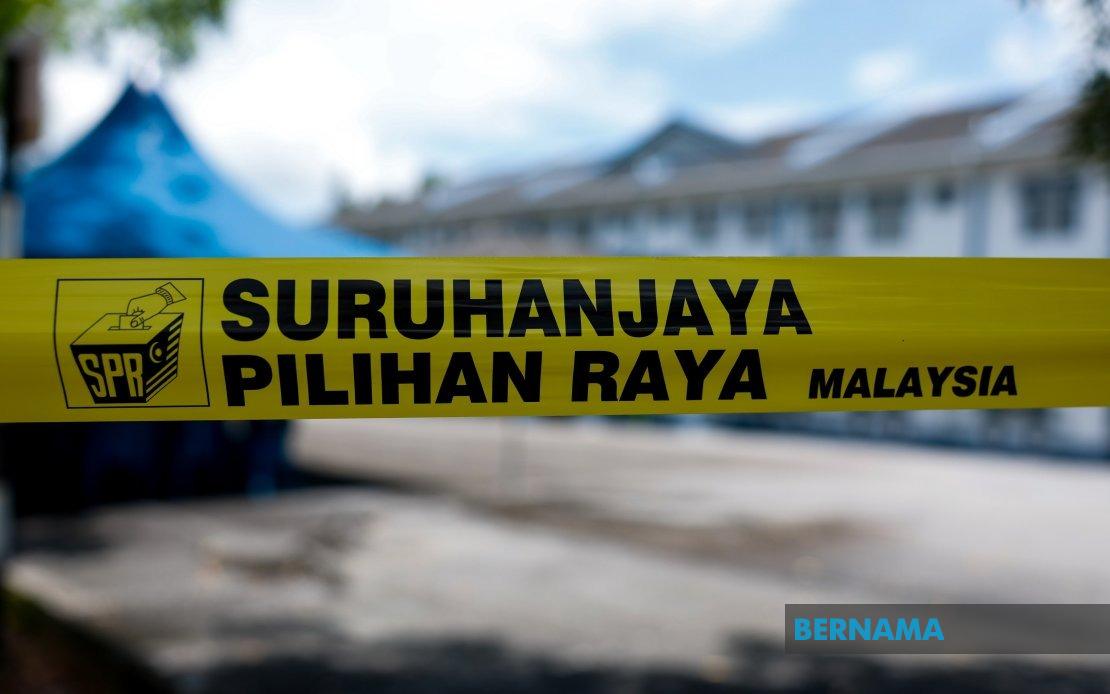
Authorities in Negeri Sembilan have initiated investigations into seven cases involving violations of electoral law during the ongoing campaign for the 16th state election, according to a statement released by Negeri Sembilan Police Chief Datuk Alzafny Ahmad. The enforcement activity reflects the police's commitment to maintaining order during the high-stakes political period that will culminate in voting on August 1.
Two of the investigation files were opened yesterday in connection with offences under Section 427 of the Penal Code, which addresses property damage and mischief. The specific nature of these incidents underscores the potential for campaign tensions to spill over into destructive behaviour, a concern that authorities have flagged as part of broader monitoring efforts across the state.
The police received a total of 12 reports concerning electoral violations during the five-day period from July 18 to 22, demonstrating the sustained enforcement presence required to oversee competitive campaigns. This volume of reports suggests that while serious breaches remain relatively contained, the regulatory framework is being tested as candidates and their supporters mobilise across constituencies.
Permit applications for political gatherings and campaign activities have been processed at a steady rate, with 53 approvals granted yesterday alone. This brings the cumulative total of authorised permits to 226, indicating that the state's political parties and candidates have mounted substantial ground operations involving public rallies and community engagement activities.
The Election Commission has scheduled early voting for July 28, providing an opportunity for those unable to cast ballots on the main polling day. This staggered voting arrangement, combined with intensive police and election administration oversight, is intended to prevent last-minute disruptions and ensure that the democratic process proceeds smoothly across all constituencies.
Datuk Alzafny emphasised that all political activities remain under active police supervision to ensure compliance with electoral regulations and to protect public safety throughout campaign season. This monitoring regime extends beyond investigating specific complaints to include proactive observation of major campaign events and gatherings, reflecting the security demands inherent in managing competitive state elections.
The police chief stressed that enforcement will continue to be applied consistently and fairly to all political actors, with legal consequences for those who breach regulations. The commitment to stern action against violations signals that the police intend to deter potential offenders and maintain a level playing field for all candidates and parties participating in the contest.
For Malaysian elections, particularly at the state level, campaign-period violations can range from unauthorised assemblies and breach of public order to property damage and incitement. The specific documentation of incidents in Negeri Sembilan provides voters with assurance that authorities are actively managing risks associated with intensive political activity in the weeks preceding polls.
The appeals to public cooperation and respect for democratic norms represent a broader effort to frame the election as a community endeavour rather than a confrontational exercise. By encouraging voters and citizens to report violations and comply voluntarily with regulations, authorities aim to distribute responsibility for maintaining order beyond law enforcement agencies alone.
Negeri Sembilan's experience during this campaign period may offer insights relevant to other upcoming electoral contests within Malaysia, particularly regarding the types and frequency of violations that emerge during competitive races. The documented enforcement activity suggests that while major disturbances have been avoided, maintaining electoral integrity requires continuous vigilance and swift investigation of reported breaches.
The Election Commission's timeline, with early voting on July 28 and polling day on August 1, means that campaign intensity will remain high over the coming week. This concentrated period heightens the importance of police readiness to respond quickly to any incidents that might compromise voting arrangements or public confidence in the electoral process.
For Southeast Asian context, Negeri Sembilan's approach to managing electoral campaigns reflects broader regional trends toward more structured regulation of political activity, supported by active law enforcement. The transparency demonstrated by police announcements also aligns with international expectations regarding accountability in electoral administration.
As the campaign enters its final stretch, the combination of police enforcement, electoral commission oversight, and public engagement will be tested. The relatively small number of formal investigations opened so far suggests that campaign conduct remains largely within legal bounds, though continued vigilance will be essential to ensure that the remaining days proceed without significant incident.

