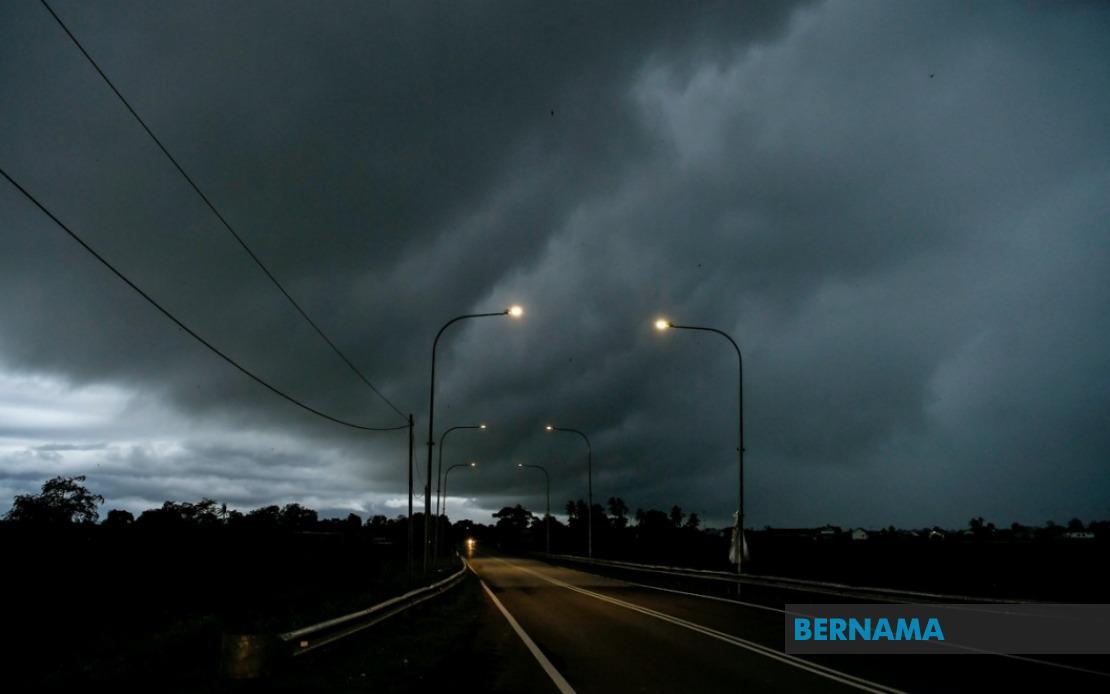
Malaysia's Meteorological Department has sounded the alarm for severe weather conditions sweeping across multiple regions of the country, warning of thunderstorms accompanied by heavy precipitation and dangerous wind gusts expected to persist throughout the morning and into early afternoon. The alert underscores the unpredictable nature of Malaysia's tropical climate during the monsoon season, when rapid weather deterioration can pose significant risks to daily activities and infrastructure across affected areas.
The Selangor region faces particular vulnerability, with the coastal district of Sabak Bernam identified as a hotspot for the developing storm system. This area, situated along the Straits of Malacca, is particularly susceptible to weather systems that develop over open water and intensify as they move inland. Residents in Sabak Bernam should exercise heightened caution, particularly those engaged in maritime activities or living in flood-prone zones, as sudden downpours in low-lying coastal areas can trigger rapid inundation.
Perak residents across multiple districts must also prepare for adverse conditions, with the meteorological warning covering the industrial zone of Manjung, the central region of Perak Tengah, and the riverine areas of Bagan Datuk and Hilir Perak. The diversity of these districts—ranging from port facilities to agricultural lands—means the impact of heavy rainfall will vary significantly. Manufacturing operations and port activities in Manjung may experience disruptions, while farming communities across Perak Tengah face potential crop damage and flooding of agricultural plots.
The warning extends across substantial portions of Sarawak, encompassing both coastal and interior divisions with nine distinct areas listed under the alert. From the southern border region of Betong to the industrial heartland of Sarikei and onwards to the riverine communities of Sibu and Kapit, residents across the state must brace for intense weather. The geographical spread of this alert highlights how a single weather system can affect Sarawak's diverse landscape simultaneously, impacting both urban centres and remote indigenous settlements.
Sabah faces threats across three administrative divisions, covering the interior highlands through Sipitang and Beaufort, the densely populated west coast centred on Kota Kinabalu, and the northern coastal region around Kudat. The sheer geographical range of the warning reflects the scale of the weather disturbance and suggests a substantial weather system with considerable spatial extent. Kota Kinabalu's status as Sabah's commercial hub means disruptions here could reverberate through the state's economy, affecting businesses, transportation networks, and essential services.
The Federal Territory of Labuan, Malaysia's international financial centre and an offshore oil and gas hub, faces the prospect of severe weather affecting the entire island. Given Labuan's critical role in the nation's energy sector and financial services industry, disruptions arising from thunderstorms and heavy rain could have broader economic implications beyond the immediate physical impacts on the island itself. Shipping activities and offshore operations may require adjustment or suspension depending on wind intensity.
Thunderstorms of this magnitude carry multiple hazards beyond rainfall alone. Strong winds accompanying the system pose dangers to vulnerable structures, can topple trees and power lines, and create hazardous conditions for road users. The combination of reduced visibility from heavy rain and powerful gusts makes travel particularly treacherous during peak periods of the storm. Commuters planning journeys through affected areas should exercise significant caution and consider postponing non-essential travel during the warning period.
The alert's validity window until 1 pm provides a specific timeframe for affected residents and authorities to take preparatory action. While this timeframe suggests the system may move through relatively quickly, the intensity of conditions during this period demands serious precautions. Drainage systems in low-lying areas should be verified as functional, outdoor items should be secured, and vulnerable populations should have contingency plans for rapid shelter access.
For Malaysian readers across these regions, such warnings represent the meteorological department's ongoing efforts to provide advance notice of potentially hazardous weather. The specificity of the alert—naming particular districts rather than entire states—enables residents to assess their own immediate vulnerability more accurately. Those outside the listed areas should nonetheless monitor weather updates, as atmospheric systems occasionally evolve differently than forecast.
The broader context of such weather events in Malaysia relates to the country's position within the tropical climate zone, where convective thunderstorms can develop rapidly and intensify with minimal warning. The monsoon seasons, particularly the Southwest Monsoon period, generate conditions favourable for such systems. Climate studies suggest that extreme precipitation events may increase in frequency or intensity in coming decades, making contemporary weather preparedness increasingly important for Malaysian communities.
Authorities in affected states typically activate emergency protocols during such warnings, positioning resources for rapid response to flooding, landslides, or infrastructure damage. Public communication channels disseminate updates as weather conditions develop, enabling dynamic adjustment of activities and movement restrictions where necessary. Residents are encouraged to maintain awareness of official updates rather than relying on social media speculation about weather developments.
The issuance of this alert demonstrates the value of advance meteorological forecasting in enabling communities to prepare for natural hazards. While thunderstorms remain a normal feature of Malaysia's climate, their intensity and potential for causing damage necessitate serious preparation and adherence to safety guidelines during warning periods. Individuals and organisations across affected areas should take the alert seriously and implement appropriate protective measures.

