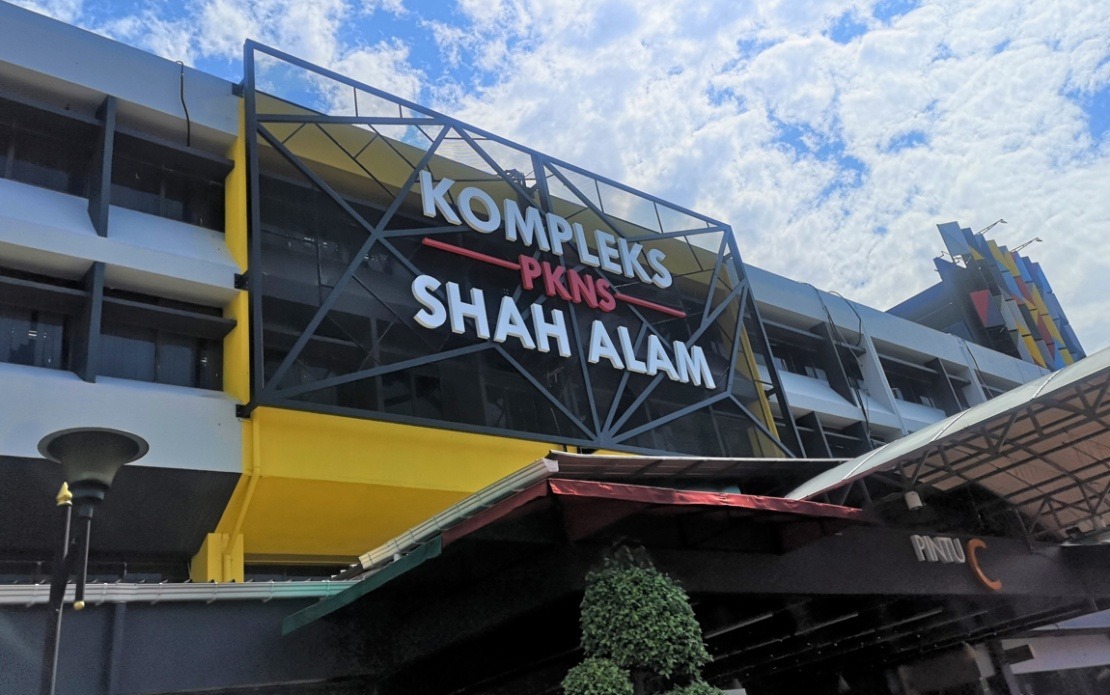
The Shah Alam PKNS Complex reopened its doors to tenants, visitors and staff on Wednesday following a fire that broke out the previous afternoon, with the Selangor State Development Corporation confirming that all mandatory safety protocols had been satisfied before allowing normal business activities to resume. The incident, which occurred on the complex's premises, prompted immediate action from facility management and emergency responders to ensure the wellbeing of those inside the multistory commercial and residential facility.
According to PKNS management, preliminary findings from the building's facility management team indicate that the fire originated within an Air Cooled Package Unit panel located inside an Air Handling Unit room on the structure's first floor. This type of equipment failure represents a relatively common source of fire risk in large commercial buildings across Malaysia, where air-conditioning and ventilation systems operate continuously to manage the tropical climate. The identification of the specific fire origin provides valuable information for preventing similar incidents at other facilities.
In response to the fire outbreak, building management immediately shut off electrical supply and air-conditioning systems in the affected zone as a precautionary measure to contain the situation and prevent further damage. The swift disconnection of power represented a critical safety decision, as electrical components in compromised air-handling systems can pose ongoing ignition risks. This proactive approach reflected adherence to established emergency protocols designed to minimise exposure to hazardous conditions during active fire incidents.
Emergency procedures were activated immediately upon confirmation of the fire, with the complex's management ordering evacuation of Phase 1 of the building through its public address system. The structured evacuation process demonstrated that the facility's emergency management systems functioned as intended, allowing occupants to leave the building in an orderly manner without panic or disorder. Such coordination between building management and occupants proves essential in maintaining safety during unplanned incidents in densely occupied commercial spaces.
Responding firefighters from the Selangor Fire and Rescue Department succeeded in bringing the blaze under control rapidly, preventing it from spreading to adjacent sections of the complex. The quick suppression effort protected the broader facility from more extensive damage and preserved the safety of everyone present. Fire department personnel demonstrated proficiency in managing the situation, which reflects the standard of emergency response capabilities maintained across Selangor.
The Assistant Director of Operations for Selangor's fire service, Ashrul Riezal Asbar, confirmed on the day of the incident that the fire had been successfully contained and critically, that no injuries or fatalities resulted from the emergency. The absence of casualties underscores the effectiveness of the evacuation procedures and the rapid response from emergency personnel. For a facility of the Shah Alam PKNS Complex's size and occupancy, maintaining a zero-casualty outcome during such an incident represents a significant positive outcome.
While PKNS management completed all necessary safety verifications to permit reopening, the Selangor Fire and Rescue Department continued investigating the precise circumstances that led to the fire. This ongoing investigation will seek to determine whether the fire resulted from equipment malfunction, maintenance deficiencies, manufacturing defects, or other contributing factors. The findings from this inquiry may inform recommendations for enhanced safety measures across similar facilities in Selangor and the broader region.
The incident highlights the importance of regular maintenance and inspection protocols for air-handling and ventilation systems in commercial buildings, particularly in Malaysia's warm, humid environment where such equipment operates under continuous strain. Property managers across the country should view this event as a reminder to prioritise preventive maintenance schedules and ensure that electrical components within HVAC systems receive appropriate oversight. The rapid containment at the Shah Alam PKNS Complex suggests that robust fire suppression systems and emergency procedures were in place and functioned effectively.
For businesses and residents operating within the complex, the return to normal operations represents a return to routine, though the incident will likely prompt heightened awareness regarding building safety measures. The PKNS Complex incident demonstrates that even modern, professionally managed facilities can experience unexpected emergencies, and recovery depends upon well-coordinated emergency response and management protocols. As Selangor continues to experience rapid commercial and residential development, maintaining stringent safety standards across large commercial complexes remains essential to protecting both economic continuity and public welfare.
The successful resolution of this incident provides reassurance to occupants and stakeholders that facility management takes safety seriously and can respond effectively when emergencies arise. Going forward, the findings from the fire department's investigation should be shared widely with property management associations and facility operators throughout Malaysia, enabling the broader real estate sector to strengthen preventive measures and emergency readiness across similar installations nationwide.

