A Shanghai resident with previous convictions for fraud has been sentenced to 10 years and three months in prison after orchestrating an elaborate property scam that defrauded a couple of more than 700,000 yuan, equivalent to approximately US$103,000. The case, which came to light through mainland Chinese media reports, reveals how a man exploited years of personal relationships and his knowledge of Shanghai's urban landscape to perpetrate one of the more brazen real estate frauds on record in the city.
The perpetrator, identified as Sun in reports by Xinmin Evening News, had spent time in prison previously for fraud-related offences before his release in 2017. His background makes the scale of deception even more notable—despite his criminal history, he managed to gain the trust of a migrant working couple who had befriended him nearly three decades earlier. Throughout those years, the couple provided him with consistent material support including regular meals, financial assistance during difficult periods, and ongoing emotional encouragement, demonstrating the kind of loyalty typically reserved for family members.
The scheme began to take shape when the couple approached Sun for help in finding affordable housing in Shanghai, hoping to establish a permanent residence after years of precarious living conditions as migrant workers. Sun presented himself as a well-connected local businessman with ownership stakes in multiple retail properties throughout Shanghai. He further bolstered his credibility by claiming that his cousin held an influential position on the village committee, suggesting he had access to privileged information and opportunities unavailable to ordinary residents seeking property.
Between 2023 and 2025, Sun systematically extracted more than 700,000 yuan from the couple under various pretexts. He convinced them that the funds were necessary for down payments and loan arrangements, assuring them repeatedly that these costs would be deducted from the eventual purchase price. The couple, eager to secure stable housing and trusting in their long association with Sun, complied with increasingly larger financial demands over the two-year period.
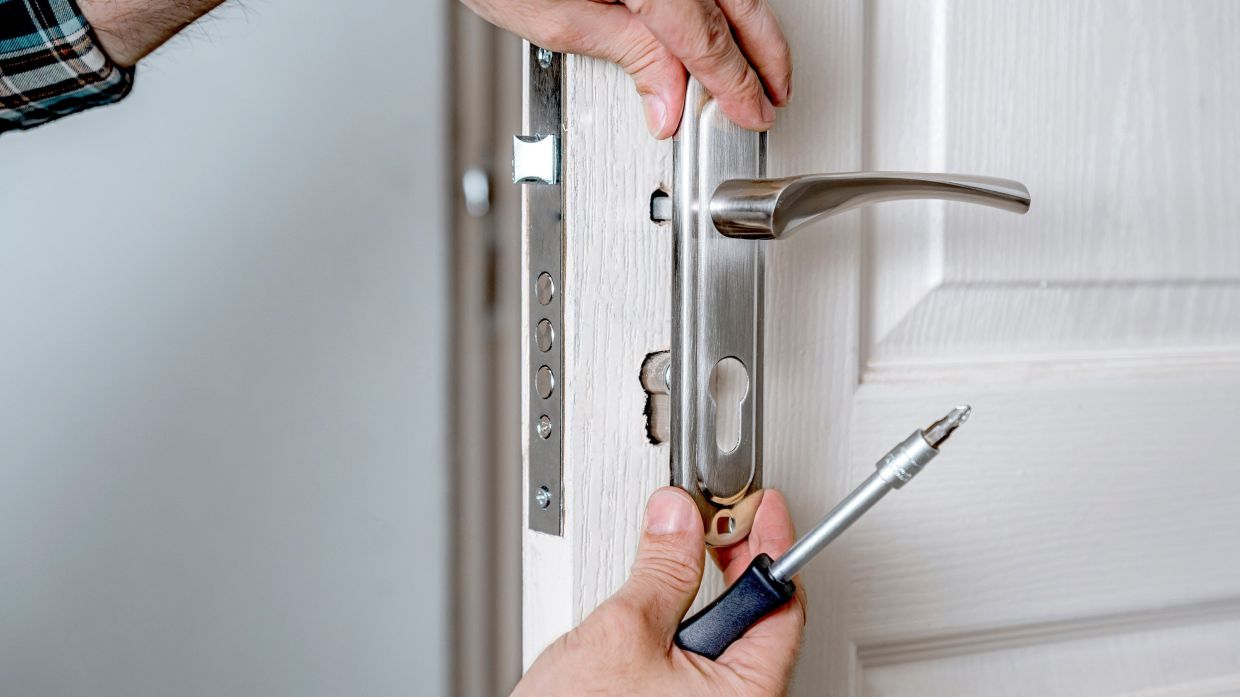
The scheme reached its critical phase when Sun claimed to have identified a suitable relocation flat and demanded an additional 400,000 yuan—roughly US$59,000—to finalise the transaction. At this juncture, Sun executed the central element of his fraud. He located a long-vacant unit within a resettlement housing estate that had been empty for more than three months while the legitimate owner searched for tenants. Sun then hired a locksmith, falsely claiming he had misplaced his keys, and had the lock changed without providing any documentation of ownership. The real owner, a man surnamed Wang, had been unaware that anyone had accessed his property during this period.
With the lock changed and a new key in hand, Sun invited the couple to view the property. He presented it to them as their future home, handed over the newly made key, and produced a fraudulent sales contract purporting to document the legitimate transfer of ownership. The couple, having no reason to suspect their longtime acquaintance would engage in such deception, accepted the property and the documentation at face value. The false sense of legitimacy was reinforced by Sun's apparent ease and confidence in the transaction.
The fraud unravelled when Wang arrived at his flat in May 2025 with a prospective tenant only to discover that his key no longer functioned in the lock. Upon investigation, surveillance footage confirmed that the lock had been tampered with and replaced. Wang immediately reported the incident to police, setting in motion an investigation that led directly to Sun's arrest and confession. Sun admitted that the money he had extracted from the couple—all 700,000 yuan—had already been spent on settling accumulated debts and covering his living expenses, rendering repayment impossible.
The financial impact on the couple extended beyond the initial 700,000 yuan they had already transferred to Sun. Since they had not yet paid the remaining 400,000 yuan demanded for finalising the fraudulent sale, their total losses approached or exceeded the full 700,000 yuan figure. The couple had made no public statements about the case as of the publication date, likely still processing the betrayal by someone they had supported generously for nearly three decades.
The sentencing handed down by a local court reflected the severity of the offence. In addition to the 10-year-and-three-month prison term, Sun received a fine of 100,000 yuan, approximately US$15,000. However, questions remain unanswered regarding the locksmith who facilitated the lock change. No public reports indicate whether this individual has faced legal consequences for their participation in the scheme, though their role—even if unwitting—proved instrumental to the fraud's execution.
The case has generated significant public reaction across Chinese social media platforms, with commenters expressing a mixture of outrage, sympathy for the victims, and broader concern about property transactions in China. Some observers noted that the couple's fundamental mistake was failing to independently verify ownership certificates before proceeding with the purchase. Others expressed moral condemnation of Sun's actions, particularly his ingratitude toward people who had shown him consistent kindness during years when he lacked financial security.
The case carries important lessons for property buyers throughout China and Southeast Asia, where informal real estate transactions and personal referral-based deals remain common despite increasing regulatory scrutiny. Experts and social media commentators have emphasised the critical importance of conducting thorough documentary verification before committing to property purchases, regardless of how trustworthy the intermediary may appear. The consensus emerging from public discussion is that formal channels, official documentation, and independent verification must supersede personal relationships when substantial sums of money and property rights are involved.
For Malaysian readers, the case serves as a cautionary reminder about the risks inherent in cross-border property investments and transactions facilitated through personal networks. While China's property market operates under different regulatory frameworks than Malaysia's, the fundamental vulnerabilities—trust in acquaintances over documentation, failure to verify ownership claims, and involvement of intermediaries without clear legal accountability—transcend regional boundaries. As Southeast Asian property markets continue to attract investors and expatriate workers seeking to establish residency through real estate purchases, maintaining vigilance against such schemes becomes increasingly important.

