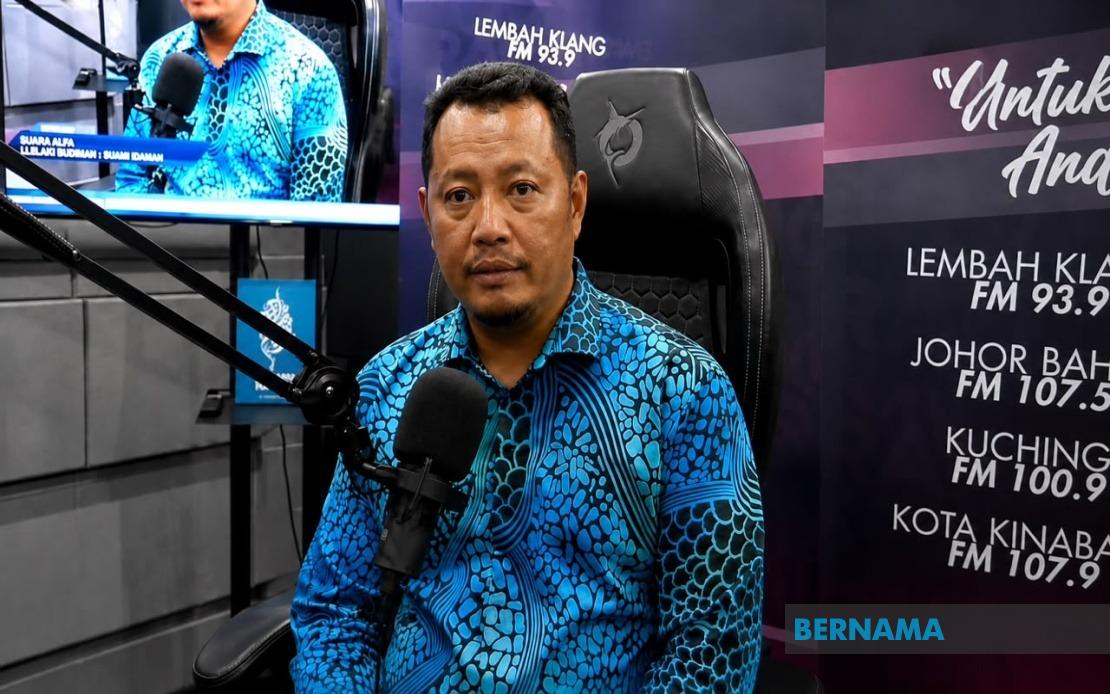
The foundation for developing responsible and gentlemanly men lies not in adulthood but in how children are raised during their earliest years, according to the National Population and Family Development Board (LPPKN). Speaking on a recent Bernama Radio programme, Md Noh Saiman, chief assistant director of LPPKN's Counselling and Intervention Unit, stressed that the qualities expected of an ideal husband and father must be deliberately cultivated from childhood through adolescence, as these formative experiences directly shape how men eventually treat their families and communities.
The process of character development depends fundamentally on the parenting approach adopted by mothers and fathers, Md Noh explained, since children absorb and internalize the behaviour they observe from their parents throughout their growing years. This observation-based learning means that lecturing children about responsibility without demonstrating it through action proves largely ineffective. Instead, parents who consistently model integrity, emotional maturity, and practical contributions to household management teach their sons invaluable lessons about what adult male behaviour should encompass. The cognitive processing that occurs during childhood, where children unconsciously store observations and gradually form their understanding of adult roles, makes early intervention and positive modelling non-negotiable elements of this developmental journey.
Md Noh clarified that the concept of a gentleman extends far beyond superficial charm or romantic gestures, misconceptions often reinforced through popular culture and entertainment media. True gentlemanly conduct involves demonstrating genuine sincerity, maintaining honesty even when inconvenient, and willingly accepting responsibilities within the family unit without expectation of praise or public recognition. This distinction proves crucial because it shifts the focus from performative masculinity to authentic character development rooted in genuine commitment to family welfare and personal integrity.
One concrete manifestation of such responsible masculinity involves active participation in household duties and childcare, areas traditionally undervalued in patriarchal societies. When husbands meaningfully support their partners by sharing childcare responsibilities and managing household needs, they accomplish multiple objectives simultaneously. Beyond the immediate practical benefits, such engagement demonstrates respect for their spouses and acknowledges that family management constitutes legitimate work deserving equal partnership rather than subordinate female responsibility. This collaborative approach creates space for women to pursue professional development and personal aspirations without the psychological burden of managing the entire domestic sphere, thereby fostering gender equity within marriages.
LPPKN's Lelaki Idaman Programme, which recognizes exemplary men, functions not primarily as an award system for those already possessing admirable qualities but rather as a transformative platform for men genuinely seeking to improve themselves and reshape their approach to family life. This reframing proves significant for Malaysian society, as it suggests that positive change remains achievable for men at any life stage willing to undertake self-examination and adjustment. Maturity, in this framework, involves the capacity to receive constructive criticism gracefully and view feedback as an opportunity for growth rather than as personal criticism to be defended against or dismissed based on the source.
The digital age introduces unprecedented complications to this developmental landscape. Social media platforms and online content now significantly influence how both men and women conceptualize ideal gender roles and masculine conduct. Young people absorbing information from diverse and often contradictory online sources develop expectations about gentlemanly behaviour shaped by curated online personas, entertainment content, and peer discourse rather than consistent family modelling or community standards. This fragmented information environment makes parental guidance and institutional support more critical than ever, as families must actively help young people navigate conflicting messages and develop discerning approaches to the values they encounter online.
Strengthening family institutions directly correlates with developing responsible men, as these two objectives reinforce each other rather than operate independently. Men who embrace supportive roles within their families contribute substantially to creating harmonious domestic environments characterized by mutual respect and shared commitment. Such families, in turn, become incubators for the next generation of men who naturally absorb these collaborative models and carry them forward into their own adult relationships. The ripple effects of individual transformation thus extend beyond immediate family members to shape broader societal attitudes toward masculinity and family dynamics.
For Malaysia specifically, this messaging from LPPKN addresses longstanding cultural narratives about male roles that often emphasize economic provision while marginalizing emotional engagement and domestic contribution. As the nation navigates demographic shifts, changing workforce participation patterns, and evolving expectations around gender equality, reimagining what constitutes responsible masculinity becomes increasingly important for maintaining stable families and cohesive communities. The emphasis on early childhood as the critical intervention point aligns with international evidence demonstrating that investments in parenting education and family support systems yield substantial long-term benefits across multiple social domains.
The challenge moving forward involves translating these principles into actionable family practices across Malaysia's diverse communities, where traditional gender roles remain deeply embedded in cultural values and religious frameworks. LPPKN's institutional platform and ongoing programming efforts represent important steps toward normalizing more equitable family partnerships, though sustained progress requires complementary initiatives addressing workplace flexibility, school curricula incorporating emotional intelligence and collaborative skills, and broader public messaging that validates men's active involvement in childcare and household management. Only through multifaceted approaches combining early childhood education, parental support, institutional change, and cultural messaging can Malaysia effectively cultivate the generation of responsible men that families and society require.

