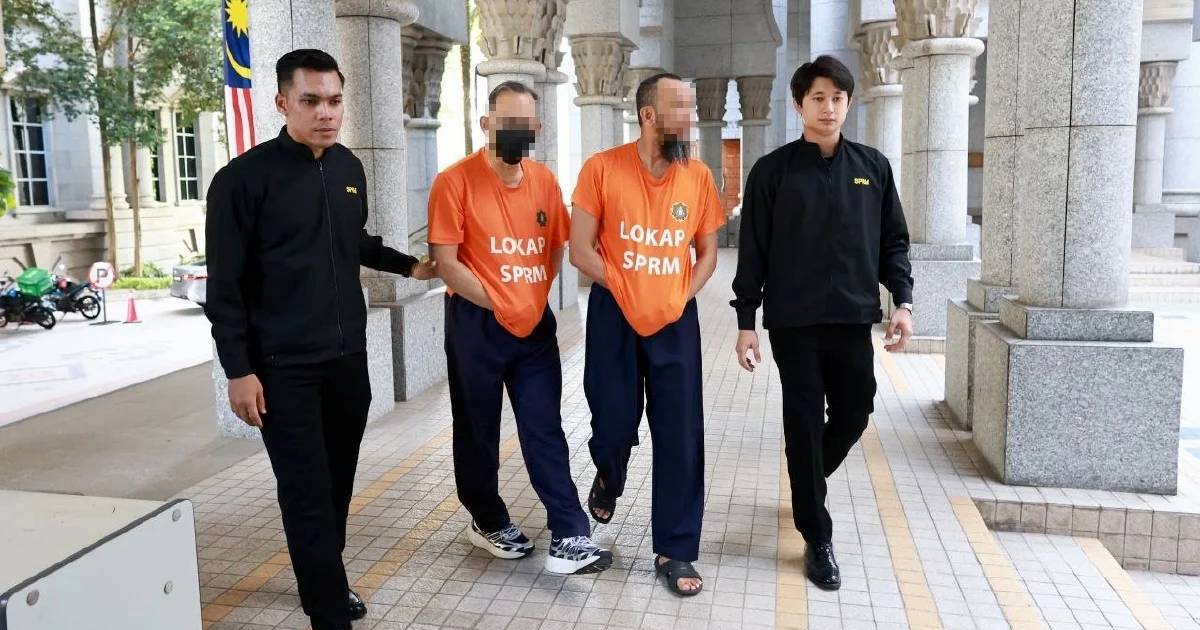
The Malaysian Anti-Corruption Commission's dragnet has widened in its investigation into Tabung Haji, with authorities taking into custody a prominent shipping industry figure holding Datuk status alongside six other individuals to facilitate their questioning regarding potential misconduct uncovered by the pilgrimage fund's high-profile royal inquiry.
The detention of these seven suspects marks a significant escalation in the MACC's enforcement actions related to the Tabung Haji probe, which has cast a shadow over the institutional credibility of one of Malaysia's most important statutory bodies. The shipping executive's involvement suggests that the corruption allegations may extend beyond the fund's internal management into its dealings with external business partners, a troubling indication of how deeply problematic practices may have penetrated the organisation's operations.
Tabung Haji, formally known as Lembaga Tabung Haji, holds a unique and revered position in Malaysian society as the custodian of savings for Muslim pilgrims undertaking the Hajj to Mecca. The fund manages billions of ringgit in deposits and has long been regarded as a cornerstone institution for facilitating religious obligations. The appointment of a Royal Commission of Inquiry to examine the organisation's affairs underscores the gravity of concerns that have emerged regarding governance and financial stewardship within its ranks.
The involvement of company directors among those detained suggests that the investigative scope extends across multiple tiers of responsibility. This pattern of arrests typically indicates investigators are pursuing a complex web of alleged transactions or decisions that may have involved collusion between individuals at different organisations or operating levels. The directors' detention points to a broader examination of whether institutional safeguards failed or were deliberately circumvented to enable irregular dealings.
For Malaysia's anti-corruption framework, the MACC's swift action demonstrates the commission's operational capability to pursue high-profile suspects with relative speed once the RCI has completed its preliminary findings. The involvement of a business figure with Datuk status also signals that the probe does not defer to social standing or business prominence when pursuing credible leads, a message that carries weight given concerns about selective enforcement in Malaysian corruption cases.
The Tabung Haji scandal, broadly construed, has implications for Malaysia's Islamic finance sector and institutional reputation. The pilgrimage fund operates within a distinct regulatory space and enjoys public trust built over decades. Revelations of potential mismanagement or corrupt dealings risk undermining confidence not only in Tabung Haji itself but in the broader ecosystem of Islamic financial institutions that Malaysian Muslims rely upon for religious and financial purposes.
Investigative focus on shipping industry connections may reveal details about procurement practices, vessel chartering arrangements, or logistics operations that serve the fund's pilgrimage operations. These ancillary business relationships frequently harbour opportunities for manipulation if governance controls are weak. The fact that shipping sector participants feature in the detention list suggests investigators may be examining whether inflated quotations, fictitious services, or improper contract awards funnelled pilgrims' funds into private hands.
Regionally, the Tabung Haji investigation carries significance for Southeast Asian perspectives on institutional integrity. Malaysia's approach to addressing high-level financial crimes within government-linked entities is watched closely by neighbouring nations and international observers assessing rule of law standards in the region. A credible and thorough investigation that reaches senior figures sends a stronger signal than one that concludes with mid-level personnel alone.
The detention period allows MACC investigators to conduct detailed questioning and, where necessary, seek extensions if additional time is needed to establish the contours of alleged misconduct. The simultaneous detention of multiple suspects also prevents coordination or destruction of evidence, a standard investigative tactic in complex financial cases. The pace at which authorities have moved suggests that preliminary documentary evidence from the RCI findings provided sufficient basis for formal investigations to accelerate.
Stakeholders in the pilgrimage sector, including travel agencies, transporters, and religious bodies that partner with Tabung Haji, are likely monitoring developments closely. Uncertainty about the fund's operational stability during the probe period could create administrative disruptions for upcoming Hajj seasons. Clarity on which functions remain unimpaired is therefore important for pilgrims and service providers who depend on reliable institutional processes.
The shipping CEO's detention also illuminates potential vulnerabilities in how government-linked organisations procure external services. Competitive bidding, independent verification of vendor credentials, and segregation of duties represent foundational governance protections that may have been inadequate at Tabung Haji. Addressing institutional reform will require not only punitive measures against those implicated in wrongdoing but systematic overhaul of procurement and oversight mechanisms.
As the investigation progresses, outcomes will likely determine whether Tabung Haji requires management restructuring, fresh governance oversight mechanisms, or both. The pilgrimage fund's financial position and the extent of any losses alleged to have resulted from misconduct will shape the scope of remedial action. For Malaysian policymakers and regulators, the case underscores the necessity of sustained vigilance over even long-established and culturally significant public institutions.

