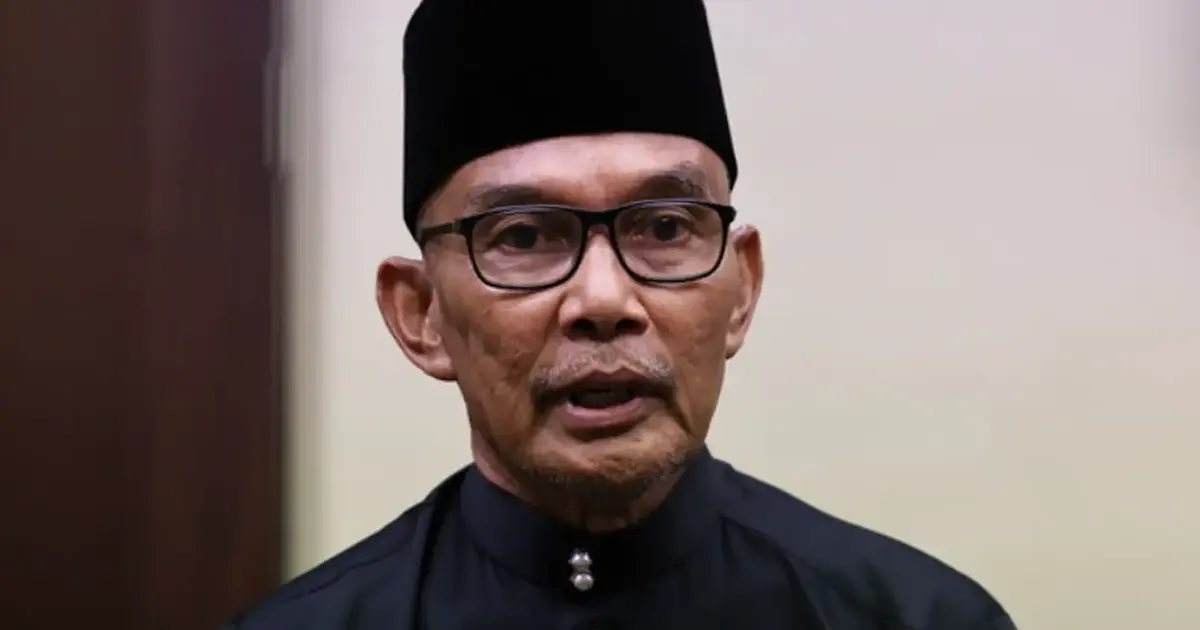
The former menteri besar of Perlis, Shukri, has moved to quell speculation about internal party divisions by categorically denying that he has encouraged members to shun PAS activities or sabotage organisational structures, even as he acknowledged the emotional toll of his removal from the state's top administrative post.
Shukri's statement represents a critical moment in Perlis political circles, where questions about his future relationship with the Islamic party have intensified since his departure from the menteri besar role. The denial comes amid whispers within party corridors that his supporters might engage in a coordinated withdrawal from PAS programmes as a form of protest against what they perceive as his unjust ouster. Such internal fragmentation could weaken the party's grassroots machinery at a crucial time for its organisational consolidation.
The former leader's acknowledgment that he remains emotionally wounded by the circumstances of his dismissal provides important context for understanding the delicate political balance in Perlis. Feelings of betrayal and disappointment often translate into organisational resistance, whether explicit or tacit. By publicly distancing himself from any boycott narrative, Shukri appears to be attempting to protect his political standing within the party structure while signalling to colleagues that he intends to remain a constructive force despite his changed circumstances.
For Malaysian observers, the situation reflects broader tensions within PAS between entrenched leadership factions and emerging challengers. Perlis has historically been a significant stronghold for the party, and any crack in its unity could have ramifications beyond the state's borders. The party's national leadership will be closely monitoring how this situation develops, particularly given PAS's strategic importance in maintaining Barisan Nasional's positioning in northern Peninsular Malaysia.
The implicit question underlying Shukri's denial concerns the sustainability of party loyalty when individuals experience what they view as unfair treatment. In Malaysian politics, loyalty often becomes transactional—members may continue formal participation while withdrawing substantive engagement. A subtle boycott, difficult to prove and punish, could undermine PAS's effectiveness in Perlis without creating the appearance of open rebellion. Shukri's proactive denial appears designed to prevent precisely such a scenario from materialising.
Observers familiar with Perlis politics note that the state has experienced relative stability compared to other PAS-governed territories, largely attributable to strong internal party discipline and leadership consensus. The departure of a sitting menteri besar necessarily disrupts this equilibrium, creating space for speculation about succession disputes and factional manoeuvring. Shukri's statement seeks to foreclose such narratives before they gain traction among the grassroots membership.
The distinction between hurt feelings and organisational sabotage is crucial in this context. Shukri's acknowledgment that he remains emotionally affected suggests that he has processed his removal with some maturity—recognising his pain without allowing it to drive destructive action. This measured approach contrasts with scenarios in other Malaysian states where political defeats have precipitated more dramatic confrontations. His willingness to publicly separate personal disappointment from organisational loyalty may well set a constructive precedent for how PAS handles internal disputes moving forward.
Within the broader Malaysian political landscape, developments in Perlis carry significance for understanding how Islamic parties manage succession and factional tensions. PAS commands a substantial presence in Peninsular Malaysia, and any indication of internal weakness invites scrutiny from rival parties seeking to exploit divisions. By firmly denying incitement to boycott, Shukri is essentially signalling both to PAS leadership and to the wider political community that he recognises the mutual benefits of maintaining party cohesion, even when personal interests might suggest otherwise.
The timing of Shukri's denial also merits consideration. Political statements are rarely issued without strategic calculation. By addressing the boycott allegations head-on rather than allowing them to circulate unchallenged, he demonstrates agency and controls the narrative around his own political future. This proactive posture suggests that he remains engaged with Perlis politics and intends to maintain influence within party structures despite no longer holding executive office.
Looking forward, the sustainability of Shukri's position will depend partly on how PAS's new Perlis leadership treats him and his supporters. If the replacement menteri besar demonstrates magnanimity and inclusive governance, the risk of festering resentment diminishes considerably. Conversely, perceived victimisation of Shukri's faction could eventually overcome the restraint he currently demonstrates. For now, however, his denial of boycott involvement suggests a deliberate choice to remain within institutional frameworks rather than pursue confrontational alternatives.
The situation underscores a fundamental challenge for Malaysian political parties operating in federal structures where state-level positions carry significant power and prestige. Managing leadership transitions without creating lasting divisions requires careful communication, inclusive decision-making processes, and genuine respect for departing office-holders. Perlis's handling of this transition will provide valuable lessons for other parties facing similar circumstances, particularly given Malaysia's increasingly competitive political environment where internal unity directly translates to electoral viability.

