The Neurosurgery Department at Sibu Hospital has successfully transformed into a comprehensive regional referral centre, now providing advanced specialist neurosurgical care to a population exceeding one million people distributed across central Sarawak's diverse geography, spanning from Bintulu Division in the north to Betong Division in the south. This expansion represents a significant milestone in rural healthcare delivery, addressing a critical gap that previously forced patients to undertake expensive and arduous journeys to distant medical facilities.
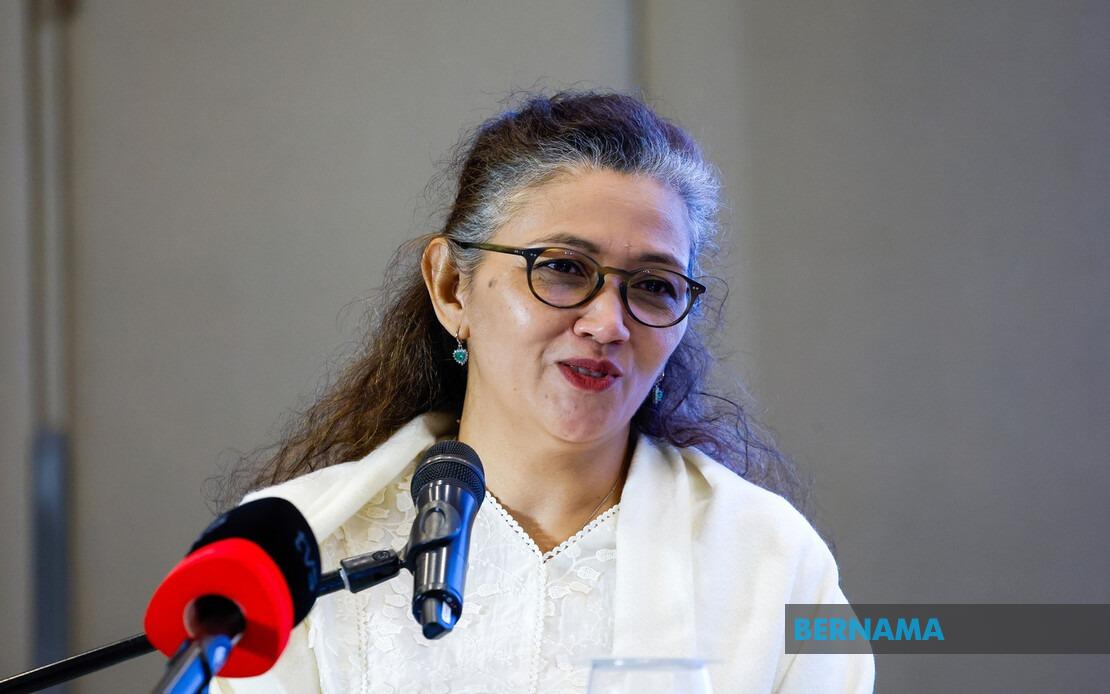
Deputy Health Minister Datuk Hanifah Hajar Taib highlighted the department's remarkable journey during the opening of the Transforming Brain Injury Conference 6.0 (TBI 6.0) in Sibu. The minister underscored how the department has achieved a feat that many larger healthcare systems struggle with—bringing world-class neurosurgical expertise to underserved populations without compromising quality or accessibility. This accomplishment stems from deliberate strategy, institutional innovation, and the unwavering commitment of medical professionals who recognized the urgent need for regional specialization.
One of the department's most innovative features involves conducting regular visiting specialist clinics across multiple towns including Mukah, Bintulu, Sarikei, and Kapit. This decentralized approach has fundamentally altered the patient experience in central Sarawak, eliminating the necessity for residents to uproot themselves temporarily or travel long distances to access neurosurgical consultations. Patients benefit from reduced out-of-pocket expenses, simplified logistics, and preserved continuity of care within their home communities. The programme has also improved treatment compliance rates, as patients find it considerably easier to maintain regular follow-up appointments when services come to their doorstep rather than requiring travel to distant urban centres.
The financial impact of this regional development cannot be overstated. Since 2013, the neurosurgery department has accumulated more than RM50 million in savings by eliminating the need for costly medical evacuation transfers to Kuching. These resources represent the difference between life and death for many central Sarawak residents who might otherwise have delayed treatment due to expense or logistical barriers. The savings reflect not merely administrative efficiency but the prevention of unnecessary suffering and improved health outcomes across the entire region.
Datuk Hanifah Hajar commended Dr Nelson Yap Kok Bing, who leads the department, and his team for their outstanding contribution to healthcare delivery in central Sarawak. The minister characterized the neurosurgery programme as a textbook example of what becomes possible when healthcare professionals combine vision with pragmatic problem-solving. The department's achievements demonstrate that excellence in specialist medicine is not confined to major urban centres but can flourish in regional settings when supported by dedicated leadership and adequate institutional backing.
The minister described Sibu's neurosurgery model as a template for rural specialist healthcare development worthy of national recognition and potential replication. As Malaysia grapples with healthcare disparities between urban and rural regions, the Sibu model offers concrete evidence that such gaps can be meaningfully addressed through strategic planning and resourceful implementation. Other Malaysian states and healthcare systems could benefit from studying this approach as they consider how to enhance specialist services in their own regions.
The Health Ministry has committed to deepening its collaboration with the Sarawak government, healthcare institutions, universities, and professional bodies to strengthen specialist services throughout the state. This partnership approach reflects an understanding that sustainable healthcare transformation requires coordinated effort across multiple stakeholders. By working with academic institutions and professional organizations, the ministry aims to create pathways for knowledge transfer and continuous improvement in neurosurgical practice.
Datuk Hanifah Hajar emphasized that sustainable healthcare transformation extends far beyond physical infrastructure and equipment procurement. Long-term success depends upon continuous investment in the human foundation of healthcare—doctors, nurses, allied health professionals, and researchers who drive innovation and quality improvement. The minister stressed that building local expertise represents an essential component of healthcare security and regional self-sufficiency. By nurturing talent within Sarawak's own healthcare system, the state reduces dependency on external resources and creates career pathways that attract and retain skilled professionals.
The Sibu neurosurgery programme's success carries particular significance for Southeast Asia's broader healthcare landscape. Rural and regional populations across the Association of Southeast Asian Nations face similar challenges accessing specialist care. The Sibu model demonstrates that geography need not condemn populations to inferior medical outcomes. By thoughtfully deploying specialist expertise and leveraging outreach programmes, healthcare systems can extend the frontier of advanced medicine into previously underserved territories. For Malaysian policymakers and healthcare administrators, Sibu Hospital offers both inspiration and a practical blueprint for healthcare equity.

