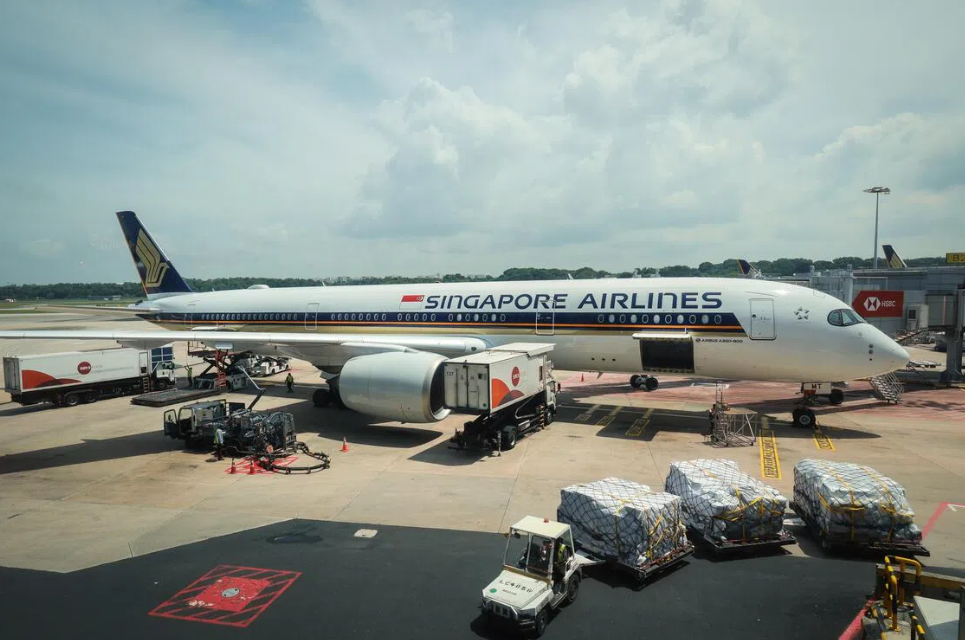
A Singapore Airlines flight heading to New York was forced to abort its journey and return to Changi Airport in the early hours of August 13 after encountering an unspecified technical problem shortly after take-off. Flight SQ22 had departed at 11.35pm Singapore time on August 12, but the Airbus A350-900 ultra-long-range aircraft returned to base at 3.06am the following morning, disrupting travel plans for 133 passengers and 17 crew members on what ranks among the world's longest direct commercial routes.
The incident involved one of aviation's most demanding flights, with SQ22 typically requiring more than 18 hours of flight time to cover the approximately 16,700-kilometre distance between Singapore and Newark. Such extended operations demand meticulous aircraft maintenance and crew management protocols to ensure both safety and operational viability. The airline's decision to turn back rather than continue or divert highlights the seriousness with which technical concerns are treated, even when they may not pose immediate danger to those on board.
Singapore Airlines did not disclose the specific nature of the technical malfunction that prompted the return, citing standard operational practice. A spokeswoman confirmed the occurrence in response to media inquiries but maintained that further details regarding the fault would not be publicly shared. This reluctance to elaborate is typical industry practice, though it left passengers and the public without complete transparency about what had gone wrong with the aircraft. Such operational discretion, while protecting competitive interests and investigation integrity, can leave travellers feeling uninformed about their safety experiences.
Managing the immediate aftermath of the abort required considerable logistical coordination. Since the aircraft needed towing to a remote maintenance bay, passengers could not simply walk to the terminal. Instead, ground staff arranged bus transfers for all 133 customers and 17 crew members, who were directed to the main airport terminal to await rebooking. This operational necessity, while standard procedure, added frustration to an already disruptive situation for people who had been expecting to spend most of the next day in flight.
The airline provided food vouchers to sustain passengers during the wait for alternative arrangements, recognising the physical demands of extended airport time following an overnight disruption. More significantly, Singapore Airlines faced a crew management challenge that would have complicated any attempt to continue the journey using the original flight crew. Aviation regulations strictly limit consecutive flight hours for pilots and cabin crew to maintain safety and prevent fatigue-related errors. The replacement aircraft that departed at 5.41am on August 13 carried a fresh crew, ensuring full compliance with these regulatory requirements that the original crew would have violated had they continued.
The replacement flight ultimately succeeded where the first attempt had faltered, arriving in Newark at 12.15pm local time on the same day. While passengers experienced significant delays and disruption, the airline's backup systems functioned effectively to eventually deliver them to their destination. Singapore Airlines coordinated rebooking arrangements for passengers with onward connections, minimising cascading disruptions to subsequent travel segments. This response underscores the importance of having robust contingency planning for failures on long-haul routes where simple solutions like quick aircraft swaps are not always feasible.
Passenger feedback on social media highlighted the tension between operational execution and transparency. One traveller posted on Reddit that Singapore Airlines managed the crisis "incredibly well" from a service perspective, with ground staff responding helpfully to immediate needs. However, this same passenger expressed frustration at the lack of detail about why the aircraft required towing and why checked baggage could not be retrieved. The airline's operational protocols evidently prioritised moving passengers efficiently rather than providing comprehensive explanations about the technical issues that had disrupted their journeys.
The incident reflects broader challenges facing ultra-long-range aviation, where technical reliability becomes magnified by the extraordinary demands placed on aircraft and crew. Singapore Airlines' flagship SQ22 service represents the cutting edge of commercial aviation capability, but incidents like this demonstrate that even the most advanced aircraft and experienced operators occasionally encounter problems. The A350-900 has generally proven to be a reliable platform, and one technical event does not suggest systemic concerns, though the airline's refusal to detail the specific issue leaves room for speculation among aviation enthusiasts and safety-conscious passengers.
For Malaysian travellers and those in the broader Southeast Asian region, Singapore Airlines' operational incident carries implications for route reliability and backup procedures. Singapore serves as a major hub for long-haul connectivity across the region, and any disruptions on flagship services like SQ22 can cascade through the network. The fact that replacement aircraft and crew were available for rapid deployment suggests adequate operational redundancy, a positive indicator for passengers booking through regional carriers on extended routes.
Singapore Airlines issued a formal apology for the inconvenience and reiterated that passenger and crew safety remains its paramount concern. This standardised response, while appropriate, somewhat deflects from legitimate questions about technical transparency and passenger communication during operational emergencies. The airline industry continues to balance commercial interests and safety protocols with passenger expectations for information, a tension unlikely to be fully resolved by simply attributing all decisions to safety-first priorities.
The episode ultimately resulted in successful recovery, with all passengers reaching their destination despite significant delays. However, it underscores the vulnerability of long-haul operations to technical faults and the complex logistical choreography required to manage failures on routes spanning continents and multiple time zones. As aviation continues to push the boundaries of distance and endurance, robust contingency planning and transparent communication will remain essential for maintaining passenger confidence in air travel.

