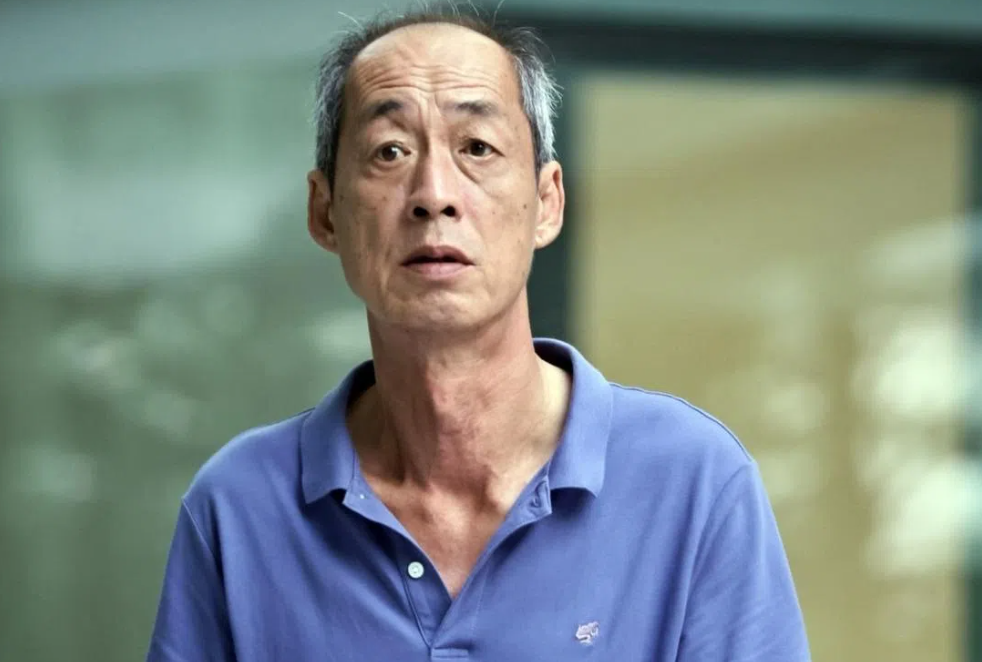
A 61-year-old private bus driver in Singapore has been sentenced to eight weeks' imprisonment after his negligence resulted in the death of an elderly woman who was attempting to leave his vehicle. Ang Oon Leng pleaded guilty to causing the death of Lee Bee Lwee, 72, through an act of gross negligence that fundamentally breached the duty of care expected of professional transport operators. The case underscores the critical importance of attentiveness in public transportation and the severe legal consequences when operators fail to exercise basic safety protocols that could preserve lives.
The incident occurred on March 5, 2025, when Ang was operating a minibus contracted to transport cleaning staff for a private company. He had been employed by the firm in 2024 specifically for this shuttle service, responsible for ferrying workers to and from their workplace each day. At approximately noon, the bus pulled into a taxi stand at Hillion Mall on Petir Road to allow passengers to disembark. Among those exiting was Lee, an elderly woman who had been using the transportation service as part of her employment arrangement. The setting was routine and unremarkable—a standard stop at a shopping mall where passengers needed to alight safely.
What transformed an ordinary moment into tragedy was Ang's extraordinary failure to observe even the most rudimentary safety checks. According to Deputy Public Prosecutor Thaddeus Tan's account presented in court, the driver did not glance toward the doors of the vehicle or verify whether passengers had completed their exit before beginning to drive. More critically, he commenced driving while the rear passenger door remained open. As he navigated the curved section of Petir Road away from the shopping mall, the motion of the bus caused Lee, who was still in the process of alighting, to lose her footing and fall heavily to the ground. The impact of her head striking the pavement was violent enough to produce an audible sound that penetrated the bus itself, finally alerting Ang to the catastrophe he had caused.
The driver's response, once aware of the situation, demonstrated some recognition of the severity of what had occurred. He immediately halted the vehicle and exited to assess the situation. Upon discovering Lee lying injured on the roadway, he promptly contacted police authorities. Emergency responders transported Lee to the National University Hospital, where medical staff attempted to treat her severe head trauma. However, the injuries proved fatal. She succumbed to her wounds at approximately 4 p.m. that same day, never regaining consciousness. What might have been a minor fall on an ordinary pavement became a death sentence because of the force involved and the vulnerable physical condition of an elderly person whose body could not withstand such trauma.
The legal proceedings unfolded with relative speed following the incident. Ang was arrested on March 12, 2025—one week after Lee's death—and subsequently charged in court. The prosecution pursued the matter vigorously, urging the judiciary to impose a sentence of up to twelve weeks' imprisonment. In presenting their case, prosecutors painted a portrait of Lee as a vibrant community member whose life had been cut short by preventable negligence. She was described as a cheerful, healthy individual who enjoyed watching television, listening to music, and actively participated in grassroots community events organized through her local residents' association. Her death represented not merely the loss of a life, but the erasure of a person embedded in social networks and contributing to her neighbourhood's vitality.
When sentencing arrived on July 7, the court imposed eight weeks' imprisonment, falling short of the prosecution's recommendation but still reflecting the gravity of the offense. Beyond incarceration, Ang received additional punitive measures designed to prevent future endangerment. He was permanently disqualified from holding or obtaining any class of driving licence for a five-year period commencing from his release date. This represents a substantial professional consequence for someone whose livelihood has depended on operating vehicles. Furthermore, the court ordered him to pay approximately $2,200 in compensation to Lee's dependents—a recognition that financial restitution, however modest, was appropriate to acknowledge the family's loss. The sentence included a provision that should Ang fail to remit this compensation, he would serve an additional week in custody, effectively converting the monetary obligation into enforceable terms.
The case highlights vulnerabilities within Singapore's transportation ecosystem that resonate across Southeast Asian cities where similar private shuttle services operate extensively. Many companies contract external operators to provide employee transportation, creating a diffuse accountability structure where safety oversight may not match the standards of larger licensed transport providers. Drivers may receive minimal formal training beyond basic licensing requirements, and quality control mechanisms often remain inadequate. The consequences of such systemic gaps became tragically apparent in Lee's death—a scenario that could have been prevented entirely through momentary attentiveness and adherence to elementary safety procedures that most experienced drivers observe instinctively.
The legal framework governing such incidents in Singapore provides substantial penalties to deter negligence. Under relevant statutes, causing another person's death through a negligent act carries potential imprisonment of up to two years, monetary fines, or both. The eight-week sentence imposed on Ang, while lenient relative to the maximum penalty, still represents a serious sanction that will impact his freedom and prospects. However, some observers might question whether the penalty sufficiently reflects the irreversibility of death and the emotional devastation inflicted on Lee's family. The compensation amount, though not trivial in absolute terms, pales in comparison to the lifetime value of a lost family member and the ongoing grief experienced by relatives.
For Malaysian readers and Southeast Asian observers, this case serves as a sobering reminder of transportation safety standards that should apply uniformly across the region's commercial bus and minibus operations. Many Malaysian shuttle services and private bus operators face similar regulatory environments where enforcement remains inconsistent. The incident demonstrates that even a momentary lapse in driver attention during passenger loading and unloading phases can precipitate fatal consequences, particularly when elderly or vulnerable passengers are involved. Companies engaging private drivers should implement rigorous pre-service safety briefings and regular monitoring systems to ensure compliance with basic protocols.
The tragedy also raises questions about manufacturer design standards for buses and minibuses, particularly regarding door closure mechanisms and warning systems. Modern vehicles increasingly incorporate sensors and automated systems that prevent vehicle movement when doors remain open or when motion is detected near exits. While such technology adds cost, it represents an investment in safety that could prevent incidents like Lee's death. Regulatory authorities across Southeast Asia might consider mandating such features in passenger vehicles, recognising that technological safeguards can compensate for occasional human inattention or negligence.
Lee's death ultimately represents a preventable tragedy rooted in a driver's failure to execute the most basic responsibilities of his profession. When entrusted with human lives, operators must maintain constant vigilance regarding passenger safety, particularly during the vulnerable moments when people are entering or exiting vehicles. Ang's eight-week sentence and driving ban serve as judicial reminders of the serious consequences attached to such failures. For the transport industry across Southeast Asia, the case should prompt comprehensive review of safety protocols, driver training standards, and enforcement mechanisms to ensure that no other family experiences the irreplaceable loss that Lee's relatives now endure.

