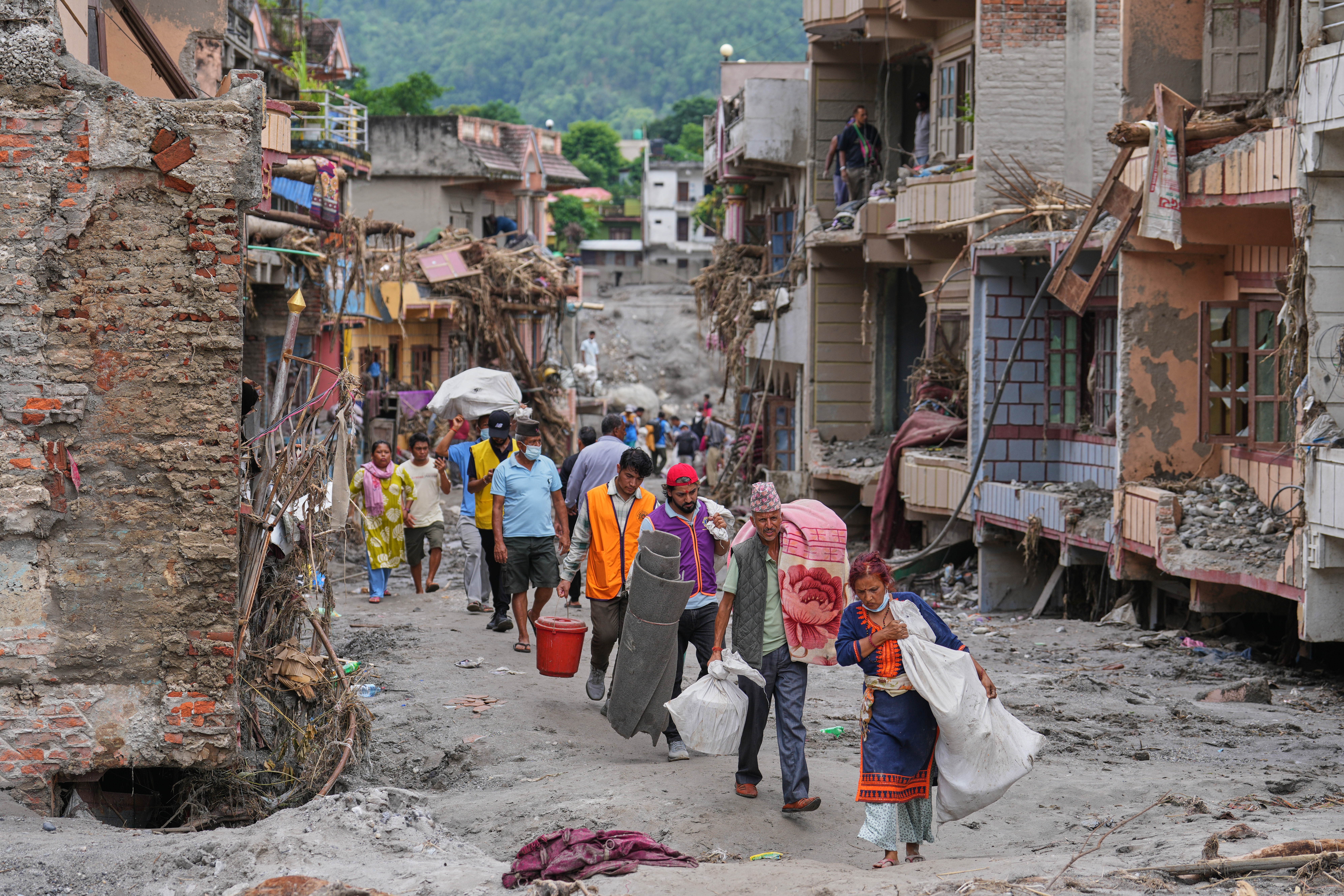
Singapore has mobilised a comprehensive relief package to assist Nepal in the aftermath of catastrophic flash floods that have devastated communities near the Nepal-China border. The Singapore government will deploy both personnel and supplies to support ongoing relief and recovery operations, marking the city-state's commitment to regional humanitarian assistance during the crisis.
The announcement came through Singapore's Foreign Ministry following a conversation between Foreign Minister Dr Vivian Balakrishnan and his Nepalese counterpart, Shisir Khanal. The deployment reflects the longstanding diplomatic ties between the two nations and underscores Singapore's proactive engagement with regional neighbours during emergencies. Dr Balakrishnan directly communicated Singapore's willingness to assist during the ministerial call, setting the foundation for coordinated relief efforts.
Specialised Singapore Police Force officers trained in Disaster Victim Identification will head to Nepal at the formal request of the Nepalese government. This technical expertise is particularly valuable in large-scale disasters where the identification of casualties becomes a critical humanitarian and administrative priority. The deployment of trained DVI personnel demonstrates Singapore's recognition that effective disaster response extends beyond immediate emergency aid to include the complex task of identifying and documenting victims, which carries profound implications for affected families and communities.
Beyond personnel, Singapore is contributing material resources from both civilian government channels and the Singapore Armed Forces. These supplies will address immediate humanitarian needs as relief operations intensify across affected areas. The combination of technical expertise and physical resources reflects a comprehensive approach designed to address multiple dimensions of the crisis simultaneously.
Singapore had previously announced a US$100,000 contribution to the Singapore Red Cross' public fundraising appeal for Nepal relief efforts. This financial commitment preceded the deployment announcement, establishing early support for organisations directly engaged in ground-level assistance. The Singapore Red Cross has so far collected approximately S$1 million for the Nepal relief initiative, demonstrating the generosity of Singapore's private sector and citizens alongside government assistance.
A Crisis Response Team from Singapore's Foreign Ministry has been stationed in Nepal since August 27, providing essential consular support to Singaporean nationals affected by the disaster. This on-ground presence ensures that Singapore's government can provide immediate assistance to its citizens while simultaneously coordinating broader humanitarian efforts. The early deployment of this team highlights Singapore's proactive disaster management protocols and readiness to protect nationals during international crises.
The scale of the disaster remains staggering as recovery efforts continue six days after the initial flooding. Authorities reported that at least 919 people have perished, with nearly 4,800 individuals reported missing. Among the missing are 853 foreign nationals, underscoring the international dimensions of the tragedy and the cross-border humanitarian challenges posed by the disaster. These figures have continued to evolve as search and rescue operations progress and initial casualty counts are refined.
For Malaysia and the broader Southeast Asian region, Singapore's response offers several important lessons. The deployment of trained specialists alongside material aid demonstrates how smaller but well-resourced nations can contribute meaningfully to regional crises. Southeast Asia's geographic vulnerability to natural disasters—from earthquakes to flooding—means that mutual assistance mechanisms and the development of shared technical expertise become increasingly valuable. Singapore's model of combining government expertise with civil society fundraising reflects an integrated approach to humanitarian response that other regional nations might consider emulating.
The disaster also highlights the transnational nature of modern disasters. The Nepal-China border location means that multiple nations have citizens and interests affected by the flooding. Singapore's response includes both protecting its own nationals and contributing to broader international relief efforts, acknowledging that humanitarian crises transcend political boundaries. This approach strengthens the humanitarian framework within which the region operates and builds precedent for future collaborative responses.
The Singapore government has committed to ongoing coordination with Nepal's authorities as relief assistance expands. This partnership approach suggests that Singapore's engagement will likely evolve beyond the initial deployment, potentially including longer-term reconstruction support or knowledge-sharing on disaster preparedness and resilience. For Malaysia, observing how Singapore structures its medium to long-term engagement with Nepal could inform Malaysian approaches to regional disaster response and recovery assistance.
The multilayered response—combining police expertise, military resources, civilian supplies, financial contributions, consular support, and diplomatic coordination—reflects sophisticated disaster management thinking. It recognises that effective humanitarian response requires diverse capabilities deployed in complementary fashion rather than isolated initiatives. As Southeast Asian nations increasingly face climate-related disasters and environmental challenges, this integrated model of regional cooperation may become increasingly important for collective resilience and mutual support during crises.

