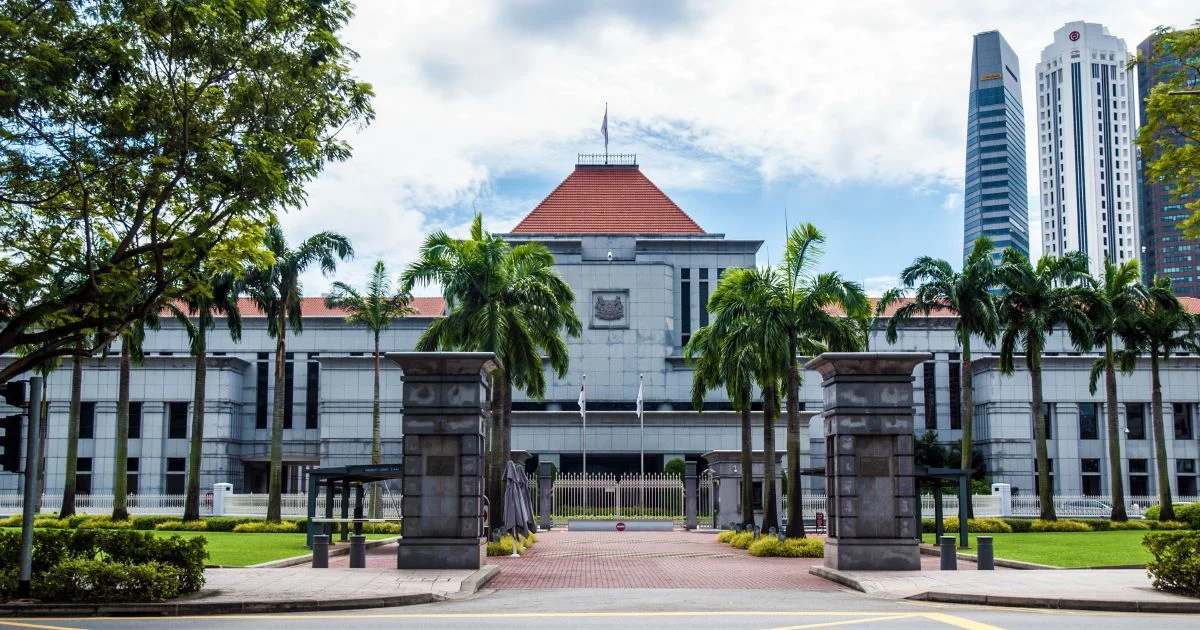
Singapore's police force has taken into custody a 40-year-old man on suspicion of orchestrating anonymous bomb threats directed at two critical state institutions. The suspect is believed responsible for threats made against Parliament House and the Home Team Science and Technology Agency (HTX), according to an official police statement released in the city-state.
The arrest represents part of a broader security posture that Singapore maintains toward safeguarding its government buildings and national infrastructure from potential threats. Parliament House serves as the legislative seat of the Southeast Asian nation and symbolizes its democratic governance structure, while HTX operates as a technological research entity supporting the country's internal security apparatus. Both institutions occupy prominent roles in Singapore's administrative machinery, making threats against them matters of considerable concern for law enforcement.
The decision to apprehend the individual follows investigative work by Singapore's police department, which traced the bomb threats to this particular suspect through a series of procedural steps. The anonymity of the original threats presented initial investigative challenges, yet authorities were ultimately able to establish sufficient evidence linking the 40-year-old to the incidents.
Bomb threats targeting government facilities trigger immediate and extensive response protocols in Singapore. Security services must evaluate the credibility of each threat through established procedures, which typically involve evacuation measures, deployment of specialist bomb detection teams, and disruption to normal operations. Such disruptions extend beyond the targeted buildings themselves, creating ripple effects throughout government operations and potentially affecting public confidence in security infrastructure.
The nature of anonymous threats presents particular challenges for law enforcement across Southeast Asia and globally. Determining whether a threat originates from genuine intent to cause harm or represents a form of hoax or harassment requires careful investigation. Singapore's police have demonstrated sophistication in tracing communications back to their sources, despite deliberate attempts at concealment, reflecting investment in digital forensic capabilities and telecommunications tracking technology.
The case carries implications for how Singapore approaches internal security matters during a period when threats to critical infrastructure have become increasingly sophisticated worldwide. The deployment of technology by bad actors has necessitated corresponding advances in detection and investigation methods. Singapore's capacity to identify and apprehend individuals making bomb threats demonstrates its law enforcement infrastructure's development, though it also highlights the ongoing vulnerabilities present in open societies.
For Malaysia and other Southeast Asian neighbours, Singapore's handling of such security incidents offers relevant lessons. The region faces shared challenges regarding the prevention of threats to government institutions, and cooperation between law enforcement agencies across borders remains essential for addressing transnational security concerns. The incident underscores how individual actors within one jurisdiction can potentially affect the stability and reputation of critical institutions.
The arrest also raises questions about the suspect's motivations and the broader context in which such threats emerge. Understanding whether the individual acted from political conviction, mental health distress, or other factors would inform public discussion about security vulnerabilities and threat prevention strategies. Singapore's police have not disclosed detailed information about the suspect's background or apparent motivations.
Moving forward, the prosecution of this case will likely receive significant attention from security analysts and observers interested in how Singapore's legal system addresses national security matters. The outcome may establish precedents influencing how similar cases are handled in future, potentially affecting both investigative approaches and sentencing considerations within Singapore's framework.
The incident serves as a reminder that despite Singapore's well-developed security infrastructure, threats to government institutions remain possible. Maintaining vigilance requires continuous investment in detection capabilities, staff training, and inter-agency coordination. The rapid identification and apprehension of this suspect demonstrates that Singapore's investment in these areas continues to yield results, though authorities remain conscious that emerging threats require ongoing adaptation of security measures and investigative techniques.

