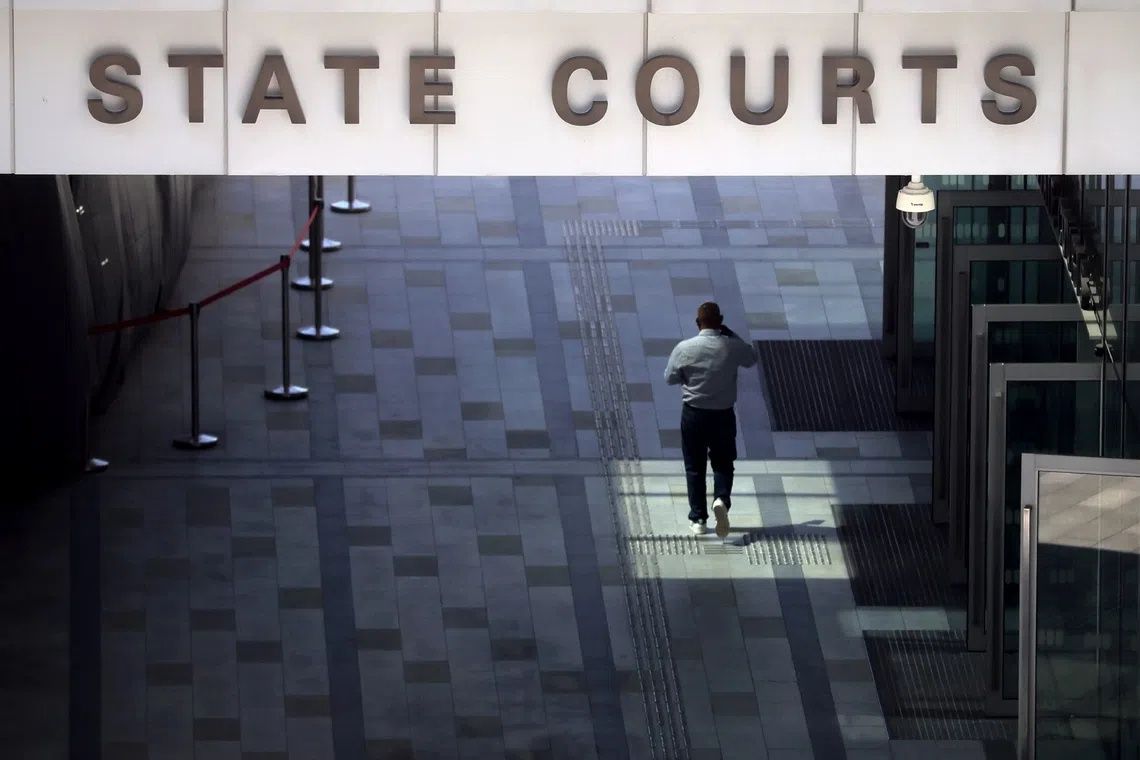
A 40-year-old father in Singapore faces serious charges of child ill-treatment after authorities allege he subjected his young son and daughter to abuse in two distinct incidents spanning several weeks. The man appeared in court on Thursday, August 6, where he was formally charged with two counts of ill-treating a child, though court-imposed restrictions prevent disclosure of his identity or those of his children, a common protective measure in cases involving minors.
According to court documents, the first alleged incident took place on September 8, 2025, at a residential flat located on the eighth floor of an HDB block. Prosecutors claim that at approximately 8.40am, the man instructed his 10-year-old son to remove his clothing and subsequently take a lift to the ground floor of the apartment block. The documents do not clarify whether the child complied with this instruction or what prompted such a directive. This incident has raised questions about the circumstances surrounding the alleged abuse and whether there may have been additional witnesses or intervention.
Just over three weeks later, on October 3, 2025, the situation escalated at Changi Airport Terminal 3. The father allegedly attacked his eight-year-old daughter shortly before 6pm, using multiple forms of violence including slapping, punching, and pushing her. Court records indicate that these actions resulted in visible injuries to the child's face and neck, physical evidence that likely contributed to the severity of the charges filed against him. The public setting of the airport, with its heavy foot traffic and security presence, meant that the alleged incident occurred in circumstances where third parties may have witnessed or reported the abuse.
What distinguishes this case is the apparent lack of a single triggering event or explanation. The court documents notably make no reference to the reasons or circumstances that may have motivated either purported act of abuse, leaving questions about whether there were underlying tensions, behavioural issues, or other contributing factors. This absence of stated motivation is significant because it suggests either that authorities are still investigating the broader context, or that no clear justification emerged during preliminary inquiries. The randomness and severity of the alleged incidents paint a concerning picture of potential escalating violence within the household.
The charges represent a watershed moment in child protection enforcement within Singapore's legal system. The jurisdiction has increasingly focused on prosecuting cases of domestic child abuse, reflecting growing awareness of the long-term psychological and physical harm inflicted on young victims. Courts have demonstrated a commitment to protecting children by imposing gag orders that shield identities while simultaneously ensuring that perpetrators face accountability through the criminal justice process. The separate nature of these incidents—one at home and one in a public space—suggests that the abuse may not have been isolated or contained to private settings.
For families and child welfare advocates across Southeast Asia, this case underscores the importance of public vigilance and mandatory reporting mechanisms. Changi Airport's prominence as a major regional transit hub means that incidents occurring there are likely to be documented and reported more readily than those in private residential settings. The involvement of authorities in both locations indicates that someone brought the incidents to official attention, whether through direct reporting or through observation by staff or bystanders. This highlights how institutions and public spaces can serve as critical checkpoints in identifying at-risk children.
The psychological impact on the two children involved cannot be understated. The public nature of the airport incident and the humiliation potentially associated with the HDB block incident suggest trauma that extends beyond mere physical injury. Child psychologists note that abuse occurring in public spaces or involving public humiliation can have compounded emotional consequences for young victims, potentially affecting their sense of safety, trust in authority figures, and long-term developmental trajectories. The ages of the victims—eight and ten years old—place them at critical developmental stages where such experiences can have lasting effects.
Singapore's child protection framework operates through the Children and Young Persons Act, which provides mechanisms for prosecution of parents or guardians who ill-treat minors under their care. The charges filed suggest that prosecutors believe there is sufficient evidence to proceed with formal legal proceedings. The case will be mentioned again on August 13, when further developments are expected, potentially including submissions regarding bail, adjournments for investigation completion, or other procedural matters that will shape the trajectory of the case.
This incident also reflects broader regional concerns about domestic violence and child protection. Malaysia, Singapore, and other Southeast Asian nations have been strengthening their legal frameworks and enforcement mechanisms to address child abuse, recognizing that domestic violence affects not only immediate victims but also contributes to intergenerational cycles of harm. The public prosecution of such cases serves a deterrent function, signalling to the community that abuse will not be tolerated and that perpetrators face meaningful legal consequences.
As the case progresses through Singapore's courts, it will likely generate significant public and professional attention given the nature and circumstances of the alleged offences. Child welfare organisations and legal experts will monitor outcomes to understand how courts balance punishment, rehabilitation, and child protection in such cases. The resolution of this matter will contribute to an evolving jurisprudence on child abuse prosecution in Singapore and may influence approaches to similar cases elsewhere in the region.

