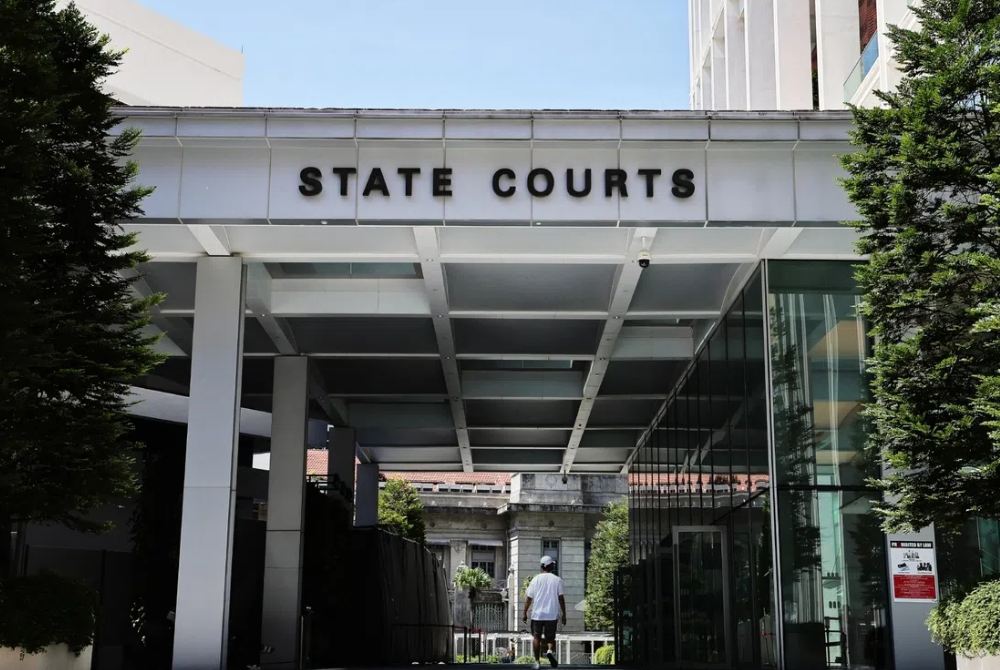
A Singapore court has handed down a near-decade prison sentence to a 31-year-old man convicted of subjecting young primary school pupils to severe physical and psychological abuse while working at a private educational facility. The sentence of nine years and ten months, coupled with eight strokes of the cane, was delivered on Friday in a case that has exposed the vulnerability of children in unregulated care environments and raised serious questions about hiring practices and oversight in private education spaces across the region.
The gravity of the offences centres on the treatment of a six-year-old boy from China, who endured months of systematic brutality that left him with life-threatening injuries including rib fractures and kidney failure requiring nine days of dialysis. District Judge John Ng characterised the abuse as brutal, noting that the child was struck at least 600 times and subjected to stomping on his back and buttocks at least 40 times. Beyond the physical trauma, the victim was forced to consume his own urine, deprived of adequate food and sleep, and made to maintain painful stress positions for extended periods—on one occasion holding a push-up position for over 18 hours while other students ate their meals.
The offender, who cannot be named due to court-ordered anonymity protecting the child victims, pleaded guilty on 9 July to charges of child abuse, voluntarily causing grievous hurt, and providing false or misleading information to the Ministry of Manpower. His guilty plea came after a meticulous investigation that documented the scale and deliberation of his actions. The case is particularly troubling given that the man had no formal teaching or childcare qualifications, yet was placed in a position of authority over vulnerable children—a hiring failure that mirrors concerns in the broader Southeast Asian education sector where unqualified or poorly vetted personnel sometimes gain access to young students.
The prosecution's narrative revealed a chilling pattern of sustained abuse targeting the six-year-old specifically. Beginning in January 2023 when the boy arrived at the facility, he was subjected to irregular punishments that escalated in intensity and cruelty. The abuser exploited the child's dependent situation, controlling every aspect of his existence—what he ate (often only bread and water), where he slept (occasionally in the toilet), and how he spent his time. On one particularly heinous occasion in March 2023, the man forced the boy into an extended push-up position while other students dined, then punched and stomped on him at 1:15 am, placed a chair on his back at 2 am, and forced him to drink his own urine when thirsty. The deliberation here is unmistakable: this was not momentary loss of temper but calculated torture of a defenceless child.
A particularly damning detail emerged regarding the offender's manipulation of parental consent. On the morning following the initial overnight abuse, he telephoned the child's father and requested permission to discipline the boy without disclosing the physical violence already inflicted or describing what form the discipline would take. Armed with this vague permission, he then spent the entire day battering the child with a clothes hanger—applying such force that the implement fractured—before continuing with the broken hanger and additional kicks and stomping. When the child became too weak to stand, he was carried to the toilet and sprayed with water. The cynicism of seeking parental approval after committing abuse, combined with his withholding of critical medical care for three days afterwards because he feared police involvement, demonstrates premeditation and consciousness of guilt.
The court heard mitigating circumstances presented by the defence, which argued that the offender had himself experienced abuse as a young boy. His father suffered from alcoholism and his older brother was involved in organised crime and had physically abused him. However, Judge Ng firmly rejected the notion that such background could diminish culpability. The judge observed with pointed logic that having experienced abuse should have positioned the offender to recognise its damage and refrain from inflicting it on vulnerable children who had trusted him. This reasoning aligns with psychological research showing that trauma survivors are not inevitably propelled toward re-traumatising others, and that choosing to break cycles of violence is morally essential, particularly for those entrusted with child welfare.
The prosecution, represented by Deputy Public Prosecutors Timotheus Koh and Cheronne Lim, emphasised the profound breach of trust inherent in the crimes. The offender occupied a position of care and protection, yet weaponised that access to perpetrate violence. The six-year-old victim's injuries—critically, the kidney failure—underscore that this was not rough discipline but assault causing serious bodily harm. The prosecutors highlighted that the offender's refusal to seek medical attention for three days, motivated purely by fear of detection, demonstrated callous disregard for the child's suffering and physical survival. Such conduct suggests moral culpability beyond mere momentary violence: it reflects sustained indifference to another human being's wellbeing.
The facility itself, operated by the offender's aunt, marketed itself as providing accommodation for international students alongside educational services and management consultancy. The offender had been employed there since 2016 in a managerial capacity, despite lacking any formal qualifications in teaching or childcare. This staffing arrangement reflects a broader systemic vulnerability in parts of the private education ecosystem in Singapore and across Southeast Asia, where commercial pressures and tight margins can lead institutions to prioritise cost savings over rigorous vetting and qualification requirements. The absence of adequate oversight mechanisms—such as surprise inspections, mandatory reporting protocols, or background checks—allowed abuse to persist for months before detection.
The victims in this case ranged in age from six to eleven years old at the time of the offences in 2023. While the case name and the offender's identity are protected by a gag order, the broader implications for child protection in regional educational settings are profound. The incident occurred in a context where children from overseas—particularly from China and other Asian nations—may be more isolated from immediate family networks and social support systems that might otherwise detect and report abuse more quickly. Language barriers, unfamiliarity with local reporting mechanisms, and the desire to avoid family embarrassment can all contribute to victims remaining silent.
Judge Ng rejected the offender's request for a one-week deferral of his sentence to attend prayers, demonstrating the court's determination that the severity of the crimes warranted immediate incarceration. The man was permitted brief time with his family before being led away by officers. The sentence, while substantial, will likely be scrutinised by child welfare advocates seeking to understand whether the quantum adequately reflects the gravity of abuse causing near-fatal organ damage and chronic trauma to a child. Nine years and ten months represents a significant custodial term, though questions remain about post-release monitoring, access to psychological rehabilitation for victims, and systemic reforms to prevent similar institutional failures.
For Malaysian readers and parents across Southeast Asia, this case serves as a stark reminder of the importance of vetting educational facilities with rigour, verifying staff credentials, and establishing open communication channels with children about their wellbeing. The concentration of absolute power in an unqualified caregiver's hands, combined with geographical and social isolation, created conditions in which horrific abuse could flourish unchecked. Regulatory bodies across the region should consider whether existing oversight mechanisms are sufficiently robust, whether surprise inspections occur with adequate frequency, and whether there are sufficient incentives for staff and other stakeholders to report concerns. The case also underscores the critical role of parents in maintaining vigilance about their children's emotional and physical states when they are in institutional care, even in ostensibly reputable private facilities.
The sentencing concludes a chapter in this particular case, but it opens broader conversations about child safety in private education and institutional care across Singapore and the wider region. The psychological impact on the victims will likely extend far beyond their time in custody, with the six-year-old's experience of systematic torture, medical crisis, and breach of trust at a formative developmental stage carrying lifelong implications. Equally, the case demonstrates that the justice system, when properly invoked, can deliver substantial accountability—though preventing such abuse from occurring in the first place through robust regulation and cultural change remains the paramount challenge.

