Police in Singapore tasered and arrested a 55-year-old man on July 5 following an incident where he was spotted wielding a saw near a public housing estate in Bedok North. The intervention came after officers received an emergency call around 3.25pm to respond to Block 539 Bedok North Street 3, where the situation had already drawn public concern.
When officers arrived at the scene, they encountered a man in an agitated state who was swinging the saw in a manner that posed a potential threat to himself and bystanders. Rather than comply with the officers' instructions to surrender the implement, the suspect became increasingly belligerent, shouting incoherently and repeatedly ignoring repeated warnings from the police to place the saw on the ground. His erratic behaviour and refusal to cooperate escalated the tensions surrounding the incident.
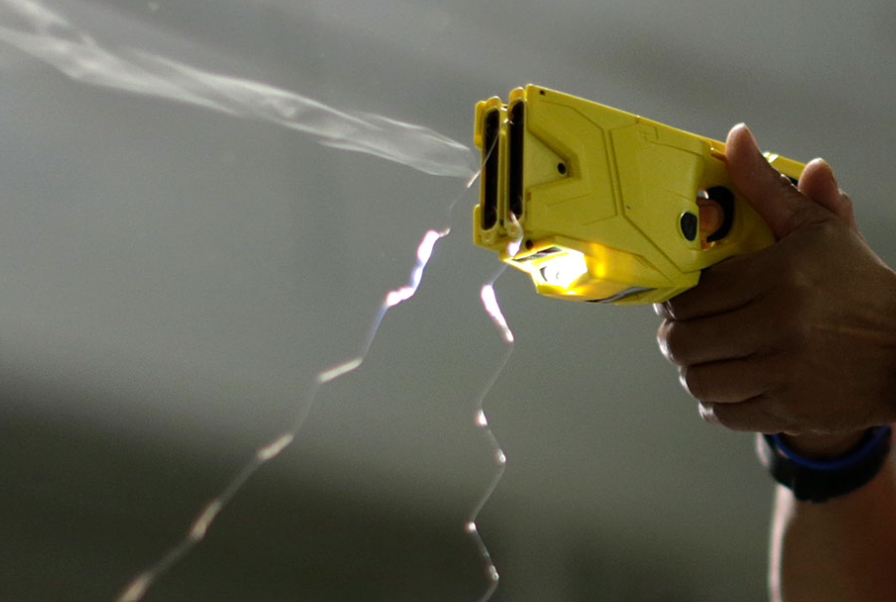
Facing a situation that threatened to spiral further out of control, police made the tactical decision to deploy a Taser to incapacitate the man. This electrical weapon is authorised for use by Singapore's law enforcement when de-escalation attempts have failed and the immediate risk to public safety or officer wellbeing justifies its application. The Taser successfully brought the situation under control, allowing officers to take the man into custody without further incident.
The suspect was subsequently arrested on multiple charges that reflect the seriousness of his conduct and the circumstances surrounding his behaviour. He faces an allegation of creating a public nuisance through his disruptive actions in a densely populated residential area. Additionally, he was charged with possession of an offensive weapon in a public place, which addresses the unlawful carrying of the saw itself. Beyond these immediate charges, authorities also noted a suspected violation related to the consumption of a controlled drug, suggesting that substance use may have been a factor in triggering the volatile behaviour that officers encountered.
Following his arrest, the man was transported to Changi General Hospital while maintaining consciousness, allowing medical professionals to assess his condition and determine whether physical injuries had been sustained during the incident. The decision to hospitalise him reflects standard protocol in cases where force has been employed, ensuring that proper health checks are conducted and documented. His arrival at the facility appeared to have been uneventful, with no serious complications reported as a result of the Taser deployment.
The drug-related element of the case has been forwarded to the Central Narcotics Bureau, Singapore's agency responsible for investigating suspected narcotics offences and coordinating enforcement efforts against drug consumption and trafficking. This referral indicates that authorities view the substance angle as integral to understanding the circumstances that prompted the saw-wielding incident, and the CNB will conduct its own investigation to establish the specifics of any drug involvement.
Singapore's approach to public order incidents involving weapons reflects broader regional concerns about maintaining safety in densely populated urban environments. The city-state's strict laws regarding offensive weapons in public spaces aim to prevent incidents that might otherwise escalate unpredictably. The swift response by police and their willingness to employ specialist equipment when verbal de-escalation proves insufficient underscores how law enforcement balances public protection with individual safety.
For Malaysian readers and broader Southeast Asian observers, the incident highlights how major cities in the region handle mental health and substance-related crises that manifest as public order disruptions. Singapore's integration of law enforcement, emergency medical services, and specialist agencies like the CNB reflects a coordinated approach that many regional jurisdictions continue to refine. The emphasis on using proportionate force and ensuring that arrested individuals receive medical evaluation offers insights into contemporary policing practices across the region.
No other individuals were injured during the incident, suggesting that the police response successfully contained the threat before escalation could occur. This outcome underscores the effectiveness of rapid response protocols and the training that Singapore's officers receive in managing volatile situations. The wider public in the Bedok North area would have experienced disruption during the police operation, though the swift resolution of the matter would have restored normality to the neighbourhood relatively quickly.

