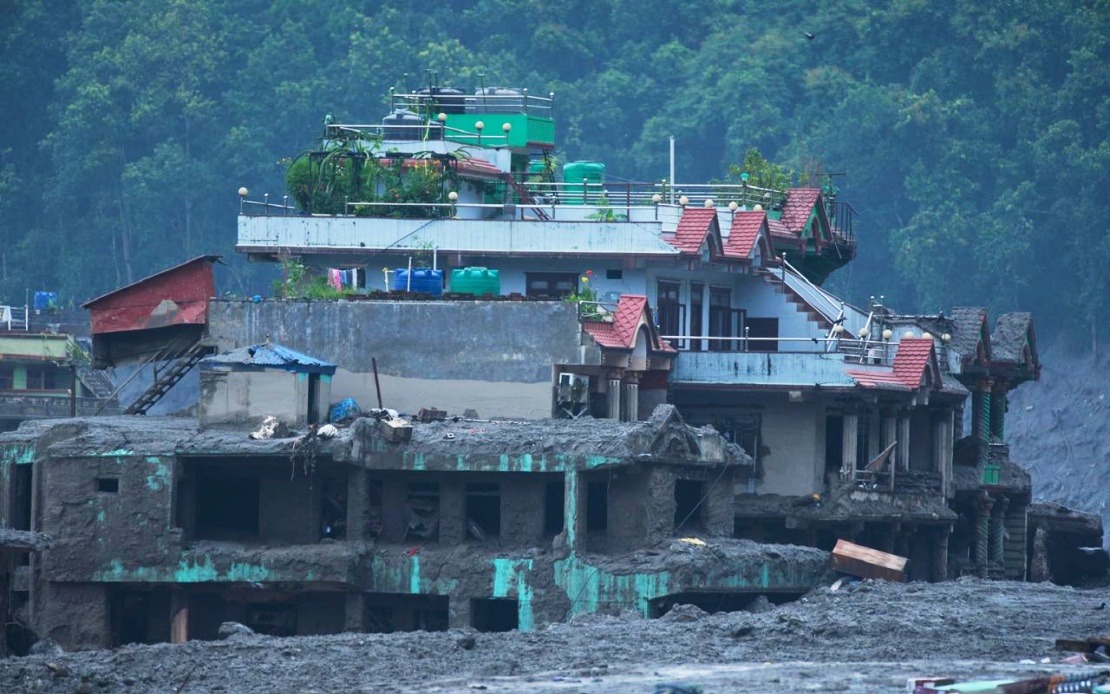
A major humanitarian crisis unfolding along the Nepal-China border has prompted Singapore to activate high-level diplomatic channels to assist its citizens caught in the disaster zone. Two Singaporeans are believed to be among 47 hikers who have gone missing following devastating flash floods that swept through northern Nepal, prompting urgent consular and rescue operations across the region.
Singapore's Prime Minister Lawrence Wong acknowledged the gravity of the situation through a public statement on Thursday, confirming that the Ministry of Foreign Affairs has established active communication with Nepali and Chinese authorities to provide support to affected citizens. The government is also maintaining close contact with the families of those missing, ensuring they receive regular updates and assistance during this anxious period. Wong's statement reflected the scale of concern in Singapore's capital, where such incidents affecting nationals abroad trigger immediate governmental response at the highest levels.
The international dimensions of this disaster underscore the interconnected nature of adventure tourism in the Himalayan region. The missing hikers represent a truly global group, with participants from Australia, Nepal, the United Kingdom, the United States, and Russia, in addition to the two Singaporeans. This composition highlights how the trekking industry in the Nepal-China border areas attracts adventurers from across the world, though it also exposes the inherent risks of traversing remote, geologically active mountain terrain during monsoon season.
The expedition was organised by Himalayan Glacier Adventures, a trekking company whose founder and chief executive Sagar Pandey has been cooperating with authorities in search and rescue coordination. The company's involvement underscores questions about safety protocols and weather forecasting in commercial mountaineering operations operating in the region. Flash flooding in Himalayan valleys, though not uncommon during the monsoon months, can strike with terrifying speed, leaving little time for evacuations or mitigation measures.
For Malaysia and Southeast Asian readers, this incident carries particular resonance given the region's substantial population of adventure tourism enthusiasts and the prevalence of similar risks throughout the Himalayan zone. Many Southeast Asians undertake trekking expeditions in Nepal and Tibet annually, making them vulnerable to the same environmental hazards that claimed lives in this disaster. The event serves as a stark reminder of the importance of comprehensive travel insurance, proper vetting of tour operators, and adherence to seasonal safety recommendations when pursuing mountain trekking activities.
Singapore's Ministry of Foreign Affairs has issued comprehensive travel advisories for nationals remaining in Nepal, urging them to exercise heightened caution and maintain strict vigilance in light of ongoing flood risks. The advisory specifically identifies five districts experiencing flooding impacts: Rasuwa, Nuwakot, Dhading, Gorkha, and Chitwan. Singaporeans have been instructed to avoid these areas entirely and to maintain distance from rivers, riverbanks, bridges, and natural waterways where flash flood dangers remain acute even days after initial flooding events.
The regional infrastructure damage extends beyond the immediate flood zone. Roads, transportation links, telecommunications systems, and essential services in affected areas have sustained significant disruption, creating cascading problems for rescue efforts and community recovery. These infrastructure failures commonly compound disaster response challenges in remote mountainous regions, where access routes are limited and backup systems may not exist. The advisory warns travellers to verify road conditions and weather forecasts before attempting any journeys, effectively restricting movement through large swathes of northern Nepal until conditions stabilise.
The bilateral coordination between Singapore, Nepal, and China demonstrates how humanitarian crises transcend political boundaries and require pragmatic cooperation between neighbouring nations and external powers with nationals at risk. Singapore's proactive engagement with Chinese authorities reflects Beijing's role in facilitating cross-border rescue operations, given that some missing persons may have been in proximity to Nepal-China border regions where coordinated search efforts require mutual agreement and operational planning.
For Southeast Asian governments and citizens, this incident underscores the vulnerability of adventure tourism to climate and geological hazards. As extreme weather events become more variable and unpredictable due to climate change, mountainous regions increasingly experience weather patterns that defy historical norms and traditional safety protocols. Tour operators and trekking companies across Nepal, Bhutan, and other Himalayan destinations must continually reassess their risk management frameworks in response to emerging environmental threats.
The human toll of this disaster extends beyond the missing hikers to encompass the broader communities in Nepal already experiencing the compounded stresses of poverty, infrastructure limitations, and recurring natural disasters. Flash floods represent a recurring phenomenon in Nepal's geography, particularly during monsoon season from June through September, yet each event strains governmental resources and humanitarian capacity. International coordination like Singapore's response helps distribute the burden of response and recovery across multiple nations with affected nationals.
Looking forward, this incident will likely prompt reviews within Singapore's travel advisory systems and may influence how Southeast Asian tour operators market and conduct Himalayan trekking expeditions. Insurance companies operating in the region may adjust coverage terms and require stricter verification of operator credentials. For individual adventurers from Malaysia and neighbouring countries, the message is unambiguous: pursue mountain trekking with eyes fully open to environmental risks, with comprehensive insurance protection, and with absolute respect for seasonal weather patterns and official travel warnings.

