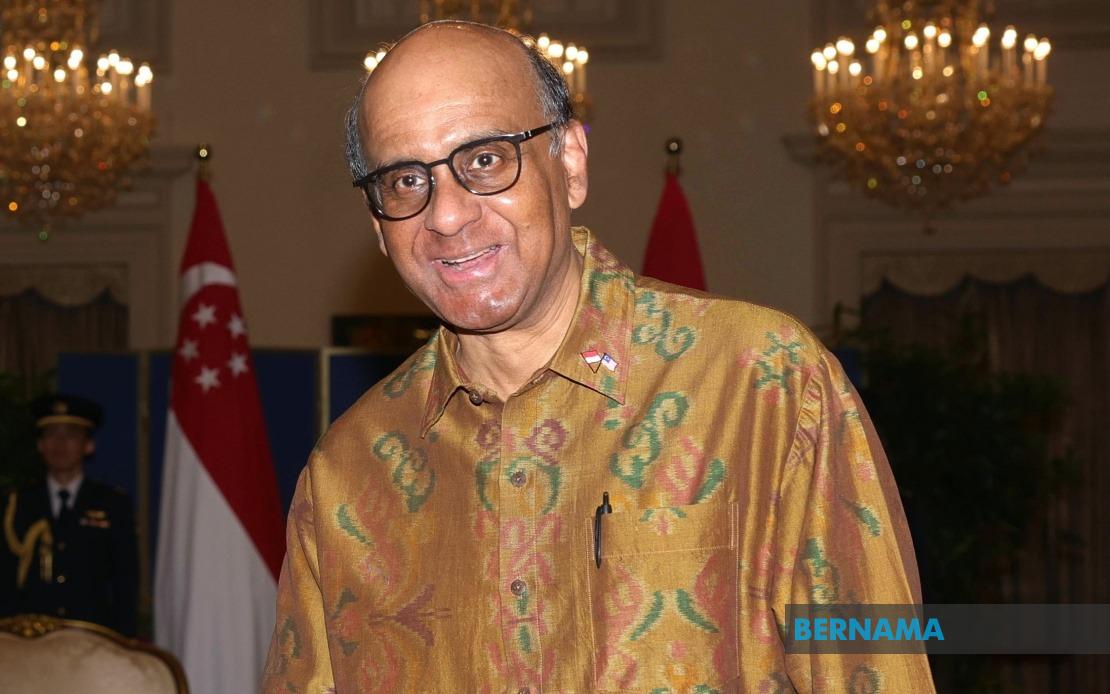
Singapore President Tharman Shanmugaratnam is set to arrive in Malaysia on July 13 for a three-day state visit at the formal invitation of His Majesty Sultan Ibrahim, King of Malaysia. The visit will conclude on July 15, marking a significant diplomatic engagement between the two neighbouring nations and cementing their longstanding bilateral relationship through high-level protocol and ceremonial observances.
This represents the first state visit undertaken by Tharman since he assumed the presidency of Singapore on September 14, 2023, making it a milestone occasion for the ninth President of Singapore. The visit carries particular symbolism as it directly reciprocates His Majesty Sultan Ibrahim's own state visit to Singapore in May 2024, demonstrating the mutual commitment both nations maintain towards strengthening diplomatic ties and regular high-level exchange.
The Malaysian Foreign Ministry characterised the visit as a reflection of the enduring partnership between Kuala Lumpur and Singapore, emphasising how it underscores deepening cooperation across multiple sectors of mutual benefit. According to official statements, the engagement reflects a shared vision for regional stability and economic prosperity, with both countries viewing their bilateral relationship as foundational to broader Southeast Asian development.
Tharman will be accompanied by his spouse, Jane Ittogi Shanmugaratnam, along with a delegation comprising several ministers and senior government officials. This composition signals the high-level importance accorded to the mission, with Singapore deploying significant diplomatic resources to engage across multiple policy domains during the three-day period.
The presidential itinerary includes a formal State Welcoming Ceremony upon arrival, followed by an official audience with His Majesty at Istana Negara, Malaysia's principal royal residence. The schedule culminates in a State Banquet held in Tharman's honour, a traditional diplomatic protocol that underscores the ceremonial weight both nations attach to the engagement. Additionally, Prime Minister Datuk Seri Anwar Ibrahim is scheduled to receive the Singapore President in a formal courtesy call, enabling discussion of bilateral and regional matters at the executive level.
The economic relationship between Malaysia and Singapore remains extraordinarily robust and multifaceted. Singapore currently ranks as Malaysia's second-largest trading partner globally, while simultaneously serving as Malaysia's most significant trading partner among ASEAN member states. This dual prominence reflects the depth of commercial integration achieved between the two economies over decades of cooperation.
Bilateral trade figures underscore the commercial significance of this relationship. In 2025, total bilateral trade reached RM402.35 billion, equivalent to approximately US$93.97 billion, registering a year-on-year growth of 1.5 per cent. The trajectory has accelerated notably in 2026, with figures from January to May revealing total bilateral trade of RM189.90 billion (US$47.87 billion), representing substantial growth of 14.5 per cent compared with the corresponding five-month period in 2025, which had recorded RM165.93 billion (US$37.65 billion).
These trade metrics reveal an increasingly dynamic commercial engagement, suggesting that recent policy initiatives or sectoral developments have enhanced bilateral commerce. For Malaysian policymakers and businesses, the strengthening trade performance indicates growing market opportunities within Singapore's economy, particularly in services, technology, and manufacturing sectors where both nations have complementary comparative advantages.
The state visit carries broader implications for ASEAN regional diplomacy and the Malaysia-Singapore strategic partnership within the wider Southeast Asian context. As two of ASEAN's most economically developed and diplomatically influential members, Malaysia and Singapore's demonstrated commitment to bilateral cooperation sends important signals about regional cohesion and the centrality of bilateral relationships within the ASEAN framework.
For Malaysian readers, the visit represents more than ceremonial protocol; it reflects ongoing efforts to deepen integration with Singapore across trade, investment, infrastructure, and people-to-people exchanges. The robust trade growth evident in recent data suggests that economic cooperation continues to expand despite global economic uncertainties, providing Malaysian exporters and investors with sustained opportunities within Singapore's sophisticated markets.
The visit also occurs within a broader context of regional geopolitical complexity, where stable, prosperous bilateral relationships between ASEAN members contribute to broader regional stability and economic resilience. Singapore's positioning as a crucial financial and trading hub, combined with Malaysia's role as a significant regional economy with substantial natural resources and manufacturing capabilities, means their cooperation directly influences ASEAN's collective economic performance and diplomatic standing.
As the state visit proceeds, observers will assess not only the ceremonial aspects but also any substantive announcements regarding new bilateral initiatives, sectoral cooperation frameworks, or collaborative ventures announced during the high-level discussions. The trajectory of Malaysia-Singapore relations during this visit may provide indicators of how both nations intend to navigate emerging economic challenges and opportunities in the coming period.

