Singapore shipping magnate Teo Siong Seng, chief executive of Singamas Container Holdings, has been named alongside other container industry executives in two separate civil lawsuits filed in California's federal district court. The legal action, filed in early June by American manufacturing and transportation firms, represents a significant escalation in the alleged container cartel scandal that has already drawn criminal charges from the US Department of Justice. The civil cases open a distinct avenue for private American businesses to seek financial compensation for losses they claim to have sustained through the alleged price-fixing conspiracy.
The two class-action lawsuits, initiated by manufacturing company C.A. Spalding Company and transportation firm Daybreak Express, pursue damages for economic harm allegedly inflicted over several years through coordinated pricing behaviour in the global shipping container market. These civil actions operate independently from the criminal indictment filed in January and unsealed in May, creating parallel legal proceedings that could result in substantial financial penalties for the defendants. The plaintiffs are explicitly seeking treble damages—a legal remedy allowing courts to award three times the actual losses—which could multiply the financial exposure for the named individuals and corporations considerably.
Investigators allege that executives from five major container manufacturers orchestrated an elaborate scheme to artificially constrain supply and inflate prices. The cartel members allegedly controlled approximately 95 per cent of global production of standard dry shipping containers, granting them extraordinary market influence. The criminal indictment specifically identifies China International Marine Containers (CIMC), Shanghai Universal Logistics Equipment, CXIC Group Containers, and Singamas Container Holdings as core participants, along with two unnamed manufacturers whose identities remain undisclosed in public filings.
The mechanism of the alleged conspiracy reveals striking sophistication in enforcement. According to court documents, cartel members coordinated production restrictions by limiting the number of shifts and operational hours across container production lines. To ensure compliance and prevent individual companies from cheating the agreement through secret overproduction, the conspirators installed 87 video surveillance cameras across 49 production lines situated at their factories throughout Asia. This monitoring infrastructure underscores the premeditated nature of the alleged coordination and the determination to maintain discipline within the cartel structure.
The financial consequences for shippers proved dramatic. Between 2019 and 2021, the price of a standard 20-foot shipping container more than doubled, climbing from approximately US$1,600 to US$3,500. This surge occurred during a period when global supply chain disruptions and increased shipping demand might have justified some price increases, but prosecutors argue the magnitude reflected artificial constraints rather than legitimate market dynamics. For regional shipping companies and manufacturers dependent on container transport—a category encompassing numerous Malaysian businesses—these price escalations significantly eroded profit margins and increased operating costs.
The cartel members reaped substantial benefits from the elevated pricing. CIMC's container manufacturing division saw profits skyrocket from roughly 137 million yuan in 2019 to 1.99 billion yuan in 2020, then surging further to 11.3 billion yuan in 2021—a staggering increase that prosecutors argue demonstrates the artificial nature of the price inflation. Singamas experienced an even more dramatic reversal, transforming from a loss of approximately US$110 million in 2019 into profitability with net income reaching roughly US$186.8 million by 2021. These financial trajectories, prosecutors contend, could not have occurred absent coordinated supply restriction.
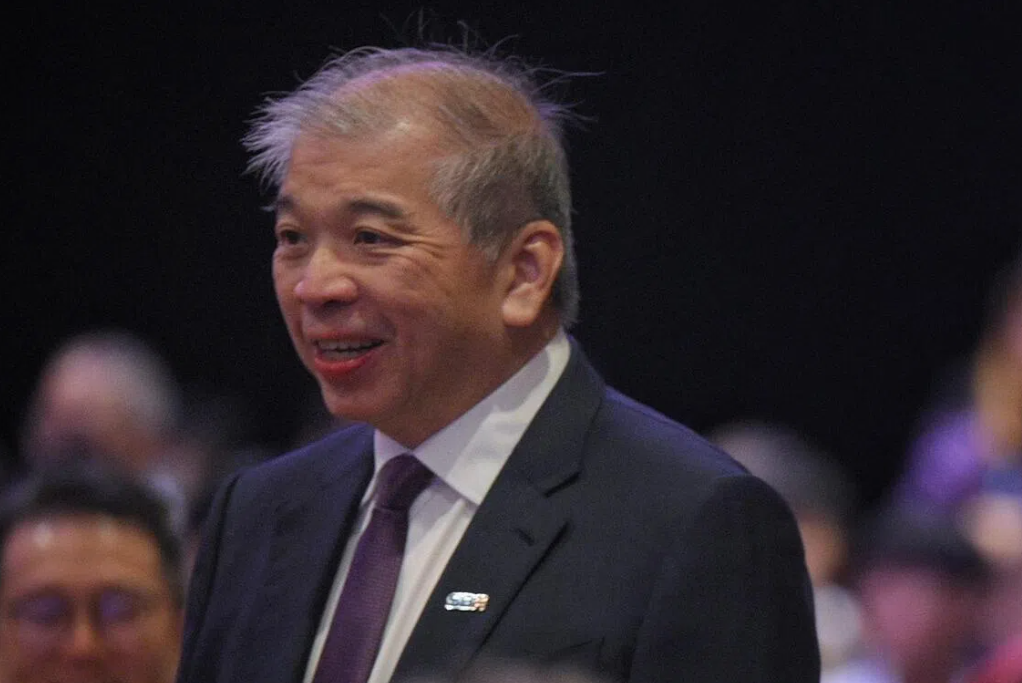
Teo, a 71-year-old Singaporean businessman, has become the public face of the scandal within the region due to his prominence in Singapore's business establishment. Since his naming in the US indictment, he has stepped back from multiple leadership roles, including his position as executive chairman of Pacific International Lines, a major regional shipping company. He has also taken leave from his chairmanship of the Singapore Business Federation, where he had just been elected in May after previously leading the chamber from 2014 to 2020. Additionally, he has suspended his involvement with Enterprise Singapore, the Singapore Economic Resilience Taskforce, and his pro-chancellor position at the National University of Singapore.
Teo's rapid withdrawal from public roles reflects the reputational damage accompanying the allegations. His term as SBF chairman was notably brief, lasting less than a month before his decision not to seek re-election upon the conclusion of his initial mandate on June 24. The timing proved particularly awkward, as he had assumed the chairmanship following the unexpected early departure of his predecessor, Lim Ming Yan, who stepped down to focus on his appointment as chairman of Changi Airport Group. This personnel disruption in Singapore's apex business chamber underscores the cascading consequences of the cartel investigation for regional business leadership.
Among the five executives specifically identified in the legal filings, Teo stands alongside four Chinese nationals: Mai Boliang, former CIMC president and chief executive who became chairman in August 2020; Huang Tianhua, CIMC's vice-president; Wan Yongbo, general manager of CIMC's Operation Management Centre; Li Qianmin, general manager of Shanghai Universal Logistics Equipment; and Zhang Yuqiang, chief executive of CXIC Group Containers. The civil lawsuits additionally name Vick Ma, a Singamas marketing director currently facing extradition proceedings after his April arrest in France. The geographic distribution of the accused—spanning Singapore, China, and now France—demonstrates the international scope of the alleged conspiracy and the coordinated enforcement efforts among multiple jurisdictions.
Legal proceedings are advancing rapidly. Court records indicate that summonses were issued on June 8 and 11, requiring defendants to formally respond within 21 days or face default judgments. Teo declined to comment when contacted about the civil lawsuits, maintaining silence consistent with legal advice typically provided to defendants facing simultaneous criminal and civil actions. His single public statement, released on May 28, offered a carefully measured explanation for his leave of absence, citing his need to attend to the matter and his concern for the organisations involved. This restrained approach reflects the precarious position of defendants navigating multiple jurisdictions with different legal standards and political considerations.
For Southeast Asian shipping companies and manufacturers reliant on containerised transport, the broader implications extend beyond the immediate defendants. The investigation has exposed vulnerabilities in supply chain governance and raises questions about price transparency in a market previously assumed to operate competitively. The potential for treble damages awards could reshape industry economics, as defendants may be forced to compensate not merely for overcharges but for three times that amount. Malaysian businesses, like their counterparts throughout the region, face the prospect of complex decisions regarding potential participation in class actions or related damage claims, adding another layer of complexity to post-pandemic supply chain stabilisation efforts.