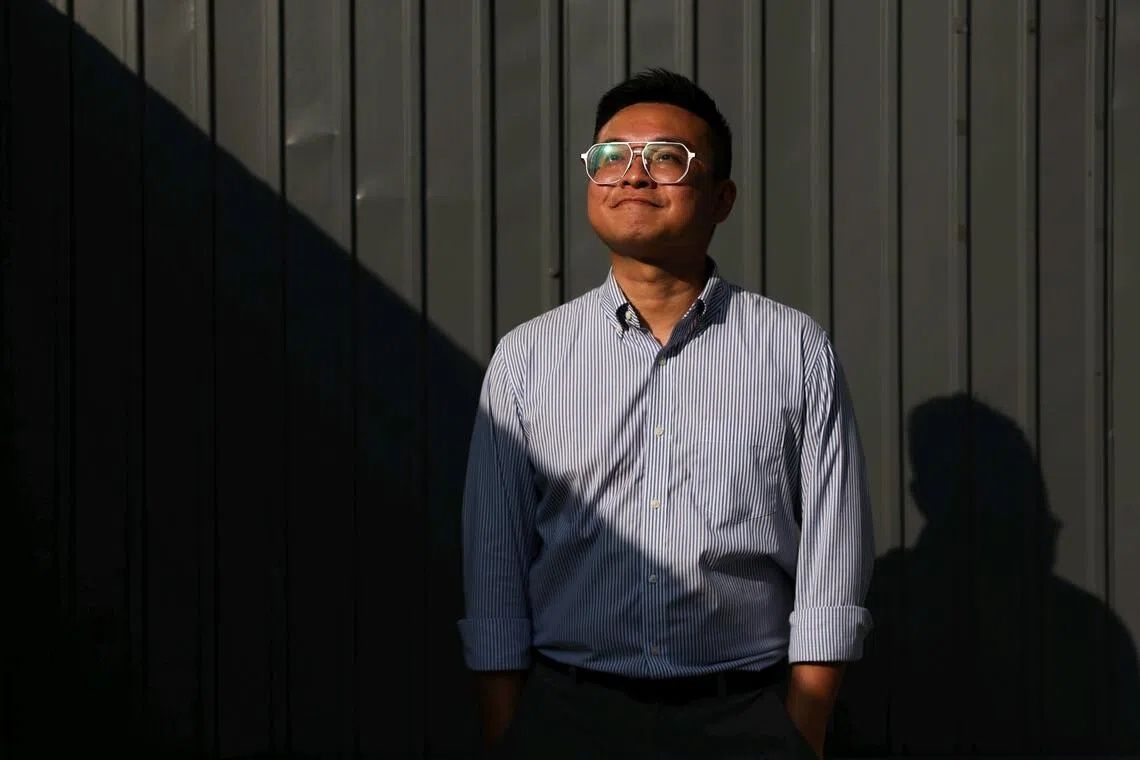
A thriving marketing career masked a crippling methamphetamine habit for Cornelyus Tan until his arrest in 2022 forced him to confront the contradiction between his outward success and inner struggle. When Tan was detained at Changi Prison's Drug Rehabilitation Centre for six months, he discovered he was far from alone in this predicament. The facility housed teachers, lawyers, bankers and other white-collar professionals grappling with the same chemical dependency, despite their credentials and accomplishments on paper. Now 37, Tan has begun speaking publicly about his experience, crystallising a broader phenomenon that challenges long-held assumptions about who falls victim to addiction.
The numbers paint a striking picture of transformation in Singapore's drug offender demographics. The Prison Service reported that 293 inmates with tertiary qualifications or higher were housed in the Drug Rehabilitation Centre in 2025, nearly a fifty per cent increase from 204 recorded just four years earlier in 2021. This cohort now represents approximately one in ten newly admitted inmates, compared to just 8.8 per cent in 2021. Their educational backgrounds span a wide spectrum, from polytechnic diplomas through to doctoral degrees, suggesting the problem permeates multiple levels of professional achievement.
Official authorities acknowledge that this upward trajectory aligns partly with Singapore's broader educational advancement. The Central Narcotics Bureau notes that the proportion of residents aged 25 and above holding at least tertiary qualifications has climbed substantially over the past decade, from 42.9 per cent to 54.5 per cent. By this metric, the growth in educated drug offenders might simply reflect demographic shifts. However, the CNB conceded that tertiary-qualified individuals remain statistically under-represented within the rehabilitation centre population relative to their share of the general population, suggesting something more specific is driving those who do fall into addiction.
Yet the trajectory has provoked genuine concern, particularly when high-profile cases emerge—such as the recent conviction of a medical doctor for drug use—that shatter the assumption that professional standing and income inherently protect against substance abuse. Counsellors and social workers who interact daily with drug offenders across Singapore's socioeconomic spectrum argue convincingly that addiction respects no educational boundary. Gopal Mahey, a senior counsellor at the Centre for Psychotherapy, emphasises that drug dependency cuts across all demographics, a reality increasingly evident as the country grapples with evolving patterns of use.
The accessibility revolution has fundamentally reshaped the landscape in which drug markets operate. Technology, particularly social media platforms and encrypted messaging services, has eliminated the traditional gatekeepers that once restricted drug availability to those with pre-existing family or neighbourhood connections to suppliers. Tham Yuen Han, executive director at We Care Community Services, highlights how Telegram channels and similar platforms now deliver drugs directly to potential consumers, bypassing the personal networks that previously limited exposure to particular communities. A young professional from a privileged background no longer requires an introduction from a neighbourhood dealer or addicted relative; a few clicks now suffice.
Beyond mere accessibility, broader cultural forces amplify vulnerability among educated professionals. Online influencers and entertainers have contributed to shifting perceptions around drug use, sometimes glamorising consumption or minimising genuine dangers through their platforms. Exposure to more permissive drug attitudes encountered during overseas travel or study further normalises substances for this demographic. Peer influence within professional networks and social circles creates additional pressure, transforming recreational experimentation into habitual use. These forces operate distinctly within privileged circles, shaping attitudes among those who might otherwise assume themselves insulated from addiction through education and status.
Tan's trajectory illustrates how substances can initially appear as solutions rather than problems to accomplished individuals managing demanding lives. Introduced to methamphetamine at a house party in 2014 while still an arts college undergraduate, Tan experienced what he describes as a "Superman effect"—an adrenaline rush that sharpened his creative thinking and boosted professional output. When a news outlet profiled him in 2015 as a promising young photographer, his drug use remained invisible to employers and peers. The stimulant seemed to deliver tangible benefits: improved productivity, enhanced stress management, and social integration through shared use with peers.
Methamphetamine, commonly known as Ice, has emerged as the preferred drug among tertiary-educated offenders, alongside cannabis, Ecstasy and heroin. The appeal of synthetic drugs to this cohort likely reflects their availability through digital channels and their perceived utility for maintaining high-performance lifestyles. For years, Tan managed his addiction through cycles of use and abstinence, quitting temporarily when physical deterioration became undeniable—weight loss and excessive perspiration eventually forced recognition of harm. However, in 2020, mounting stress during his role as a regional marketing manager in an e-commerce firm triggered relapse, the internal voice returning with promises of chemical relief.
Psychological barriers unique to educated professionals further complicate their descent into dependency. Samuel Chua, principal counsellor at the Institute of Mental Health's National Addictions Management Service, observes that well-educated individuals often struggle equally with the core drivers of addiction—pain avoidance and emotional distress—yet face heightened psychological resistance to admitting the problem. The confidence and capability that education cultivates creates a dangerous illusion of controllability; many believe their intelligence and discipline will allow them to manage substance use without spiralling into full addiction. This cognitive bias delays intervention and honest self-assessment, permitting addiction to deepen under a veneer of professional functionality.
Tan's constructed facade exemplifies this pattern. He developed strategies to appear functional during crashes following drug-induced highs, ceasing use for weeks at a time until emotional stability returned, then resuming the cycle. A junior college teacher using the pseudonym John similarly concealed his methamphetamine dependency for approximately six months while continuing classroom instruction after his introduction to the drug at a social gathering. When his absences and deteriorating performance attracted attention from his reporting officer, he fabricated explanations rather than seeking help, allowing chemical dependency to damage both his health and his professional credibility until crisis forced intervention.
The recognition that addiction transcends educational and economic boundaries carries profound implications for treatment and prevention policy across Singapore and the broader Southeast Asian region. Traditional approaches emphasising deterrence and punishment may require supplementation with psychological interventions acknowledging that accomplished individuals experiencing addiction often carry distinct shame, fear of social stigma, and resistance to help-seeking. The digital accessibility of drugs demands parallel innovation in detection and prevention strategies targeting online platforms. Beyond Singapore's borders, Malaysia and other neighbouring economies should heed these warning signs as globalised drug markets, social media influence and online access expand uniformly across the region, likely generating similar demographic shifts among drug offenders.
Tan's public disclosure of his journey through arrest, rehabilitation, and recovery represents a critical step toward destigmatisation. His assertion that "on paper, we look well... we are all very successful. But at the core of it, we had a common problem – the heart" encapsulates a fundamental truth that education and achievement cannot insulate individuals from the human vulnerabilities that drive addiction. As Singapore confronts this evolving challenge among its most educated citizens, the emphasis must shift from moral judgement toward understanding how accomplished people arrive at chemical dependency, and designing interventions that acknowledge both their distinctive barriers to recovery and their capacity for rehabilitation. The data demands attention; the stories demand compassion.

