Prime Minister Lawrence Wong has extended formal condolences to Indonesia's President Prabowo Subianto following a powerful earthquake that struck off the coast of Flores in eastern Indonesia on August 15, killing dozens of people and causing extensive structural damage across the region. The expression of sympathy was conveyed through diplomatic channels and publicly announced via social media, underscoring Singapore's commitment to maintaining close ties with its nearest major neighbour during periods of crisis.
The 7.7-magnitude earthquake that devastated Flores proved to be one of Indonesia's most destructive seismic events in recent months. According to preliminary assessments from Indonesian authorities released on August 16, the initial tremor claimed more than 50 lives, with at least 135 people sustaining injuries of varying severity. The destructive force of the earthquake damaged hundreds of residential buildings and infrastructure facilities across the affected areas, rendering many structures uninhabitable in the immediate aftermath.
The disaster triggered a secondary earthquake of 6.1 magnitude off the coast of northern Sumatra just hours after the initial quake, though this subsequent tremor had not resulted in reported casualties at the time of initial reporting. The dual seismic events within a short timeframe created additional strain on Indonesia's emergency response systems and raised concerns about the potential for further significant aftershock activity in both regions.
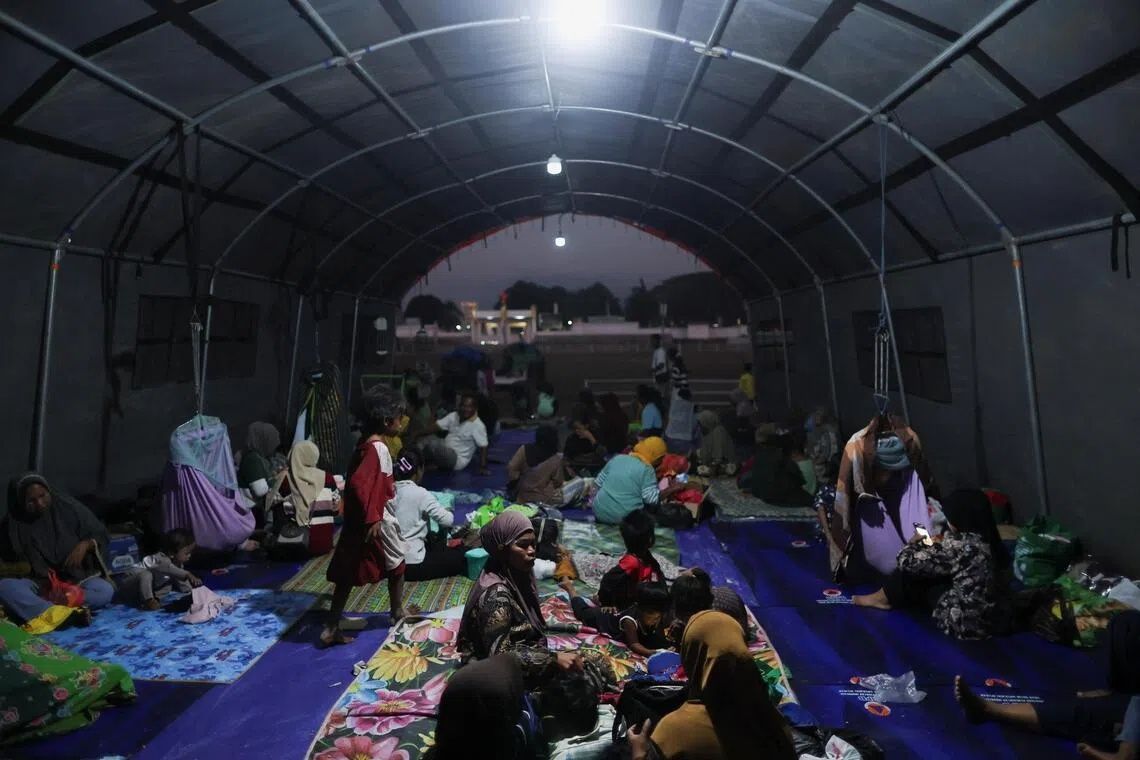
The human toll was compounded by the scale of displacement triggered by the disaster. Approximately 5,000 residents fled their homes as the earthquake struck early on August 15, seeking safer ground and emergency shelter. The intensity and frequency of aftershock activity further complicated the situation, with nearly 1,000 aftershocks recorded in the hours immediately following the primary tremor. This sustained seismic activity prevented many residents from returning to their homes and heightened anxiety among survivors still processing the initial impact.
In his public statement released on August 16, PM Wong articulated Singapore's solidarity with the Indonesian people during the challenging period. He expressed profound sadness at the loss of life and the widespread devastation inflicted by the earthquakes, positioning Singapore's response within the framework of regional brotherhood and mutual support. The Prime Minister's message specifically acknowledged both the victims and their families, extending the government's sympathies to all those affected by the disaster in its various dimensions.
Beyond conventional expressions of condolence, PM Wong's statement emphasized the practical dimensions of the relief effort. He highlighted the critical work being undertaken by Indonesian authorities and emergency personnel engaged in search and rescue operations, relief distribution, and recovery coordination. The acknowledgment of these frontline workers reflected Singapore's understanding that earthquake response requires sustained, coordinated effort from multiple agencies working under challenging conditions.
On the ground, rescue officials painted an urgent picture of unmet humanitarian needs. As of August 16, survivors were facing critical shortages across multiple essential categories. Emergency tents were required to house the displaced population, while food supplies were inadequate for the scale of displacement. Medical supplies and medicines were urgently needed to treat the injured, particularly in areas where healthcare facilities had been compromised by structural damage. Access to clean drinking water emerged as a critical concern given the potential for contamination and disease outbreak in crowded displacement camps. Electrical generators became essential infrastructure for operating emergency services, communication systems, and providing basic lighting to displacement areas.
The Flores earthquake carries particular significance for Southeast Asian regional dynamics. As an archipelagic nation vulnerable to frequent seismic activity, Indonesia faces recurring disaster challenges that test governmental capacity and international cooperation mechanisms. Singapore's prompt official response reflects the island nation's interest in maintaining strong bilateral relations and demonstrating readiness to support a major regional partner during crises. Such expressions of solidarity, while sometimes viewed as ceremonial, carry weight in diplomatic relationships and can facilitate coordination of humanitarian assistance.
The disaster also highlights the vulnerability of Southeast Asia's island populations to natural hazards. Flores, situated within the Pacific Ring of Fire, remains one of Indonesia's most seismically active regions. The frequency of significant earthquakes in the area means that communities face recurring reconstruction challenges, straining local resources and requiring sustained international attention. For Malaysian policymakers and regional observers, the Flores earthquake serves as a reminder of the shared vulnerability to natural disasters that characterizes the broader Southeast Asian region and the importance of maintaining robust disaster preparedness and response mechanisms.
The coordination of international humanitarian response will likely emerge as a critical factor in determining the speed and effectiveness of reconstruction efforts. Singapore's willingness to acknowledge the crisis and potentially facilitate assistance demonstrates how smaller regional powers can support neighbours during emergencies. The extent to which international aid flows will depend partly on the clarity of Indonesia's damage assessments and its identification of specific resource gaps, areas where diplomatic communication channels established through expressions like PM Wong's condolence message become practically valuable.
As Indonesia's authorities continue assessing the full extent of damage and coordinating relief operations, the focus will shift from initial rescue efforts toward medium-term recovery and rehabilitation of affected communities. The nearly 1,000 aftershocks recorded indicate that seismic activity in the region will likely persist for weeks, requiring sustained vigilance from authorities and continued support for displaced populations. For a country already managing multiple disaster risks and development priorities, the Flores earthquake represents a significant setback that will demand substantial resources and sustained international cooperation to overcome.

